


“Self-Driving Cars Now Talk To Each Other”: Vehicles Share Road Data Instantly While Decentralized Network Replaces Central Computer Systems Forever
 By
Avi Cohen
By
Avi Cohen
| IN A NUTSHELL |
|
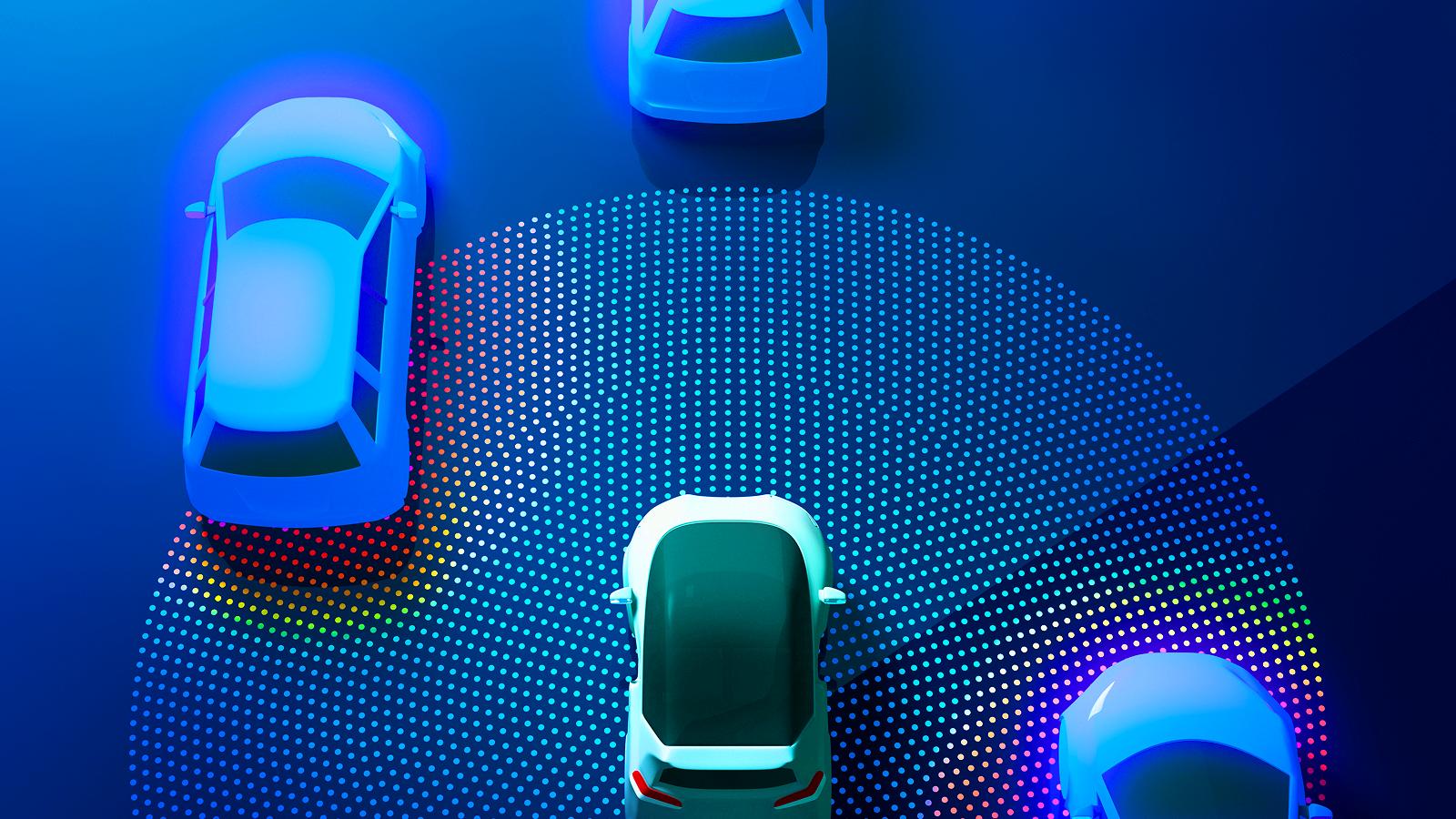
In the rapidly evolving landscape of self-driving technology, researchers have introduced a groundbreaking framework called “Cached Decentralized Federated Learning” (Cached-DFL). This innovative approach allows autonomous vehicles to share critical information without establishing direct connections, thereby enhancing their ability to navigate diverse road conditions. By creating a quasi-social network among vehicles, Cached-DFL facilitates real-time data exchange while safeguarding driver privacy. The implications of this development could revolutionize how self-driving cars operate, making them more efficient and safer on the roads.
The Concept of Cached-DFL
Cached-DFL represents a novel approach in the realm of autonomous vehicle technology. Unlike traditional systems that rely on centralized data storage, this framework allows cars to store and share information locally. Each vehicle acts as a node in a decentralized network, carrying trained AI models that house data on road conditions, traffic patterns, and navigation challenges. This system ensures that information is readily available to nearby vehicles, creating a dynamic network of shared experiences.
In practical terms, a car navigating the busy streets of Manhattan can learn from the experiences of another vehicle that has encountered similar conditions in Brooklyn. This exchange of information occurs without the need for vehicles to be physically adjacent or connected, making the process seamless and efficient. By leveraging this decentralized model, autonomous vehicles can make informed decisions based on a broad spectrum of real-world driving scenarios.
Advantages of Decentralized Learning
The shift towards decentralized learning offers several advantages. One of the most significant benefits is the enhanced scalability of the system. As Dr. Jie Xu from the University of Florida explains, "Scalability is one of the key advantages of decentralized FL. Instead of every car communicating with a central server or all other cars, each vehicle only exchanges model updates with those it encounters." This localized sharing approach reduces communication overhead and prevents network congestion.
Moreover, the decentralized model reduces the reliance on powerful central servers, thereby lowering the computing power required for autonomous vehicles. This not only makes the technology more affordable but also enhances real-time decision-making. By distributing the processing load across multiple vehicles, Cached-DFL ensures that data is processed closer to where it is collected, facilitating rapid response times crucial for safety-critical applications.
Real-World Testing and Future Prospects
While the potential of Cached-DFL is immense, the next phase involves real-world testing and implementation. Researchers are focused on overcoming technical barriers that exist between different brands of self-driving vehicles. Ensuring interoperability is key to achieving a cohesive network where vehicles can communicate regardless of their manufacturer.
Additionally, the team aims to integrate vehicle-to-everything (V2X) communication standards, which would enable cars to interact with other connected devices such as traffic lights, road signs, and satellites. This broader connectivity could pave the way for a more intelligent transportation ecosystem, where data flows seamlessly between all elements involved in traffic management.
Challenges and Considerations
Despite its promising potential, the implementation of Cached-DFL is not without challenges. Ensuring the security and privacy of data exchanged between vehicles is paramount. As Javed Khan from Aptiv highlights, "Decentralized federated learning offers a vital approach to collaborative learning without compromising user privacy." Maintaining this balance will be crucial as the technology becomes more widespread.
Moreover, achieving a broad adoption of this framework across the industry will require collaboration among automakers, technology providers, and regulatory bodies. Establishing common standards and protocols will be essential to ensure compatibility and seamless operation across different platforms. The success of Cached-DFL will depend on the willingness of stakeholders to work together towards a shared vision of autonomous driving.
The introduction of Cached-DFL marks a significant step forward in the evolution of self-driving technology. By enabling autonomous vehicles to share information in a decentralized manner, this framework holds the potential to make roads safer and more efficient. However, the journey towards widespread adoption presents challenges that require collaboration and innovation. As we look to the future, how will the integration of decentralized learning shape the landscape of autonomous transportation?
Continue reading