

Tips for customizing your car on a budget
 By
Ethan Kowalczyk
By
Ethan Kowalczyk
|
IN A NUTSHELL |
|
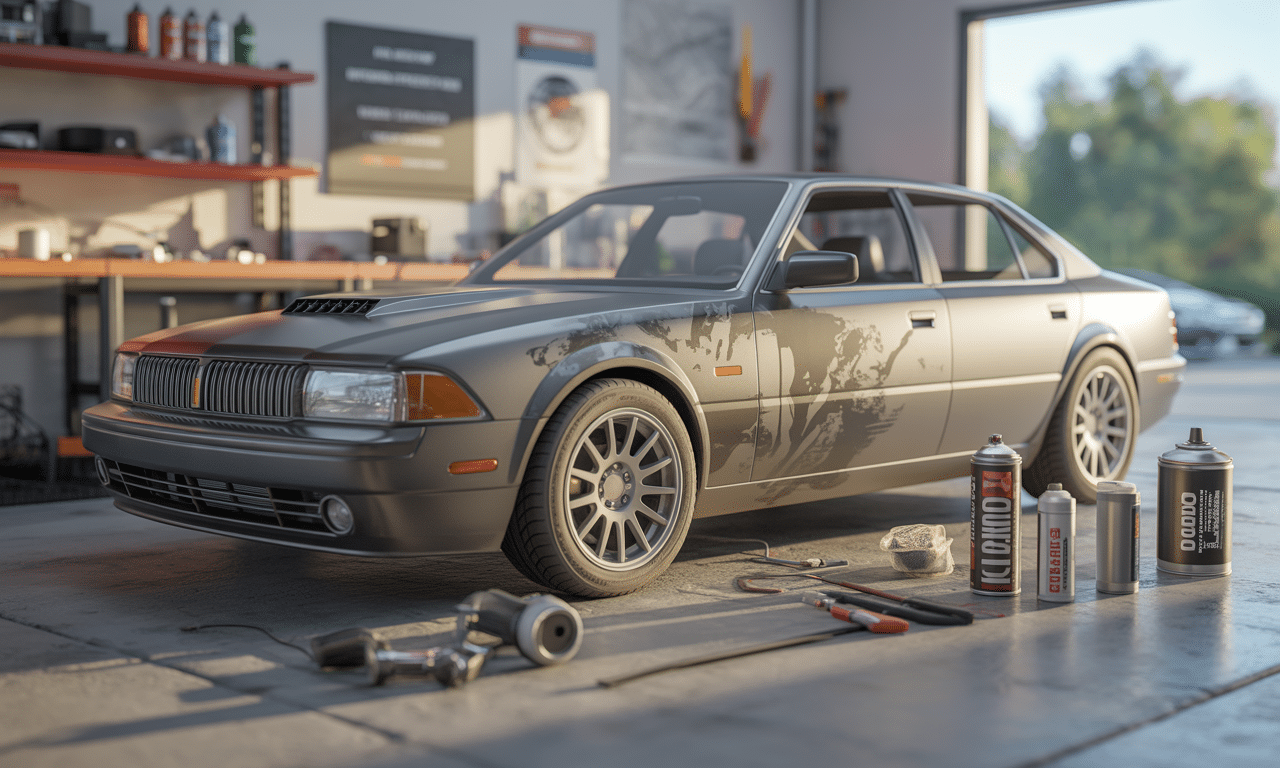
Customizing a vehicle need not be the preserve of wealthy enthusiasts; with planning and restraint, anyone can customize your car without draining the bank account. The key is to reject the notion that every upgrade must be expensive and instead focus on high-impact, low-cost changes that improve both aesthetics and performance. Thoughtful choices (from simple interior swaps to modest exterior accents) deliver visible results and can preserve resale value when done sensibly.
A practical strategy emphasizes a handful of targeted moves: affordable interior upgrades like seat covers and LED accents, tasteful exterior tweaks such as partial vinyl wrap or a replacement grille, and accessible DIY performance items like a better air filter or upgraded spark plugs. Pair these with diligent research, buying used or off-brand where appropriate, and investing in basic tools to avoid labour costs. These principles challenge the assumption that customization requires overspending and instead argue for smart, incremental transformation that respects both style and budget.
Prioritize small, high-impact modifications
Customizing on a budget is not about avoiding change, it’s about choosing modifications that maximize visual and practical return for minimal cost. Rather than chasing a full body kit or an expensive paint job, prioritize upgrades that immediately alter how your car looks and feels. Items like window tinting, seat covers, and LED lighting shift perception at a fraction of the cost of major bodywork. These choices are not merely cosmetic; they alter the car’s character and daily experience.
Small changes compound: a well-chosen set of interior LEDs plus a fresh steering wheel cover can make a decade-old cabin feel contemporary. Window tinting improves privacy and reduces glare, while seat covers can transform worn upholstery without the expense of reupholstery. LED kits for footwells or dash accents cost little but draw attention, and custom floor mats ground the interior visually while protecting resale value.
This approach is backed by practical sources that list inexpensive, high-impact options and explain effective installation tactics. For a roundup of simple personalization ideas that won’t drain your account, see resources like this guide. The point is to be strategic: pick items that are reversible, easy to install, and visibly transformative. By doing so you preserve the car’s base value and avoid expensive mistakes while still creating a distinct, personal result.
Arguing for selectivity over excess is not stinginess, it is efficiency. If you must spend, spend where the eye goes first: cabin, front fascia, and wheels. Choose variations that are modular (so you can upgrade later), and look into DIY installation tutorials or community advice to shave labour costs. The result is a car that feels uniquely yours without an oversized bill.
Use DIY mods to boost performance
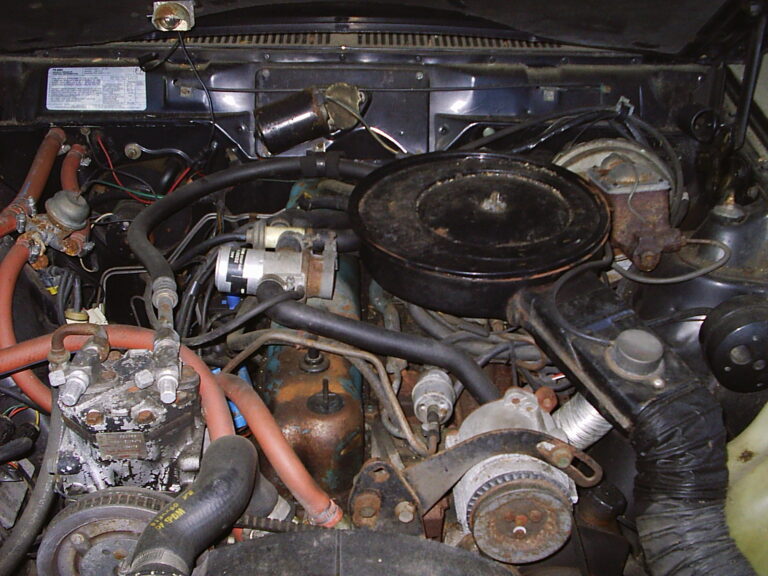
Pursuing measurable performance gains on a tight budget requires a pragmatic, hands-on mindset. Rather than chasing headline-grabbing horsepower numbers from costly turbo kits, prioritize simple bolt-on upgrades that improve throttle response, efficiency, and the driving sensation. A well-selected performance air filter, upgraded spark plugs, and a basic cold air intake are classic examples: relatively inexpensive, easy to install, and they provide tangible improvements when combined with routine tuning.
DIY performance work is less about raw power and more about extracting greater consistency and responsiveness from the car you already own. These projects are ideal entry points for owners with basic tools and a willingness to learn. An aftermarket air filter can sharpen throttle feel and marginally increase fuel efficiency; spark plugs improve combustion quality, and a correctly installed cold air intake can reduce intake air temperature, all yield a more engaged driving experience.
Before you buy, consult step-by-step guides and community forums to avoid incompatible parts and wasted expense. Sites that list affordable modification ideas such as this checklist provide realistic options and installation pointers. Always balance claimed gains with reliability: an aggressive cam or poorly matched tune can cost far more in repairs than it gains in performance.
Be willing to test incrementally. Add one mod at a time, validate results, and keep receipts and documentation. This discipline reduces the risk of needless expenditure and ensures that your upgrades work in concert. If you lack confidence, seek a single-hour consultation from a trusted mechanic, that small investment can prevent a costly mistake.
Apply cost-effective exterior changes
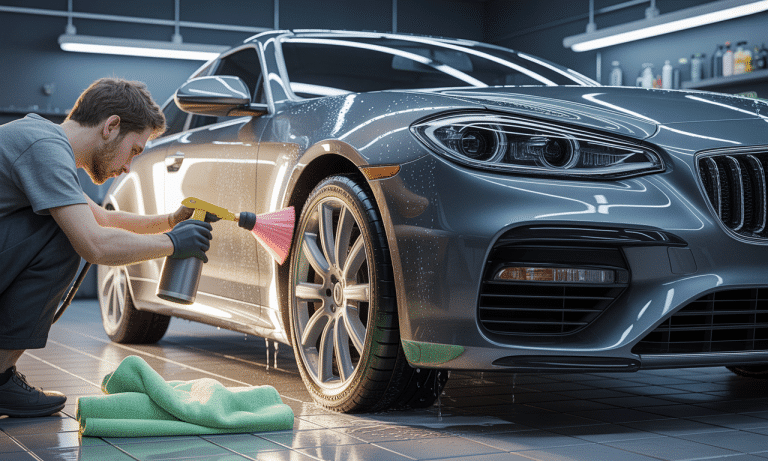
Exterior upgrades create the strongest first impression, so it makes sense to allocate budget where the eye naturally goes. However, expensive full resprays and bespoke carbon pieces are not the only routes to a standout look. Vinyl wraps offer a flexible, lower-cost alternative to repainting, letting you change colour or add accents without permanent alteration. Partial wraps like a roof or hood treatment can achieve a luxury or sport aesthetic at a fraction of a full wrap’s cost.
Targeted exterior changes are strategic: a new grille, custom emblems, and refreshed wheels reshape the car’s personality more than a scattergun approach. Aftermarket grilles are affordable and often bolt directly into existing mounts, delivering an aggressive or refined face without cutting or welding. Swapping badges or adding tasteful decals is inexpensive and reversible, allowing personalization without harming resale appeal. For wheel updates, consider used alloy rims, quality hubcaps, or a DIY paint/refresh of the originals to avoid the premium of brand-new aftermarket sets.
To illustrate choices and average costs, use a compact reference table below that helps prioritize spend according to visual impact and budget. For deeper reading about low-cost customization techniques, resources like this guide and this blog explain trade-offs between wraps, paint, and accessory swaps.
| Modification | Estimated cost | Visual/performance impact |
|---|---|---|
| Partial vinyl wrap (roof/hood) | £150, £400 | High visual, reversible |
| Aftermarket grille | £50, £200 | Medium visual |
| Custom emblems/badges | £10, £50 | Low cost, high personalization |
| Used alloy wheels / hubcaps | £50, £250 | High visual, affects handling slightly |
Upgrade the interior without overspending
The interior is where the driver spends most of their time, so prioritizing comfort and aesthetics inside yields disproportionate satisfaction. Instead of investing in a full re-trim or custom leather, consider targeted, affordable swaps: steering wheel covers, shift knobs, quality seat covers, and custom floor mats all update touchpoints and visual cues. These pieces are inexpensive, easy to install, and replaceable, meaning you can iterate until you find the right combination.
Interior upgrades should be tactical: invest in elements you touch frequently and that show wear first. A new seat cover covers mileage and stains while changing the perceived value of the cabin. A textured or leather steering wheel cover improves grip and perceived luxury. Replacing old speakers with modest aftermarket units can dramatically improve listening quality, creating a more enjoyable commute without a massive amp and sub build.
Leverage community-tested products and budget-oriented tutorials to avoid common pitfalls. Blogs like Beardy Blogger and articles on personalization tactics give real-world recommendations on materials, fit, and longevity. Prioritize durability in high-wear zones and choose removable solutions when you want flexibility. For audio upgrades, purchasing speakers with clear specifications and straightforward installation guides will keep labor minimal and results predictable.
Spend smart: quality where it matters, inexpensive where it won’t be noticed. Interior upgrades that increase comfort and utility also preserve resale potential more effectively than flamboyant exterior mods. Treat the cabin as a living space to refine over time rather than a one-shot project.
Plan, source parts and save with smart buying
Thrift in customization is not merely about buying cheaper items; it is about buying smarter. The strongest argument for a low-cost build is that methodical planning and savvy sourcing produce better results than impulsive purchases. Start by creating a prioritized list of modifications, assigning a realistic budget to each, and researching the actual market prices, new, used, and refurbished. This process helps avoid “sunk cost” impulse buys and focuses spend where it will matter most.
Smart sourcing multiplies your budget: used wheels, surplus parts, and community classifieds often reveal near-new components at a fraction of retail. Buy from reputable sellers, verify fitment, and ask for photos of the exact item to avoid returns. Forums, local enthusiast groups, and marketplaces are invaluable for spotting deals; they also allow you to learn from others’ mistakes. For example, when a project exceeds practical value, community advice can steer you toward cheaper, more effective alternatives.
Investing in basic tools pays dividends. A modest toolkit and a couple of weekend projects reduce labour costs drastically and allow you to time purchases around sales. When parts are scarce or custom pieces are desired, consider emerging methods such as small-scale 3D printing for interior trim or custom badges. For background on how manufacturing and printing are changing car parts availability, consult technical overviews like this primer. Also, keep an eye on automotive headlines to contextualize choices; highly expensive projects from major tuners or concept luxury interiors, such as discussions of hypercars and premium EVs, underline why a focused budget approach is usually wiser, see comparative stories like this example and coverage of high-end interiors like this.
Plan diligently, source cleverly, and perform what you can yourself, those principles will let you achieve far more than an unplanned splurge ever could. For curated lists of budget tactics and parts lists, consult practical roundups such as this list and manufacturer-agnostic how-tos like this resource.
Video: practical ideas for customizing a car on a budget
Final Recommendations
Customizing your car on a tight budget is not only possible, it’s sensible. Prioritise a strategy that focuses on high-impact modifications first: visible, inexpensive changes deliver the most perceived value. Choosing a few targeted upgrades rather than a scattergun approach means you get a distinctive look and better returns on every pound spent. Be pragmatic, aesthetics and functionality can both be improved without overspending.
Start with small, visual wins that make an immediate difference. Simple investments like window tinting, LED lighting, tailored seat covers and custom floor mats transform the cabin and exterior for minimal cost. These options are cheap to buy and often straightforward to fit, so they maximise the visual upgrade per pound. If your goal is impact, these mods deliver the largest change for the smallest outlay.
When you want performance gains, be methodical: choose DIY-friendly parts that improve efficiency and reliability without hefty bills. A quality performance air filter, upgraded spark plugs or a basic cold air intake can raise responsiveness and fuel economy for relatively little. The key argument here is cost-effectiveness, invest where the mechanical benefit is measurable and the installation is manageable.
For the exterior, think selective rather than total. A partial vinyl wrap, an aftermarket grille, personalised emblems or budget-friendly rims can redefine your car’s style without a full respray. Inside, small touches such as a new shift knob, steering wheel cover or modest audio upgrades make the driving experience feel premium at a fraction of the price. Buying used parts or painting existing pieces further stretches your budget.
Finally, arm yourself with basic tools and high-quality how-to resources, and plan every mod to avoid impulsive spending. Prioritise changes that match your goals, balance aesthetics with function, and perform installations yourself when safe and feasible. Smart planning, selective upgrades and some DIY effort will let you customise your car purposefully and affordably, a better outcome than chasing costly, unnecessary upgrades.
Budget Car Customization : Frequently Asked Questions
Q: What should I change first if I want to customize my car on a tight budget?
A: Start with small, high-impact modifications that deliver the most visible improvement for the least money, think window tinting, seat covers, LED lighting, and custom floor mats. These upgrades are inexpensive, fast to install, and change the car’s personality more than their cost suggests.
Q: Are DIY performance mods worth the risk and effort?
A: Yes, if you choose simple, proven upgrades and follow instructions. Budget-friendly options like a performance air filter, upgraded spark plugs, or a basic cold air intake deliver measurable gains and are easy to install for owners with basic tools. DIY saves labour costs and stretches your budget much further than paying a shop for every tweak.
Q: How much should I expect to spend on common budget mods?
A: Typical ranges: window tinting £100 (£200, seat covers from £30, LED kits from £20, performance filters £30)£50, cold air intakes £100, £200, and partial vinyl wraps £300+. Planning around these figures helps you prioritize the best return on investment.
Q: Are vinyl wraps a good option compared to repainting?
A: Absolutely, vinyl wraps offer cost-effective color and design changes without the permanence or higher cost of paint. Full wraps run higher, but partial or accent wraps (hood, roof) give a premium look for far less money and are reversible if you change your mind.
Q: What exterior mods make the most visual impact for a small budget?
A: Prioritize items that alter the car’s face and profile: aftermarket grilles, custom emblems, and new hubcaps or budget alloy wheels. These mods change the car’s character quickly and often cost a fraction of full-body kits or luxury rims.
Q: How can I improve the interior without spending a fortune?
A: Focus on tactile and visual details: steering wheel covers, shift knobs, upgraded speakers, and smart LED interior lighting transform comfort and ambience cheaply. Small, coordinated changes make the cabin feel much more custom without a large investment.
Q: What basic tools and resources should I invest in to save money?
A: Buy a compact toolkit with sockets, screwdrivers, pliers, and trim tools, this pays for itself fast by eliminating labour fees. Combine that with online tutorials and community forums for step-by-step guidance; informed DIY reduces mistakes and cost overruns.
Q: How do I avoid wasting money on low-quality parts?
A: Prioritize reputable sellers, read reviews, and compare specifications. Cheaper is not always cheaper if a part fails or causes issues. For wheels, electronics, or anything affecting safety, invest a bit more for proven quality, your budget is best protected by durable choices.
Q: Are there legal or safety issues I should consider with mods?
A: Yes, check local regulations for window tinting, exterior lighting, and emissions-related performance mods. Improper electrical work with LEDs or poor-quality mechanical parts can create safety hazards. When in doubt, consult a professional for the final inspection.
Q: What strategies will maximize the impact of a small customization budget?
A: Plan a short list of priorities, focus on items with the highest visual or performance ROI, buy used or shop sales for larger pieces, and do as much DIY as you confidently can. That combination (smart sourcing, selective investment, and hands-on work) yields the most transformation per pound spent.