

“Truck Owners Now Sell Power Back”: Ford Lightning Batteries Make $1,000 Monthly While Utilities Pay Electric Vehicle Drivers
 By
Owen Fairbrother
By
Owen Fairbrother
| IN A NUTSHELL |
|
Electric vehicles (EVs) are not just transforming the way we drive; they are also reshaping the landscape of energy consumption and distribution. One of the most promising advancements in this area is the vehicle-to-grid (V2G) technology, which turns EVs into mobile energy sources. Recently, Ford, in collaboration with Sunrun and Baltimore Gas and Electric Company (BGE), initiated the first residential V2G pilot in the United States. This innovative program not only empowers EV owners to support the electrical grid but also offers financial incentives. As this pilot program unfolds, it sets the stage for a broader adoption of sustainable energy practices, potentially revolutionizing the power grid.
The Evolution of Vehicle-to-Grid Technology
The concept of using an electric vehicle’s battery to send energy back to the electrical grid, known as vehicle-to-grid or V2G technology, is not a novel idea. Initial experiments with this technology date back to 2009 when Ford and American Electric Power in Ohio began exploring its potential. Though early initiatives involved hybrid vehicles, the concept has significantly evolved to include battery electric vehicles (BEVs) with larger lithium-ion packs. While commercial EV fleets have primarily engaged in V2G programs, the recent pilot with Ford F-150 Lightnings marks a significant step towards residential applications.
In recent years, EVs have been engineered from the ground up to support bidirectional charging. This means that vehicles can both receive power from and send power back to the grid. Since July, select owners of the Ford F-150 Lightning have been participating in this program, sending stored energy back to the grid during peak hours and earning financial rewards. This development highlights the growing importance of EVs not just as modes of transport but as integral components of the energy ecosystem.
Initiating the First Residential V2G Pilot
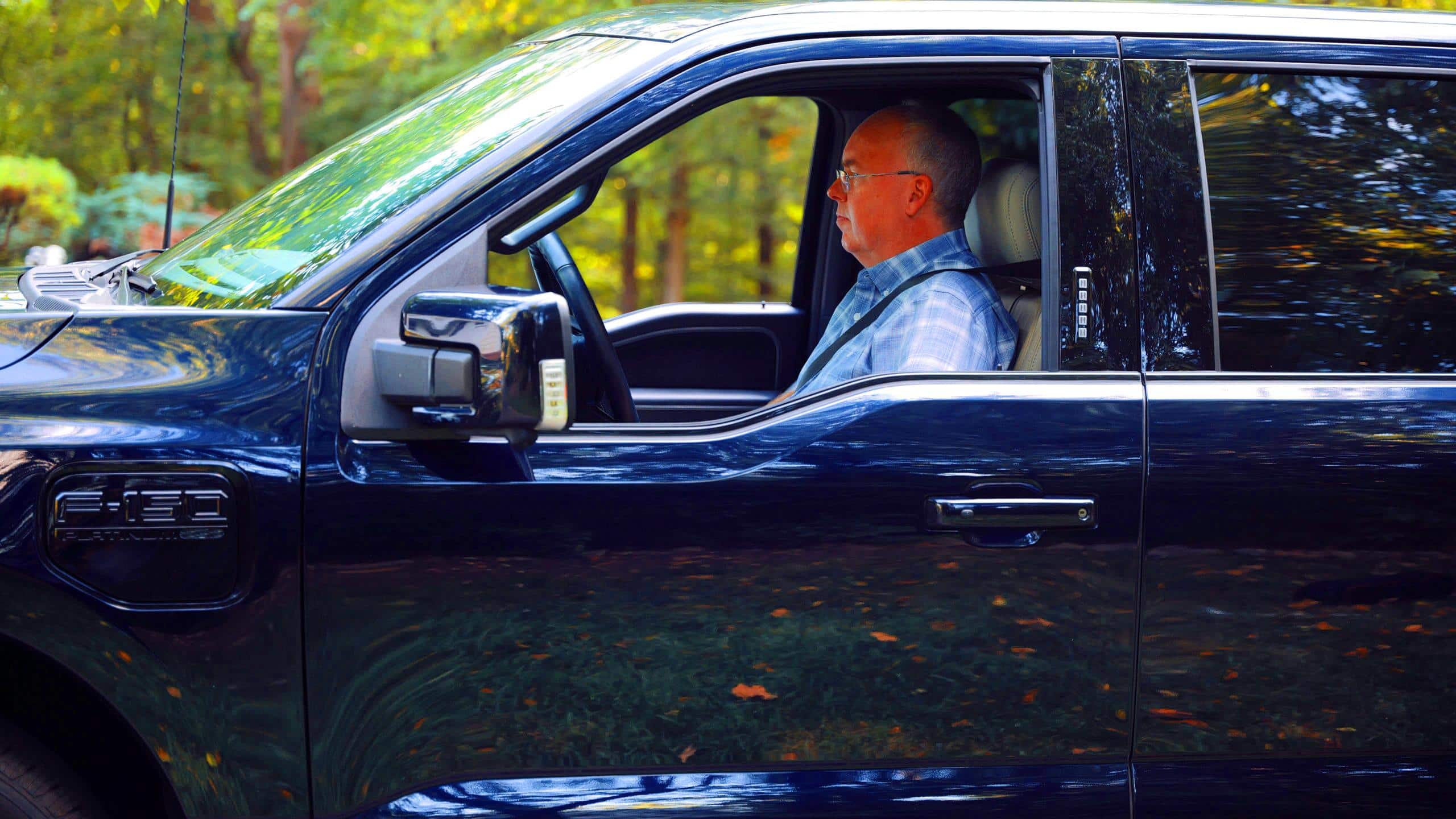
Sunrun, a leading provider of home energy storage and solar solutions, partnered with BGE and Ford to launch the nation’s first residential V2G pilot. The program, which began in July, involves three Baltimore-based Ford F-150 Lightning owners. These participants utilize Sunrun and Ford’s Home Integration System to send energy back to the grid during peak demand periods, specifically between 5 pm and 9 pm on weekdays. In return, participants can earn up to $1,000, enhancing the appeal of this initiative.
One of the Lightning owners, Morgan Grove, expressed enthusiasm for being part of the program. As a member of the Baltimore Commission on Sustainability, Grove emphasized the dual benefits of owning a Ford F-150 Lightning: the ability to power a home during outages and the opportunity to earn money by contributing to the grid. This program, running until the end of the month, showcases the potential for residential V2G technology to enhance grid reliability and offer financial benefits to participants.
Implications for a Resilient Power Grid
The V2G pilot underscores the critical role that vehicle batteries can play in enhancing the resilience of the nation’s power grid. “Enabling customers to not only power their homes but send power directly back to the grid in times of need helps customers with financial incentives, utilities with more power capacity, and society through more grid reliability and sustainable energy practices,” stated Bill Crider, senior director of global charging and energy services at Ford Motor Company.
Mary Powell, CEO of Sunrun, highlighted the partnership’s potential to accelerate American energy independence by demonstrating how electric vehicles can power homes, supplement the grid, and help utilities manage peak electricity demand. This program not only fosters sustainable energy practices but also opens up new income opportunities for participants. As the program progresses, it may serve as a model for similar initiatives nationwide, contributing to a more resilient and sustainable energy infrastructure.
Prospects for Wider Adoption
The successful implementation of the V2G pilot could pave the way for broader adoption of this technology. The current program demonstrates that electric vehicles can be more than just a mode of transportation; they can be a critical asset in energy management. The ability to earn financial rewards while supporting the grid presents a compelling case for EV owners to participate in such programs. Moreover, as more residential V2G initiatives emerge, they could significantly enhance grid sustainability and resilience.
Ford, Sunrun, and BGE’s collaboration exemplifies the potential of public-private partnerships in driving innovation in the energy sector. By building on the success of this pilot, other automakers and utility companies may be encouraged to explore similar initiatives. The implications for grid management, energy independence, and financial incentives for consumers are profound, making the prospect of wider V2G adoption increasingly likely.
As the pilot program with Ford F-150 Lightnings continues to unfold, it raises important questions about the future of energy management and the role of electric vehicles in a sustainable energy landscape. Could the widespread adoption of V2G technology significantly transform our power grids? And what are the implications for individual consumers and energy providers as we move towards a more integrated and resilient energy system?