
Electric Vehicles Become Ireland’s Top New Car Choice
Battery-electric vehicles have become Ireland’s most popular new-car powertrain, leading hybrids, petrol, plug-in hybrids and diesel in the latest market figures.
 By
Ethan Kowalczyk
By
Ethan Kowalczyk
Battery-electric vehicles are now Ireland’s most popular type of new car. They represented 26% of the country’s new-car market in the latest figures, moving ahead of conventional hybrids, petrol cars, plug-in hybrids and diesel. The change puts EVs at the front of a market where buyers still have several powertrain options, rather than marking the disappearance of those alternatives.
In brief
- Battery-electric vehicles accounted for 26% of Ireland’s new-car market, the largest share among powertrains.
- Ireland registered 9,682 battery-electric vehicles in July, a 98% increase from July 2025.
- The ICE2EV scheme offered up to €8,500 for eligible new EV purchases before applications reached its limit within hours.
- Total Irish new-car registrations reached 29,046 in July, up 8.63% year on year.
Reporting on the figures, The Irish Times detailed the 26% battery-electric share, compared with 24.6% for regular petrol hybrids. Petrol vehicles accounted for 20.4%, plug-in hybrids for 14.5% and diesel for 12.5%. The Irish Independent also reported that electric cars had overtaken hybrids for the first time in the Irish new-car market.
EVs lead a varied Irish new-car market
The ranking matters because it describes registrations across the whole new-car market, not a narrow comparison within the electric segment. Battery-electric cars took the largest individual share, but hybrids and petrol cars together continued to account for a substantial portion of registrations. Plug-in hybrids and diesel also remained part of the mix.
For drivers following changes in powertrain demand, the figures offer a clearer comparison than a single model ranking. A battery-electric vehicle runs only on electricity stored in its battery. A conventional hybrid combines an internal-combustion engine with an electric system but cannot normally be plugged in to charge. A plug-in hybrid can be charged externally and also has an engine. Those distinctions matter when reading market shares, since the categories reflect different vehicle designs and ownership patterns.

The EV lead was also pronounced against diesel. Fully electric vehicles recorded more than twice as many registrations as diesel models in Ireland’s new-car market. That comparison does not establish why individual buyers chose one powertrain over another, but it does show how the relative positions of the categories have shifted in the reported period.
Readers comparing developments beyond Ireland can follow reporting in Left Lane News’ electric vehicle coverage, where market changes and vehicle technology are considered across the broader EV landscape. Ireland’s figures should nevertheless be read on their own terms: they concern one national market and do not show that demand is identical elsewhere.
July registrations rose as EV volumes nearly doubled
Ireland registered 9,682 battery-electric vehicles in July, a 98% increase compared with July 2025, according to the reported industry figures. The wider new-car market grew as well. July registrations totalled 29,046 vehicles, up 8.63% year on year.
That wider increase is important context for the EV result. The electric total rose sharply, while the market as a whole also expanded. The available figures identify the scale of the changes, but they do not by themselves explain every buying decision or establish that the same pattern occurred in each part of the country.
For a buyer, registration statistics are a market signal rather than a substitute for an ownership assessment. An EV’s suitability still depends on the individual vehicle, expected driving distance, charging arrangements and the buyer’s budget. None of those questions is answered solely by a national market share, even when that share reaches first place.

ICE2EV applications closed after reaching the limit
The July figures followed the launch of Ireland’s ICE2EV scrappage initiative. The scheme offered up to €8,500 towards a new electric car when an eligible petrol or diesel vehicle at least 13 years old was traded in. The maximum combined a €5,000 scrappage payment with the existing €3,500 EV grant.
ICE2EV had €10 million in funding and operated on a first-come, first-served basis. It closed within hours after reaching its application limit. That detail is essential for anyone reading the incentive as part of the market backdrop: the reported scheme is no longer open for new applications.
The timing of the programme and the strong July EV registration result are both part of the record. The figures do not, however, demonstrate that the scheme alone caused the increase in electric-car registrations. They show that battery-electric cars led the market in a month when the scrappage initiative had been introduced and when overall new-car registrations also rose.
Ireland’s new-car buyers therefore face a market in which battery-electric vehicles have moved into the leading position, while hybrids, petrol cars, plug-in hybrids and diesel vehicles continue to register in meaningful numbers. The July data establishes a new ranking of powertrains, and it also leaves the practical choice of vehicle dependent on the circumstances of each buyer.
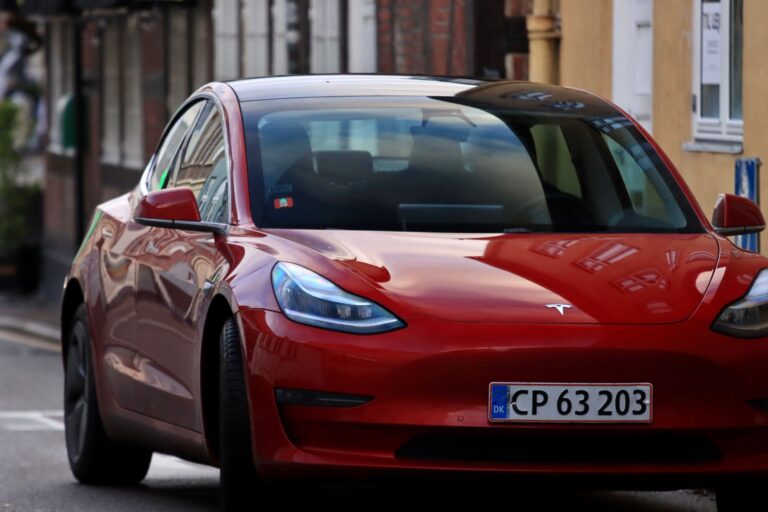
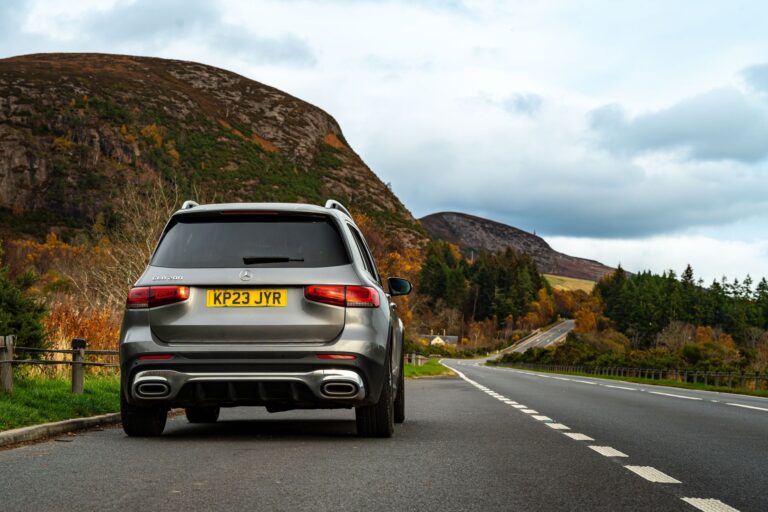
Featured image. Source: Pexels. Credit: Ed Harvey. License: Pexels License.