

A Simple Monthly Routine to Check Your Car Before Problems Start
Most breakdowns grow out of small issues that went unnoticed. A short monthly routine covering fluids, tires, lights and warning signs helps you catch them early.
 By
Ethan Kowalczyk
By
Ethan Kowalczyk
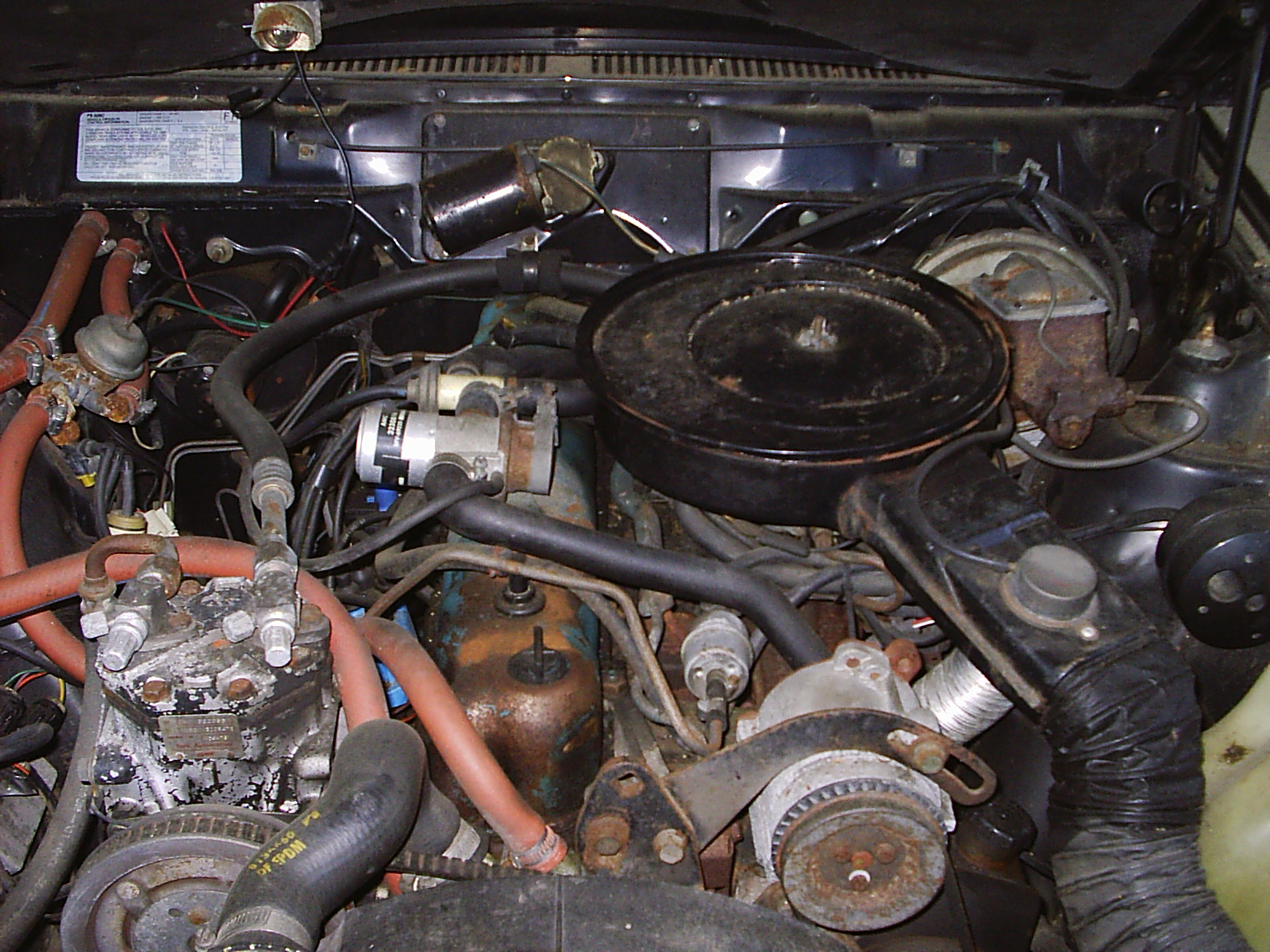
Most breakdowns do not come out of nowhere. They are the end of a slow chain of small things nobody looked at: a fluid that crept below its mark, a tire that wore unevenly, a belt that started to glaze. A short, regular inspection routine catches most of these problems while they are still cheap to fix, and it takes less time than a stop for fuel. Here is a practical way to build that habit.
In brief
- They are the end of a slow chain of small things nobody looked at: a fluid that crept below its mark, a tire that wore unevenly, a belt that started to glaze.
- Run your fingers carefully over the surface to feel for bulges, cuts or embedded objects.
- Ten minutes a month, a clear record and a habit of acting on small signs will usually do more for reliability and safety than any expensive upgrade.
Start with the fluids, on a cold engine and level ground
Fluids are the lifeblood of a car, and checking them is the single most useful habit an owner can develop. Park on flat ground, let the engine cool, and open the hood. Begin with the engine oil: pull the dipstick, wipe it, reinsert it fully, then pull it again. The level should sit between the two marks. Pay attention to the color and feel as well. Dark oil is normal after some use, but a milky look can point to coolant contamination, and a gritty texture suggests it is overdue for a change.
Next, look at the coolant reservoir. The level should stay between the minimum and maximum lines when the engine is cold. Never open a hot radiator cap, because the system is pressurized and can cause serious burns. Then check the brake fluid reservoir, the power steering fluid if your car uses it, and the washer fluid. A brake fluid level that drops noticeably over time is not a topping up problem, it is a warning that pads are worn or that there is a leak, and it deserves a professional look.
Tires deserve more attention than they get
Tires are the only contact between the car and the road, so their condition affects braking distance, handling and fuel use. Check pressure monthly with a reliable gauge, and do it when the tires are cold, using the figure on the placard inside the driver door frame rather than the maximum printed on the sidewall. Under-inflated tires wear on their edges, run hotter and waste energy. Over-inflated ones wear in the center and grip less.
Look at the tread across its full width. Uneven wear is a message: wear on one edge usually means alignment trouble, while a scalloped or cupped pattern often points to worn suspension parts. Run your fingers carefully over the surface to feel for bulges, cuts or embedded objects. Rotating the tires at the interval recommended in your owner’s manual helps them wear evenly and last longer.
Lights, wipers and visibility
Safety equipment is easy to neglect because failures are often invisible from the driver seat. Have someone stand outside while you test the headlights, brake lights, turn signals and hazard lights. A single burned out bulb is cheap to replace, yet it can leave you hard to see at exactly the wrong moment.
Wiper blades harden and crack with age and sun exposure. If they streak, chatter or leave bands of water, replace them rather than hoping for better. Keep the windshield clean inside and out, because a hazy film makes glare from oncoming headlights far worse at night.
Listen, smell and feel
Your senses are a free diagnostic tool. A squeal when braking often signals worn pads, a rhythmic clicking when turning can indicate a tired joint, and a burning smell deserves immediate attention. A steering wheel that vibrates at certain speeds frequently means unbalanced wheels, while a pull to one side points to alignment or tire pressure. Note when a symptom appears: cold start, high speed, under braking or while turning. That detail helps a mechanic find the cause much faster and reduces the chance of paying for guesswork.
Keep a simple record
A small notebook or a phone note is enough. Write down the date, the mileage and what was done every time you change a fluid, rotate tires or replace a part. This record makes it easier to follow the maintenance schedule from the manufacturer, supports a better resale conversation later, and reveals patterns, such as a component that keeps failing. Follow the schedule in your owner’s manual before any generic advice, since intervals differ between engines, driving conditions and fuel types.
Know where the line is
Many checks are well within reach of a careful beginner, but some jobs involve brakes, airbags, fuel systems or high voltage components, and these should be left to qualified technicians. If a warning light stays on, treat it as information, not an annoyance. Some lights mean you can finish your trip and book a visit, while others, such as oil pressure or brake warnings, mean you should stop safely as soon as possible.
The goal of regular inspection is not to turn every owner into a mechanic. It is to notice change early. Ten minutes a month, a clear record and a habit of acting on small signs will usually do more for reliability and safety than any expensive upgrade.
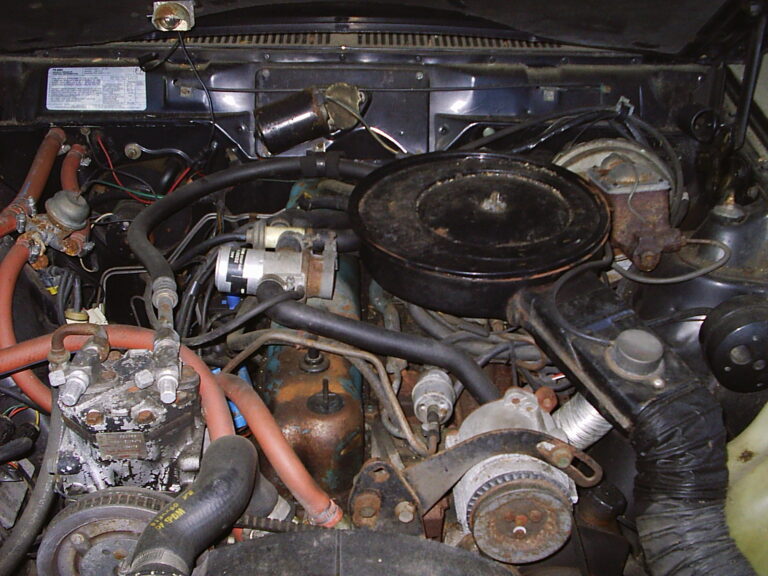
Featured image. Source: Wikimedia Commons. Credit: Christopher Ziemnowicz (CZmarlin). License: Public domain.
Continue reading