
Frame, leaf springs and hitch position explain why trucks tow more
Un Tahoe et un Silverado partagent une plateforme, mais le pick-up tracte 4 900 livres de plus. Le cadre et les ressorts expliquent cet écart.
 By
Ethan Kowalczyk
In brief
- Pickups out-tow SUVs even when both share a platform, according to Jalopnik’s comparison.
- A separate frame, leaf springs, gooseneck hitches and diesel torque all favor the truck.
- SUVs counter with up to nine seats, enclosed cargo space, easier driving and lower fuel use.
Pickups get the nod for heavy towing because they are engineered to haul more, and the proof appears even where a truck and an SUV are built on shared underpinnings. Jalopnik lays out the numbers, and the gap is wider than the similar looks suggest.
Same family, very different ratings
J.D. Power points out that the Chevrolet Tahoe shares its platform with Chevrolet’s Silverado 1500 pickup. Even so, the 2026 Tahoe can pull no more than 8,400 pounds, whereas the Silverado 1500 carries a 13,300-pound rating. The Ford range shows the same pattern.
| SUV | SUV towing | Pickup | Pickup towing |
|---|---|---|---|
| 2026 Chevrolet Tahoe | 8,400 lb | Silverado 1500 | 13,300 lb |
| 2026 Ford Expedition | 9,600 lb | 2026 F-150 | 13,500 lb |
The Jeep Grand Wagoneer sits at the top of the full-size SUV class with 10,000 pounds, and that figure still trails most full-size pickups. The Ford Explorer, a midsize three-row SUV with unibody construction, is rated for 5,000 pounds, under half of an F-150’s pulling ability. Consumer Reports advises against pulling right at or close to a vehicle’s capacity, so the ceiling matters even for rigs that can technically reach it.
Why the pickup is the stronger choice for towing
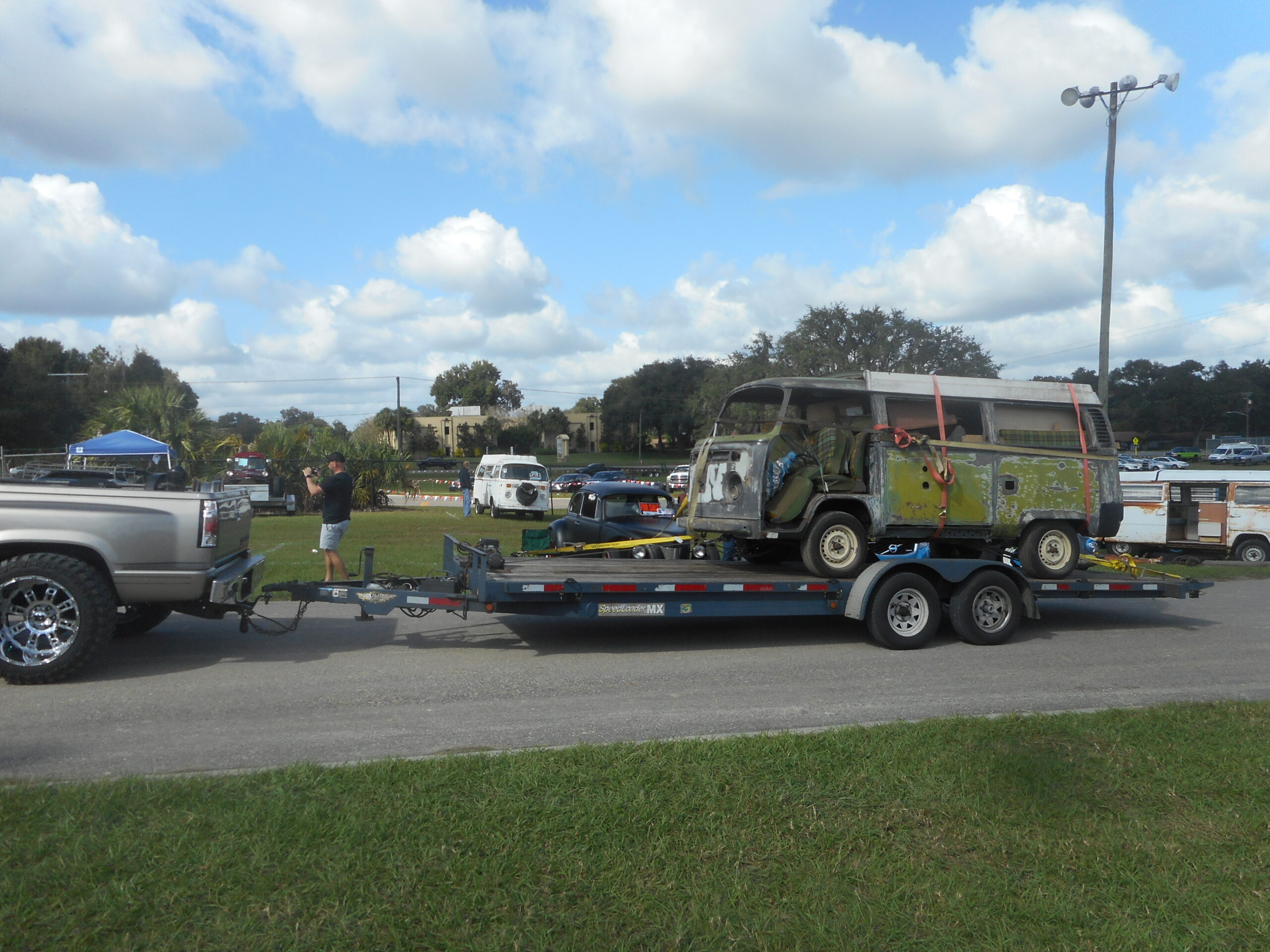
A truck’s bed is rarely joined to its cab. Both are mounted as distinct units on a heavy frame, since a single-piece body would be too rigid to cope with the flex that heavy towing creates. Most SUVs skip that setup.
At the rear, pickups traditionally use leaf springs, better suited to heavy loads but less comfortable. Coil springs sit under most SUVs, giving a softer ride but not usually being configured for big towing jobs.
Weight placement matters too. As The RV Geeks put it, «a truck can carry more weight positioned right above its rear axle»; that spot is where gooseneck and fifth-wheel hitches mount. Ford’s Super Duty shows the payoff: its maximum rating drops by 10,000 pounds when a gooseneck is swapped for a conventional hitch.
Then comes the engine. The Super Duty’s top engine choice produces as much as 1,200 lb-ft of torque, which no SUV offers.
Gear and geometry
- Specialized equipment: heavy-duty cooling systems, specialized axle ratios, trailer brake controllers and towing mirrors are all commonly available on trucks.
- Longer wheelbase: trucks tend to be longer between the axles than a comparably sized SUV. That can be annoying when parking in cramped spaces or navigating busy urban streets, yet it aids stability while towing.
Where the SUV is the smarter buy
Six is the passenger ceiling for a full-size pickup, and no pickup offers a third row. Up to nine people fit in the 2026 Chevy Suburban, with 36.7 inches of third-row legroom, and the Honda Pilot offers up to eight seats.
Luggage also travels under one roof, secured by the same locks and cooled by the same air conditioning as the people aboard. The Suburban ties for the best 2026 SUV cargo space: 41.5 cubic feet when all three rows are occupied, and 144.5 once the back two rows are folded flat.
Daily driving favors SUVs too. In Consumer Reports’ 2019 comparison, full-size pickups lost to large SUVs on drivability, compact pickups lost to midsize SUVs, and midsize SUVs also won the access category. On fuel, Toyota’s 2026 RAV4 comes only as a hybrid, with an EPA rating of up to 43 mpg combined, whereas a 2.7-liter F-150 manages 19 mpg in the city and 25 on the highway.
SUV strengths
- Up to nine seats in a Suburban
- Enclosed, lockable cargo space
- Easier drivability and access
- Far better fuel economy in hybrid models
Pickup strengths
- Higher towing ratings
- Separate frame and leaf springs
- Gooseneck and fifth-wheel hitch position
- Heavy-duty cooling and diesel torque
For a family weighing a big trailer against school runs, the split is clear. The truck is designed with the trailer in mind, starting at its frame, while the SUV is the vehicle that is simpler to live with every day. Other options are covered in the best pickup trucks guide.
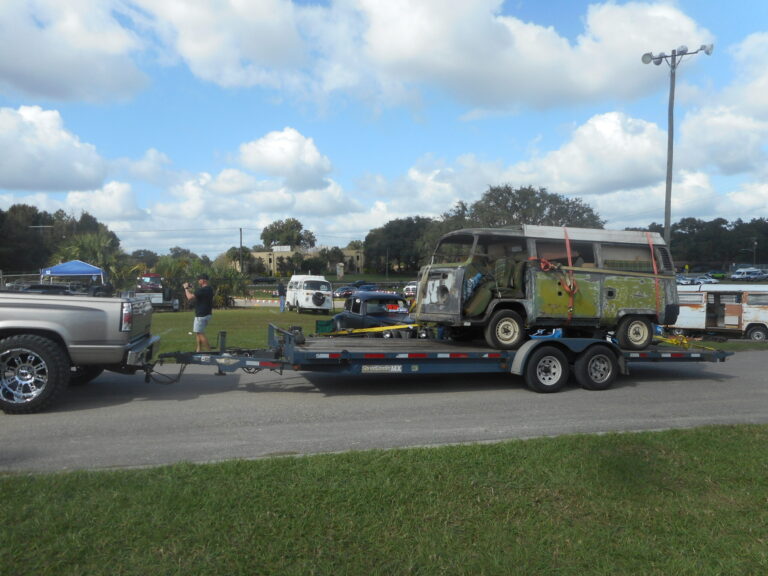
Photo: DanTD / Wikimedia Commons, CC BY 4.0