
What happens to the 2017 Roadster deposits after Tesla’s redesigned car
Jalopnik sets the 2017 Roadster’s concrete figures against a new version built around flying tricks, and asks what is left for the buyers who ordered the first.
 By
Owen Fairbrother
In brief
- Tesla showed a second-generation Roadster in 2017 and showed a different car under the same name in 2026.
- The new car claims 0.81 seconds to 60 mph, drops the back seats and the targa top, and skips range.
- Musk says production starts in 2028, a date Jalopnik doubts.
- Tesla has not said what happens to 2017 deposit holders.
Two cars have carried the name Roadster 2.0, and only one of them was pitched like something a customer could drive home. That is the argument Jalopnik makes, comparing Tesla’s 2017 reveal with the one that followed nine years later.
What the 2017 car put on the table
In 2017, Tesla presented the second-generation Roadster as a targa-topped 2+2. It was larger and more usable than the two-seat 2006 original, a tourer rather than a pure sports car. The numbers were specific, and Jalopnik treats them as the kind a quarter-million-dollar electric car ought to make.
That sprint would have taken 0.4 seconds off the Porsche 918 Spyder, the record-holder at the time, whose 0-60 mph time was 2.2 seconds.
The two Roadsters side by side
| Feature | 2017 Roadster | 2026 reveal |
|---|---|---|
| Body | Targa-topped 2+2 | Hardtop two-seater |
| Claimed 0-60 mph | 1.8 seconds | 0.81 seconds |
| Production | Never delivered | Musk says 2028 |
The new car also “flies,” in the words of the reveal as Jalopnik describes it. The 0.81-second figure and the flying ability are claims, not demonstrated performance.

A flying demo, and a doubt about the object
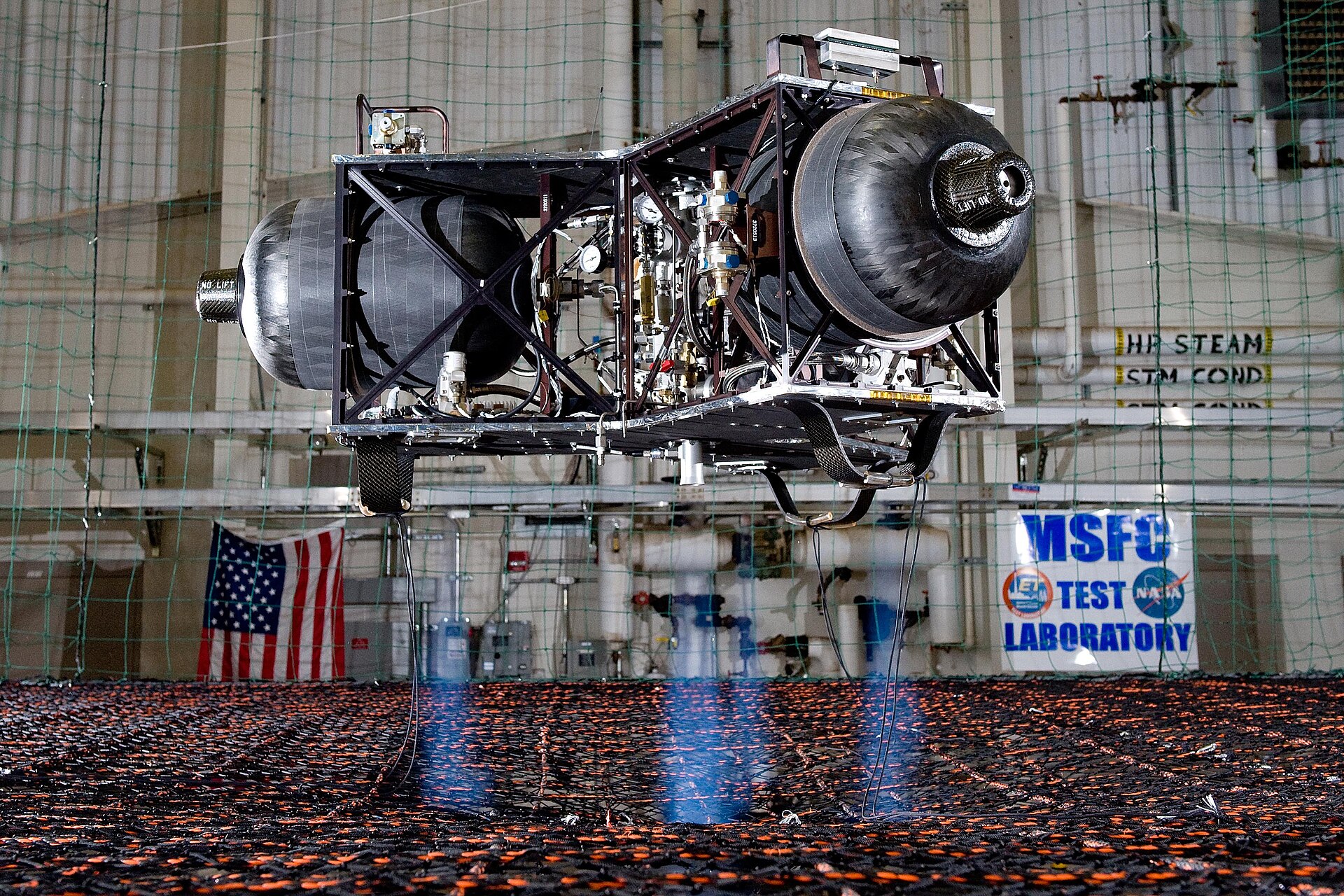
Jalopnik notes that the quoted 0-60 time, half that of the current record-holder, the Rimac Nevera R, played second fiddle in the presentation. The show centered on aerobatic tricks enabled by cold-gas thrusters borrowed from SpaceX. Musk tweeted seven years ago that the Roadster would fly, and SpaceX engineers have now made a car-shaped object hop and spin. In Jalopnik’s view, nothing proves that the object that flew is a car in any meaningful sense.
The outlet also reads the styling as a reflection of Musk’s tastes. It sees the F-35 and SR-71 in the shape, an Apollo space suit in the white paint and gold-tinted glass, and the propellers of the Lotus submarine prop Wet Nellie in the rear suction fans. It adds that the design borrows a little from the Cybertruck and Cybercab. These are Jalopnik’s interpretations, not statements from Tesla.
Business publications, Jalopnik reports, care less about the car than about what it might signal: a possible Tesla-SpaceX merger that would gather AI projects such as FSD, Optimus, Grok and xAI under one roof. That remains a possibility raised by commentators, not an announced plan.
Tesla has said nothing about the people who put down tens of thousands of dollars to order the 2017 car, or whether the clean-sheet redesign entitles them to a refund. Pricing for the new car was not discussed either. Musk says production will begin in 2028, a date the Jalopnik author does not expect to be met.
The comparison also looks different now than it did then. Jalopnik argues that other companies have since gone faster to 60 mph, and that bigger, heavier cars are closing in on the range Tesla set out for its lighter 2+2. The 2017 figures, in other words, are no longer out of reach for the competition, while the 2028 car has so far offered buyers no range, no price and no delivery date.
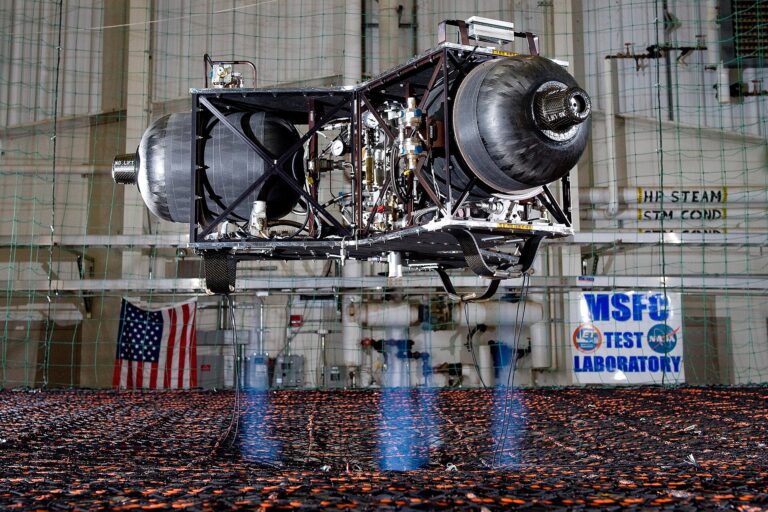
Photo: NASA/MSFC/David Higginbotham / Wikimedia Commons