


Private buyers add 99,676 UK electric cars as petrol costs bite
Au Royaume-Uni, les particuliers ont ajouté 99 676 voitures électriques au deuxième trimestre, selon l’AA, qui y voit l’effet direct du prix élevé de l’essence.
 By
Renée Castellano
In brief
- Private owners made up 65.2% of the quarterly rise in UK electric cars, according to AA analysis of Department for Transport figures.
- Home charging is put at about 7p a mile against 17p for petrol, worth around £1,000 a year over 10,000 miles.
- In the US, the Tesla Model Y leads the January to September ranking, while the Toyota bZ more than doubled its sales.
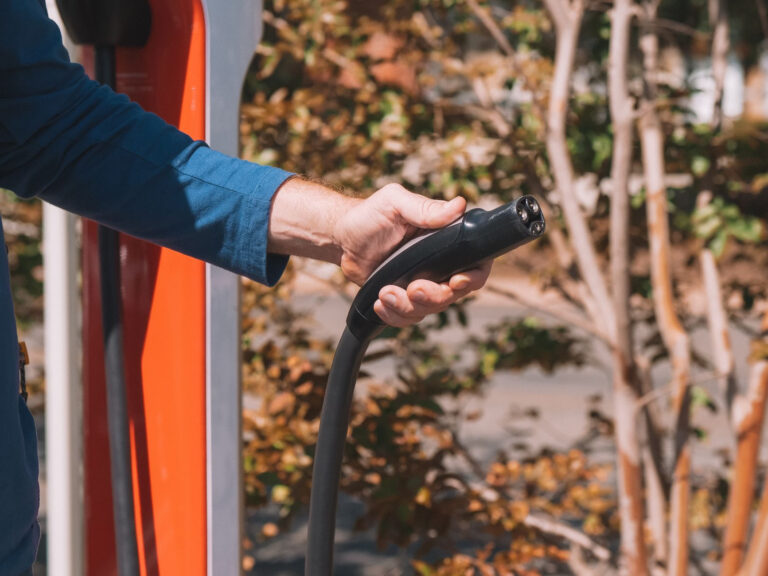
Private motorists, not company fleets, supplied most of the latest rise in electric cars on British roads. The AA examined Department for Transport figures and counted 99,676 more privately owned electric vehicles in the second quarter than in the first, according to Bodyshop Magazine.
Private buyers behind most of the quarterly rise
The increase accounts for 65.2% of the total quarterly growth in electric cars, and Bodyshop Magazine reports that high fuel prices are stimulating demand. Edmund King, AA president, commented on what the figures show.
King said: “Excessive pump prices mean for many drivers, there has never been a better time to consider going electric.” He continued: “We’re now seeing more private drivers making that choice.” He added: “This isn’t simply a company and fleet story.”
What home charging saves per mile
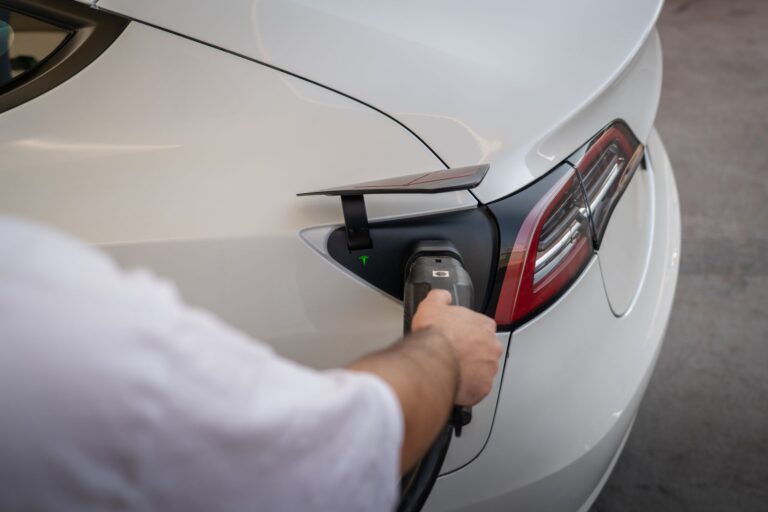
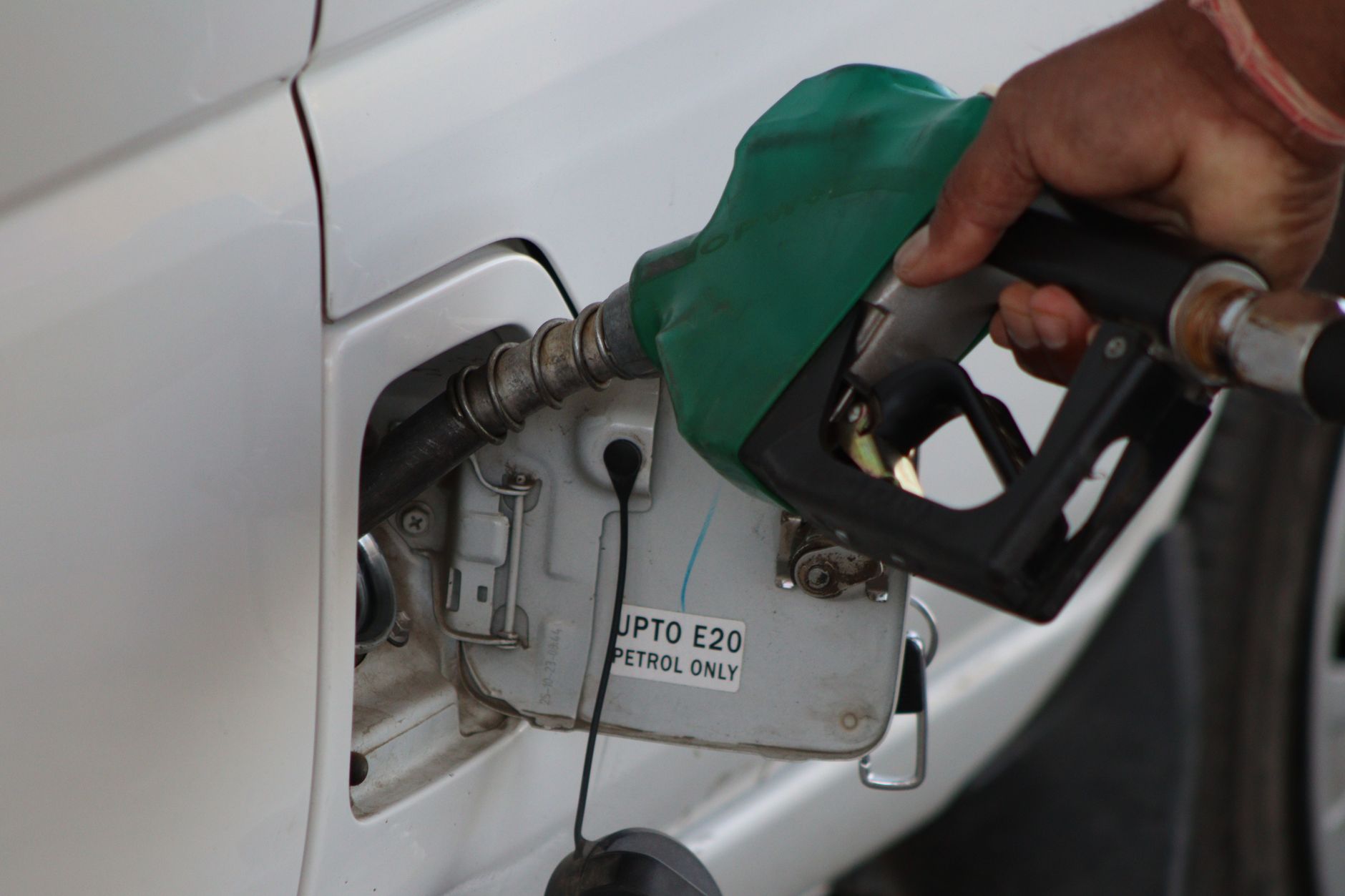
The running-cost gap is the core of the case for private owners. Charged at home, an electric car costs about 7p a mile, against 17p a mile for a petrol car. For a driver covering 10,000 miles a year, that works out at a saving of about £1,000 annually. These figures describe the UK only and give no fuel-cost comparison for other markets.
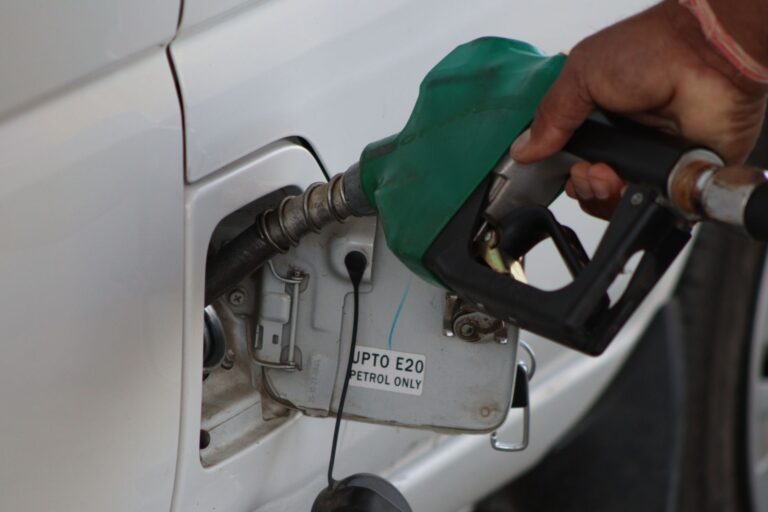
King also put numbers on the pump side: roughly £96 to fill a typical tank of petrol and roughly £110 for diesel. A driver who compares those fill-up bills with the per-mile figures above can estimate how a personal annual mileage would change the saving.
Where the savings are less certain
King describes the gap in price between similar used electric and petrol cars as having shrunk considerably. In his view, that offers drivers a wider choice across budgets, and it matters to private buyers who have no company car scheme behind them.
He also warns that motorists leaning mostly on ultra-rapid public chargers will not necessarily save as much. His comment: “Access to affordable charging remains crucial.” The 7p figure refers to charging at home, so owners without a driveway or wall box are in a different position. King adds that the benefits of going electric need to be available to as many drivers as possible.
The US picture: a ranking with mixed momentum
American sales tell a separate story. Kelley Blue Book figures for January to September 2026, summarised by daxstreet.com, rank the best-selling electric models in the United States. The first five places read as follows.
- Tesla Model Y: 262,491 units, down 1.0% on a year earlier.
- Tesla Model 3: 106,962 units, down 31.1%.
- Hyundai Ioniq 5: 31,112 units, down 24.3%.
- Toyota bZ: 24,944 units, up 103.4%, the strongest growth among the nine ranked models.
- Chevrolet Equinox EV: 18,154 units, down 65.6%, the steepest percentage fall of the nine.
Over those nine months the Model Y sold more than twice as many units as the Model 3. The daxstreet.com figures name no single cause for the declines at the Model 3 or the Ioniq 5, and the same goes for the Equinox EV, where changes in incentives, inventory, production or competition are only listed as possible influences.
The ranking also covers Rivian, Ford, Honda and Kia models among the nine, so the five above are only the top of the table. Toyota, long associated with conventional hybrids and fuel-efficient cars, reached fourth place with its first dedicated battery-electric SUV in this list.
Photo: Fahad Puthawala / Pexels