


“Chinese Engineers Build Flying Battery Bomb”: Overheating Car Launches Heavy Pack Several Yards Away While Parking Lots Become Danger Zones Forever
 By
Keisha Holloway
By
Keisha Holloway
| IN A NUTSHELL |
|
In recent developments in automotive technology, a new innovation from Chinese engineers has captured global attention. This system aims to address safety concerns associated with electric vehicle (EV) batteries. However, it has sparked debate due to its unconventional approach. The system is designed to eject a battery from an electric car if it risks overheating and catching fire. While the intention is to protect passengers, the method raises questions about the practicality and safety of such a feature in real-world scenarios. This article delves into the implications and controversies surrounding this bold automotive innovation.
The Concept Behind the Innovation
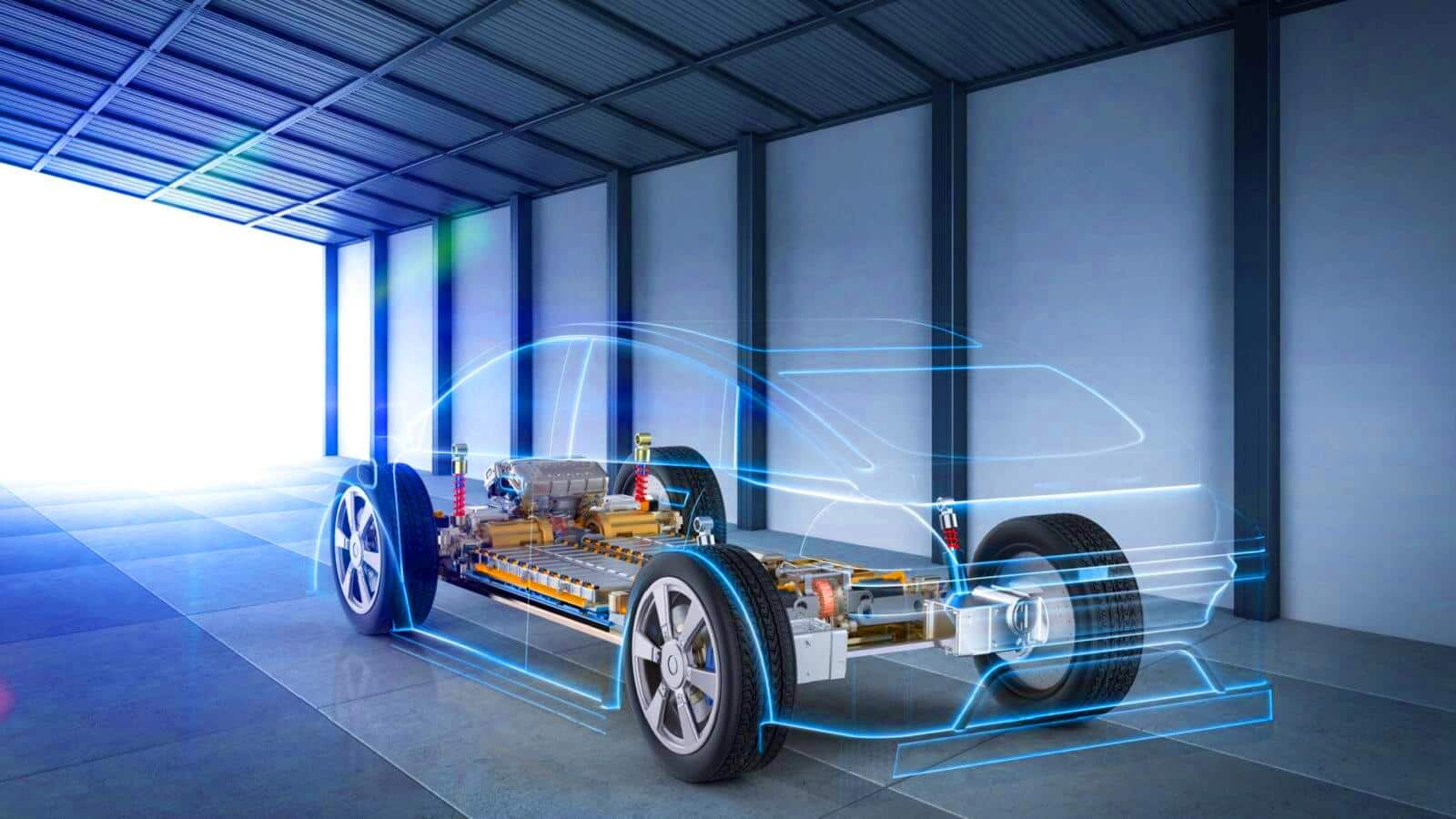
The primary motivation behind this system is to address the risk of thermal runaway in electric vehicle batteries. In such scenarios, a battery can overheat and ignite, posing a significant threat to passengers and the vehicle itself. The engineers designed a mechanism to eject the battery, weighing hundreds of pounds, several yards away from the vehicle. This preemptive measure is intended to prevent the car’s interior from becoming a potential fire hazard.
In a controlled laboratory environment, this concept seems logical. Removing the battery from the vehicle before it ignites could potentially prevent a catastrophic fire. However, when considered in real-world settings, such as parking lots or urban streets, the practicality of this system comes into question. The idea of a large battery being ejected at high speed in populated areas is concerning. It raises doubts about the safety and potential collateral damage in such situations.
A Closer Look at Real-World Implications
To understand the potential consequences, consider a scenario where a car is parked near a school. If the vehicle's battery overheats, the system would eject it, potentially into a crowd of children. Such an event would be akin to a dangerous missile launch, creating more hazards than it resolves. The mechanism operates using a gas generator similar to an airbag system, but the stakes are much higher. The battery could be propelled over several yards in just a second.
In less populated areas, like an empty highway, the system could be beneficial. However, in urban environments or crowded spaces, the risks are significant. Imagine a parking garage where a battery lands under another vehicle, igniting multiple cars. This "solution" could inadvertently cause more fires than it prevents, raising serious concerns about its implementation.
Public Reaction and Industry Response
The reaction to this innovation has been mixed. On Chinese social media, some users praised the ingenuity of the system, while others labeled it as the "most dangerous safety feature ever designed." The skepticism is understandable, given the potential risks. Moreover, the car manufacturer associated with the demonstration vehicle, Chery, quickly distanced itself from the project. Chery stated that it had no connection to the controversial system, emphasizing the importance of rational judgment.
This reaction highlights the industry's reluctance to embrace such a radical approach. Safety is paramount in automotive design, and the idea of transforming a battery into a projectile seems counterintuitive. While the risk of EV battery fires is a genuine concern, turning vehicles into potential hazards is not the answer. The industry continues to seek safer, more effective solutions to this challenge.
Volkswagen Unleashes Its Own Epic Gymkhana Video: A Thrilling Ride!
Safety Concerns and Future Prospects
The system's primary flaw lies in its potential to exacerbate rather than mitigate safety risks. If the ejection mechanism malfunctions or activates accidentally, the consequences could be disastrous. A battery misfired into a gas station or densely populated area could lead to widespread destruction. Furthermore, if a vehicle is involved in an accident and its structure is compromised, the ejection system might fail when needed most.
While the need to address EV battery fires is clear, the approach taken by these engineers might not be the most viable path forward. The focus should remain on developing technologies that prevent thermal runaway in the first place. Research into safer battery chemistries, improved thermal management, and more reliable safety features should continue to guide the industry's efforts. The question remains: how can we ensure the safety of electric vehicles without creating new and unintended risks?
As the automotive industry continues to innovate, the balance between safety and technological advancement remains crucial. The ejection system for EV batteries highlights the complexities and challenges faced by engineers and manufacturers. As electric vehicles become more prevalent, finding solutions that prioritize safety without compromising effectiveness is essential. How will the industry address these challenges while maintaining the trust and confidence of consumers worldwide?