


Top trends for trucks in 2025: what you need to know
 By
Renée Castellano
By
Renée Castellano
Once upon a time, the trucking industry embodied stability (reliable freight haulers, timeless rigs, and predictable economic tides. But the landscape in 2025 paints a more intricate story. Freight demand has wavered, shaped by pandemic aftershocks, worldwide trade disputes, and shifting economic realities. For truckers and fleet owners, adaptation is the motto. Case studies from Ford, Chevrolet, Ram, Toyota, GMC, Nissan, Rivian, Tesla, Hyundai, and Volkswagen write a new chapter, evolving their technology and designs while tackling capacity concerns, driver shortages, and regulatory ambiguity. This year, custom trends erupt alongside electrification booms, redefining what it means to move goods cross-country. In the evolving tale of trucks, innovation is no longer optional) it’s survival. Adventure seekers and industry veterans alike are forced to rethink the journey, all while keeping an eye on the road ahead.
The Trucking Industry’s Uncertain Recovery: Navigating 2025
Economic whiplash shapes every decision for those behind the wheel and their dispatchers in glass towers. After a sluggish 2024, freight volumes limped into the new year, with the likes of Ford and Ram recalibrating their strategies as retail sales faltered. Private fleets strengthened their hold, while for-hire carriers faced tougher profit margins. The ripple effects are evident in new truck orders, Class 8 behemoths no longer flying off showroom floors, and used models from Toyota, GMC, and Nissan filling the interstate lanes instead. Mounting costs, from tariffs on steel to spiking tire prices, test both established fleets and independent operators. Trade barriers muddy forecasts; what seemed like a brief detour becomes a formidable climb. Across engine tech innovations (discover more about 2025 engine trends), the path forks between risk and reward, courage and caution.
Drivers, Parking, and Persistent Challenges on the Road
Meet Alicia (a second-generation driver who finds parking more challenging than any convoy formation. In major hubs, the scramble for a safe spot turns routine breaks into risky gambles. The American Trucking Association’s stark warning of a looming shortfall) 160,000 drivers by the end of the decade, casts a shadow over the vibrant ambitions of EV disruptors, from Rivian to Tesla. The driver shortage isn’t merely about numbers; it’s generational. Attracting Gen Z to the driver’s seat proves just as complex as rebalancing vehicle inventory, as explored in current generational vehicle trends. Costs creep up elsewhere too, from essential repairs to rising insurance premiums, making each mile costlier than the last. At every rest stop, stories echo of operators squeezing through uncertainty while investing in rigorous training, safety innovations, and modular technologies.
| Challenge | Industry Impact | Leading Brands Affected |
|---|---|---|
| Driver Shortage | Higher wages, increased recruitment costs | Ford, Ram, Volvo, Freightliner |
| Parking Gap | Lower productivity, safety risks | Chevrolet, Toyota, GMC |
| Rising Costs | Slimmer margins, higher freight rates | Nissan, Hyundai, Volkswagen |
| Tariffs & Trade | Supply chain delays, unpredictable pricing | Rivian, Tesla |
Breakthrough Custom Truck Trends of 2025: Electrification, Overlanding, and Beyond
Standing on the lot at Lifted Trucks, Daniel ponders his next canvas: the silent torque of a Ford Lightning, a classic Chevrolet Silverado reimagined for adventure, or a Rivian ready for cross-country overland journeys? Electric trucks (no longer an outlier) claim lanes in cities and wilderness alike. Charging locations multiplying, and battery-powered utility outmuscle their doubters. Designers abandon safe grays. Instead, bold emeralds and color-shifting wraps announce the arrival of something new. The very definition of capability shifts. Toyota Tacoma and Ford Raptor owners invest in suspension kits once reserved for race deserts. Overlanding, once a niche, finds its mainstream moment thanks to Nissan and GMC builds prepped with solar panels, modular racks, and rooftop sanctuaries. Meanwhile, Volkswagen’s compact trucks whisper an urban promise, efficiency and flair over brute force, a nod to new habits and cityscapes. For a look at the wider ecosystem of sustainable materials and future design, explore this deep dive on car materials.
Inside the Cabin: Luxury, Modularity, and the Human Touch
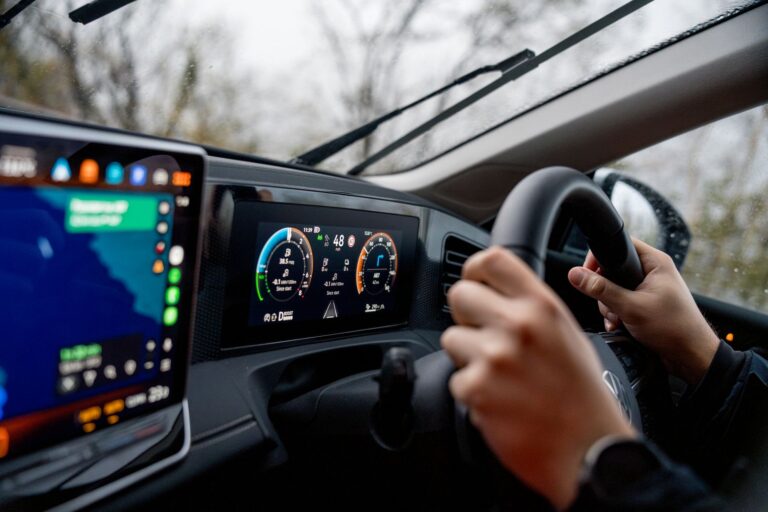
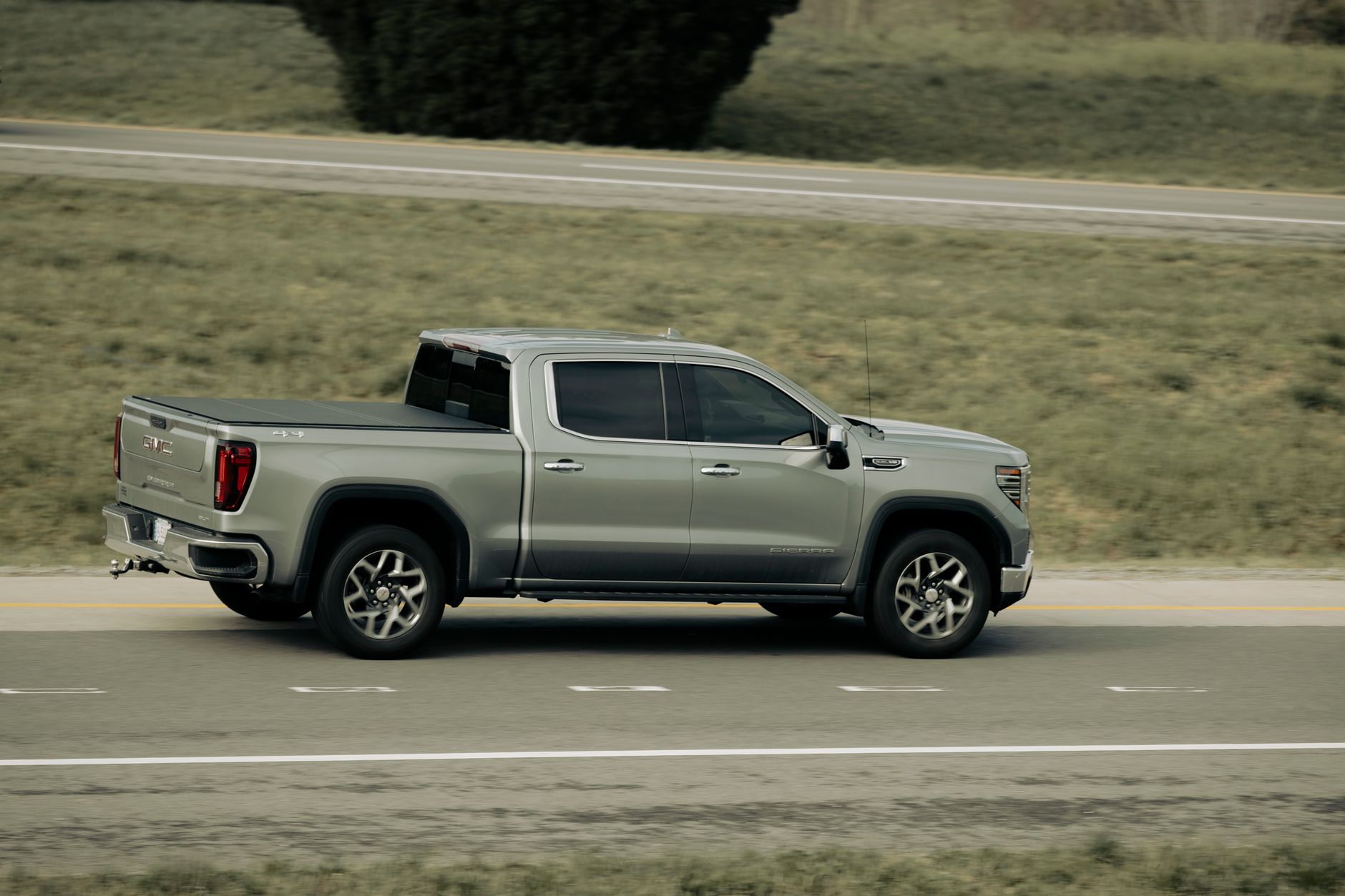
Amanda, with her GMC Sierra, sees no reason truck interiors should lag behind luxury sedans. Tailored leather, immersive infotainment, and adaptive lighting transform cabins into sanctuaries. Volkswagen and Hyundai push the boundaries with configurable dashboards and modular cargo storage. While American brands still flex muscle under the hood, competition in comfort is heating up, inspired by trends from the world of luxury supercars as profiled in this analysis. The aftermarket reacts too: LED bars brighten night trails, adaptive headlights learn from driver habits, and modular accessories let every truck toggled between jobsite and weekend escape. In this era, customization isn’t just about turning heads, it’s about fitting every possible version of daily life. Competition breeds innovation and options, seen daily wherever a Hyundai Santa Cruz parks beside a Ram 1500 or an adventurous Tesla Cybertruck rests after a heavy haul.
| Customization Trend | Example Models | Innovative Feature |
|---|---|---|
| Electrification & Hybrid | Ford Lightning, Rivian R1T, Tesla Cybertruck | Instant torque, silent operation |
| Bold Paint & Wraps | Chevrolet Silverado, Nissan Frontier | Color-shifting, durable finishes |
| Luxury Interiors | GMC Sierra, Volkswagen Amarok, Hyundai Santa Cruz | Advanced infotainment, premium leather |
| Overlanding Builds | Toyota Tacoma, Ford Raptor | Solar panels, modular tents |
| Adaptive Lighting | Ram 1500, Ford F-150 | Terrain-aware headlights, underbody LEDs |
The Road Forward: Adaptability, Partnerships, and the Future of Trucking
The script for 2025 remains unfinished. New regulations appear and vanish, supply chains lurch in fits and starts, and companies (from Ford to Rivian) pivot faster than ever. Resilience and adaptability filter every decision. Partnerships become a safety net; a reliable transport company or custom truck builder (like Lifted Trucks or QFS Transportation) serves as an anchor in the squall. Here, loyalty isn’t just tradition, it’s strategy. As the story unfolds, the winners don’t hide from volatility. They invest in talent, prioritize safety, and double down on technical innovation, leveraging insights from automotive advancements such as AI and wireless charging (learn about AI in future vehicles here, or wireless charging). For those dreaming not just of work but of wild trails and new frontiers, the next chapter promises a blend of sustainability, style, and purpose, one rig, one innovation at a time.
Questions & Answers on Truck Trends, Tech, and Market Shifts
Is the trucking industry recovering in 2025?
Recovery is gradual. Demand is rebounding from a sluggish 2024, but new challenges related to tariffs, regulatory changes, and costs mean companies must stay flexible. Partnerships and fleet adaptability define success.
What new technologies are shaping trucks this year?
Major advances include electrification, hybrid systems, improved safety features, modular interiors, and overlanding-ready builds, as explored in detail in the 2025 automotive innovations report.
Are compact and midsize trucks really gaining popularity?
Absolutely. Models like the Ford Maverick, Toyota Tacoma, and Volkswagen Amarok are increasingly preferred for their maneuverability, efficiency, and lower price point, especially in urban environments.
How are companies addressing driver shortages?
Fleets are investing in recruitment, technology-assisted training, improved working conditions, and offering more flexible routes. Efforts to attract younger drivers are especially critical, with creative solutions gaining traction as detailed here.
Where can I learn more about alternative truck fuels and the future?
For detailed discussions on future fuels like hydrogen and the evolving alternative market, visit this comprehensive article.