



The role of oil in car engine performance
 By
Graham Pettigrew
By
Graham Pettigrew
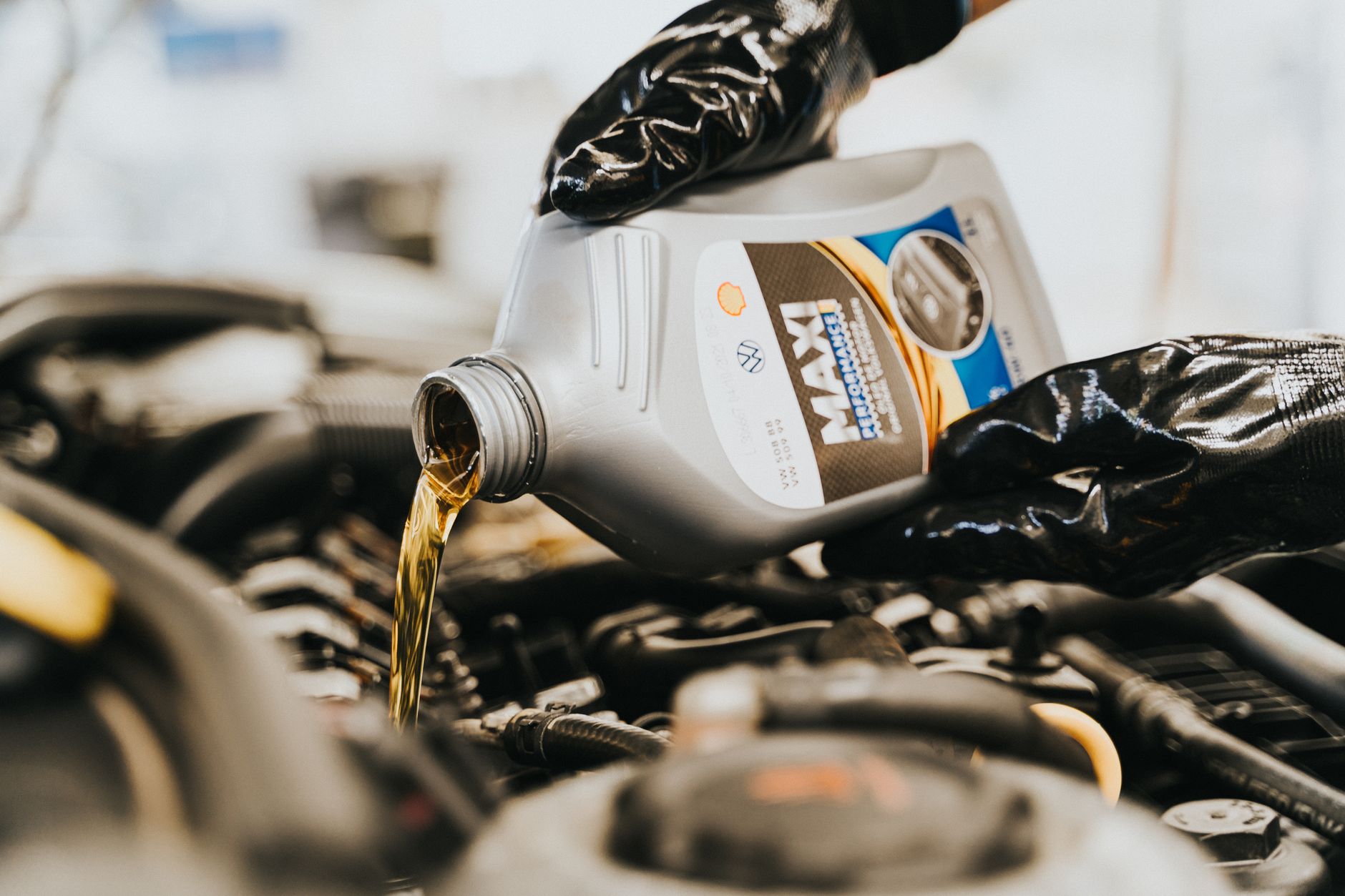
In a bustling city in spring, Lena watched her car’s dashboard flicker with another maintenance reminder, engine oil, again. While she once dismissed these prompts as minor nuisances, a recent breakdown made her realize how vital oil truly is to an engine’s symphony. Under the hood, beyond the clangor of pistons and the powerful combustion, engine oil works with quiet persistence. Its impact reaches far beyond basic lubrication: it shapes fuel efficiency, preserves horsepower, and determines how long a vehicle will serve its owner with unwavering loyalty. With modern cars incorporating technology from giants such as Mobil 1, Castrol, Shell, Valvoline, Pennzoil, TotalEnergies, Royal Purple, Motul, Liqui Moly, and Kendall, engine oil now holds the power to transform vehicle performance in ways previous generations only imagined. This journey into the role of oil in car engine performance reveals the hidden heroics behind every smooth commute and every thrilling road trip, inviting us under the hood to witness technology and chemistry in action.
How Engine Oil Shapes Car Engine Performance and Longevity
Every engine houses a choreography of metal parts, running at immense speeds and under intense heat. Here, oil serves as the conductor, orchestrating movement with minimal friction. Without it, friction would escalate, producing wear that shortens engine life. But oil isn’t just a lubricant. It’s a coolant, whisking heat away from vulnerable parts before it can cause irreparable harm. Oil’s detergents capture micro debris and sludge, maintaining engine cleanliness even after thousands of miles. As Lena discovered during a recent tune-up, ignoring these oil qualities means risking performance, with symptoms like sluggish acceleration or warning lights signaling bigger troubles ahead. Manufacturers now calibrate modern engines, such as those described in the evolution of engine technology on Left Lane News, to work best with precise oil specifications, heightening the need for careful oil choices. And whether an owner relies on trusted Kendall blends for steady commutes or high-performance Royal Purple for sporty drives, the right oil determines not only how the engine performs, but also how long it lasts.
The Mechanics of Lubrication, Cooling, and Engine Cleanliness
Imagine two metal gears grinding against each other without protection. Heat intensifies, surfaces degrade, and soon the once smooth operation turns into devastating failure. That’s the chaos a car’s oil intercepts every day. Top brands like Motul and Liqui Moly engineer oils that form a resilient film, shielding components from direct contact even during extreme acceleration. This film reduces friction and supports efficient power transfer, letting the engine respond briskly when you hit the accelerator.
But the oil’s job doesn’t stop at lubrication. Oil acts as a thermal conduit, absorbing excess heat from combustion and rapidly moving it away from fragile parts. It tackles debris, trapping tiny particles and holding them in suspension until the next oil change, helping prevent the buildup that leads to performance losses. Whether prepping a car for long trips as advised in road trip guides, or tracking erratic warning lights per maintenance checklists, drivers routinely return to the protective, multipurpose power of modern engine oils for consistent, clean performance.
| Oil Function | Benefit | Top Oils |
|---|---|---|
| Lubrication | Reduces friction and wear | Mobil 1, Castrol, Motul |
| Cooling | Absorbs and dissipates heat | Valvoline, Shell, Liqui Moly |
| Cleaning | Removes and suspends contaminants | TotalEnergies, Royal Purple, Pennzoil |
The Secret Life of Oil Viscosity and Its Effect on Fuel Efficiency
Not all oils flow the same. The secret to an engine’s zest on a cold morning or its endurance on a scorching summer road lies in viscosity, a measurement of oil’s resistance to flow. Car manufacturers, over years of testing on both traditional and futuristic engines, specify viscosity grades tailored to each model’s engineering. Use an oil that’s too thick in winter, and the engine strains; an oil too thin in summer, and heat overwhelms protection.
Take, for instance, Lena’s switch from conventional to full synthetic Castrol. The results were immediate: smoother cold starts, a quieter idle, and a notable bump in mileage. As urban drivers balance between erratic city commutes and highway sprints, understanding and choosing the right viscosity translates into less fuel used and lower emissions. Emerging engine designs in 2025, as outlined in energy reports, lean heavily on synthetic oils for their stable performance across harsh climates and stop-start conditions.
| Viscosity Grade | Best For | Brand Examples |
|---|---|---|
| 0W-20 | Cold Climates, Modern Hybrids | Mobil 1, Pennzoil |
| 5W-30 | General Purpose, City Driving | Castrol, Valvoline, Shell |
| 10W-40 | High-temperature, Older Engines | TotalEnergies, Royal Purple |
Regular Oil Changes: The Foundation for Reliable Engines
There comes a point in every oil’s life when it loses its magic. As the months and miles add up, even premium synths like Valvoline and Shell face contamination by heat and debris. The result? Dirty oil, sluggish performance, stunted efficiency, and ultimately, the risk of engine breakdown. Missing an oil change is more than a minor oversight; it’s an open invitation to a shortened engine lifespan, something explored in the engine failure reviews on Left Lane News.
Regular maintenance, echoing advice for both gasoline and hybrid engines in articles like this guide, remains the surest way to preserve engine harmony. It’s not simply about extending service intervals; it’s about ensuring each start brims with vitality, with oil supporting every move the engine makes, without compromise.
Inside the Bottle: Engine Oil Composition and Additives
Popping the hood and peering at the oil cap, most drivers overlook the science within. Engine oil blends today, especially those by Liqui Moly and Motul, are more than refined crude (they’re alchemical mixes of base oils and precisely engineered additives. These boosters) detergents, anti-wear agents, corrosion inhibitors, target very specific engine ailments. Detergents keep the engine’s arteries clean; dispersants handle stray debris. Viscosity modifiers ensure oil stays fluid in deep winter and won’t evaporate under summer heat. Thanks to modern engineering, high-end brands deliver formulas that match or outperform even the strictest manufacturer specs, as shown in studies discussed in engine basics.
| Additive | Function | Oil Brands Featuring |
|---|---|---|
| Detergents | Cleans engine parts | Shell, Motul |
| Dispersants | Suspends contaminants | Liqui Moly, Castrol |
| Anti-wear Agents | Reduces friction on surfaces | Valvoline, TotalEnergies |
| Viscosity Modifiers | Stabilize oil thickness | Mobil 1, Royal Purple |
| Corrosion Inhibitors | Protects metal parts | Pennzoil, Kendall |
Choosing the Right Engine Oil for Modern Vehicles
Faced with the rows of bottles at the auto parts store (syn-blends, full synthetics, high-mileage options) Lena found her choice guided by research and practical know-how. She recognized that the owner’s manual was her Bible, but that real-world reviews (comparing Mobil 1 against Pennzoil or TotalEnergies) held experiential truths. In 2025, with vehicles packed with sensors and direct-injection tech, synthetic oils dominate the recommendations, especially for engines in urban commutes or those seeing frequent stop-start cycles.
Even electric vehicles, as discussed in overviews on Left Lane News, depend on lubricants for some auxiliary gears and components, reinforcing that the story of oil in performance doesn’t fade with the internal combustion engine. Reliable sources, routine inspections, and timely changes, combined with the proper grade and brand, offer drivers the promise of performance measured in smooth miles and not in engine repairs.
Engine Oil and Everyday Driving: Real-World Lessons and Urban Myths
Stories abound among drivers (one friend believes only in Mobil 1 for BMWs, another swears by Royal Purple for turbocharged engines. These anecdotes join larger discussions about the cost and value of regular oil care, echoing findings from longevity expert guides. In practice, the oil does more than lubricate: it provides confidence, quiet, and a sense of reliability, adventure after adventure. Lena, now a convert, keeps a close eye on oil change reminders, seeing each interval not as a chore, but as an investment in the heart of her car. In a marketplace crowded with options, it is the blend of technology, research, and real-world vigilance that gives drivers the upper hand) an edge that means journeys that are smoother, longer, and filled with fewer surprises along the road.
Frequently Asked Questions About Engine Oil and Car Performance
What are the most telling signs that engine oil needs changing?
Apart from dashboard alerts, look for dark or gritty oil on the dipstick, odd noises from the engine, or a noticeable drop in fuel efficiency. In some cases, the car may fail to start smoothly or develop a persistent burning oil smell.
How do synthetic oils like Mobil 1 or Castrol improve performance compared to conventional oils?
Synthetic oils, engineered at the molecular level, offer enhanced thermal stability, resist breakdown, and maintain optimal viscosity over thousands of miles. This means cleaner engines, stronger protection, and often longer service intervals.
Should I change my oil filter with every oil change?
Yes, the filter captures microscopic contaminants and should be replaced with every oil change to prevent sludge and extend engine life.
Can using the wrong viscosity affect my engine’s health?
Absolutely. The wrong viscosity can hamper start-up lubrication, increase friction, or fail to provide adequate protection at high temperatures, all of which can lead to accelerated wear or even failure.
What role does oil play in electric or hybrid vehicles?
While full electric cars need less engine oil, hybrid vehicles and some EV components (like gearbox or differential gears) still rely on specialized lubricants for durability and efficiency. This highlights oil’s enduring relevance even in the evolving automotive world.
Continue reading