



2027 Aston Martin DBX GT pairs 717 hp with a softer ride and quieter cabin
The new GT pairs DBX S power and steering with revised dampers, additional cabin insulation and redesigned seating intended to make the high-performance SUV more accommodating.
 By
Keisha Holloway
By
Keisha Holloway
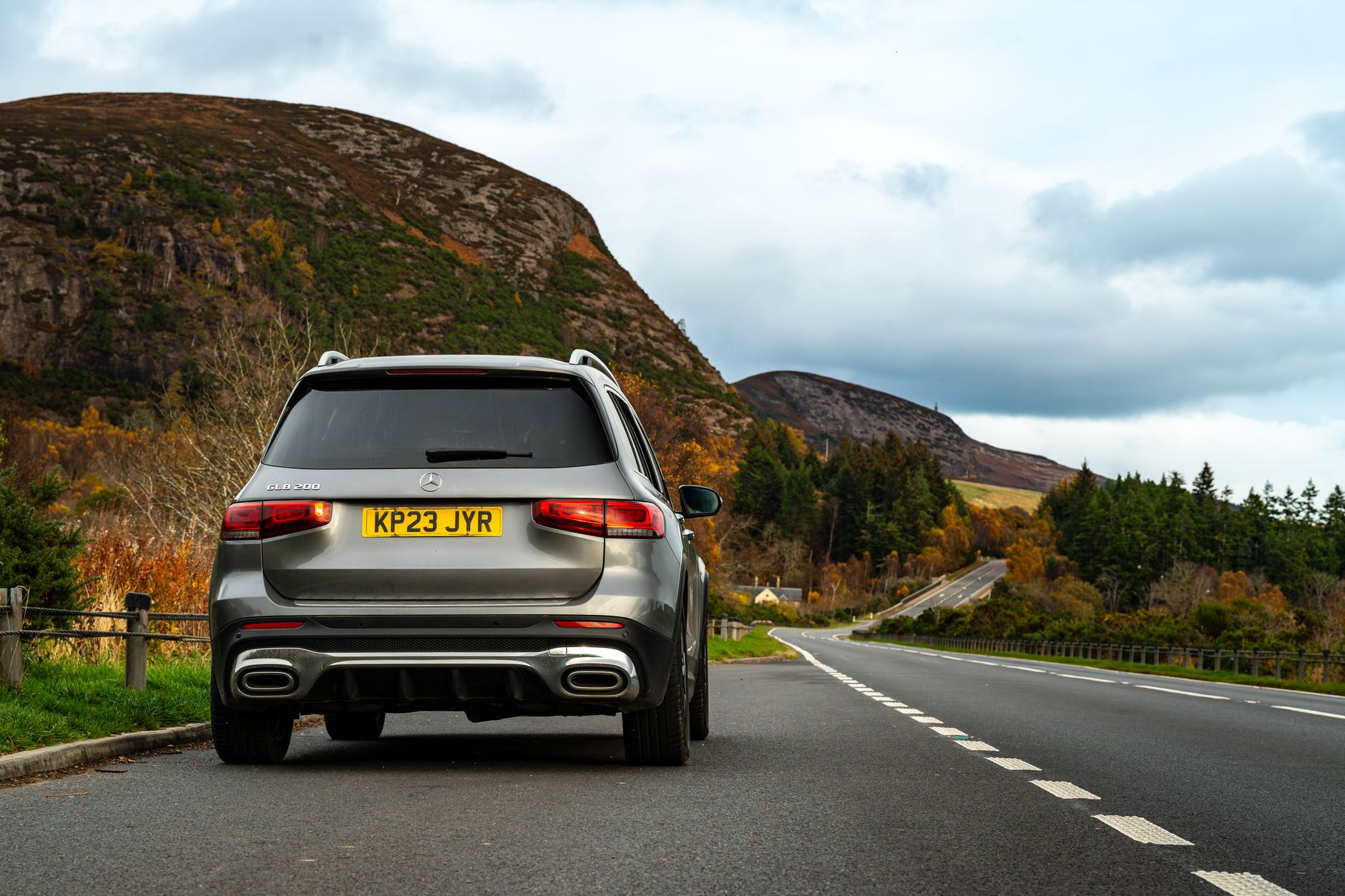
Aston Martin has introduced the 2027 DBX GT, combining the DBX S’s 717-hp V-8 with softer suspension tuning and a more luxurious cabin.
The GT does not create its more comfort-oriented identity by stepping down to a less powerful engine. It retains the same 717-horsepower twin-turbocharged V-8 as the DBX S, keeping the two versions closely connected at the core of their performance hardware.
That shared output makes the 717-hp Aston Martin DBX S the relevant point of comparison. The distinction is primarily one of character: the S remains the sharper reference, while the GT applies the same engine output to a vehicle tuned around greater comfort and cabin isolation.
Aston Martin has also kept the DBX S’s 13.8:1 steering ratio. Preserving that calibration is significant to the GT’s positioning because the steering has not been slowed merely to make the vehicle feel more relaxed. Instead, the changes are concentrated in how the suspension responds to imperfect pavement and how much noise reaches the occupants.
Reworked dampers target rough roads without abandoning control
The DBX GT receives a dedicated suspension setup centered on revised dampers. Their intended role is to absorb bumps more effectively on rough surfaces, giving the SUV a more compliant ride than its performance-focused relative.
Comfort tuning in a tall, powerful vehicle can create a competing demand. More compliant responses help isolate occupants from broken pavement, but excessive movement would work against confidence during faster driving. The DBX GT’s dampers are therefore calibrated to filter rough-road impacts while continuing to control the body when the pace increases.

This is a change in balance rather than a removal of the DBX’s performance character. The engine output and steering ratio carry over from the S, while the damper tuning changes how the chassis deals with the road. Drivers should consequently encounter the GT’s softer emphasis most clearly over uneven surfaces, rather than through a reduction in stated power.
The distinction also explains why horsepower alone cannot describe the difference between these two SUVs. Both deliver the same quoted output, but suspension calibration determines how road disturbances are transmitted through the vehicle and how firmly its body is managed. According to Car and Driver, the reworked dampers are specifically intended to reconcile bump absorption with body control during fast driving.
The available information does not establish that the GT duplicates every performance measurement of the DBX S. Its confirmed connection to the S is narrower and more useful for understanding its place in the range: 717 horsepower, the same quick steering ratio and a chassis given a more compliant calibration.
The cabin changes extend beyond decorative trim
The interior receives several related upgrades, with changes to the seats, materials and noise insulation. Together, they establish the GT as the more luxurious and quieter interpretation of the high-performance DBX rather than simply a differently trimmed version.
- Revised seating: New upholstery and embroidery distinguish the GT visually, while additional cushioning changes the physical construction of the seats. A 0.4-inch-thick layer of memory foam adds another comfort-focused element rather than relying solely on a different surface pattern.
- More elaborate cabin materials: Deep-pile floor mats and more opulent trim reinforce the GT’s luxury emphasis. These details do not alter its engine performance, but they make the cabin’s intended character distinct from the more overtly sporting DBX S.
- Additional sound control: Aston Martin has added sound-deadening material and improved insulation within the body structure. Acoustic laminated glass is also used for the rear side windows, addressing noise for occupants beyond the front row.
The noise-reduction work is particularly important because it complements the suspension changes rather than duplicating them. Dampers can reduce how strongly certain road inputs are felt, while insulation and laminated glass address what occupants hear. The GT’s quieter identity therefore depends on several layers of changes working in different parts of the vehicle. Motor Illustrated adds that Aston Martin reports a 13-percent improvement in its Articulation Index measurement, a gauge of how easily occupants can hold a conversation while driving.
The seat upgrades follow the same approach. New embroidery provides a visible distinction, but the extra cushioning and memory foam give the redesign a functional component. That combination separates ornamentation from comfort: the stitching changes the appearance, while the added seat material changes the interface between the occupants and the SUV.
None of these revisions requires Aston Martin to reposition the DBX GT as a low-output luxury model. Its defining contrast is that the company has retained the S’s power and steering hardware while modifying the areas that shape everyday ride quality and cabin ambience. The result is a DBX aimed at occupants who want the 717-hp specification without making aggressive suspension tuning and a noisier interior the vehicle’s dominant traits.
Photo: Michał Robak / Pexels