


2027 Toyota Grand Highlander Woodland Adds Just 12 mm of Clearance
The new trim combines all-terrain tires and taller springs with an extensive black appearance package, but its capability changes remain relatively modest.
 By
Graham Pettigrew
By
Graham Pettigrew
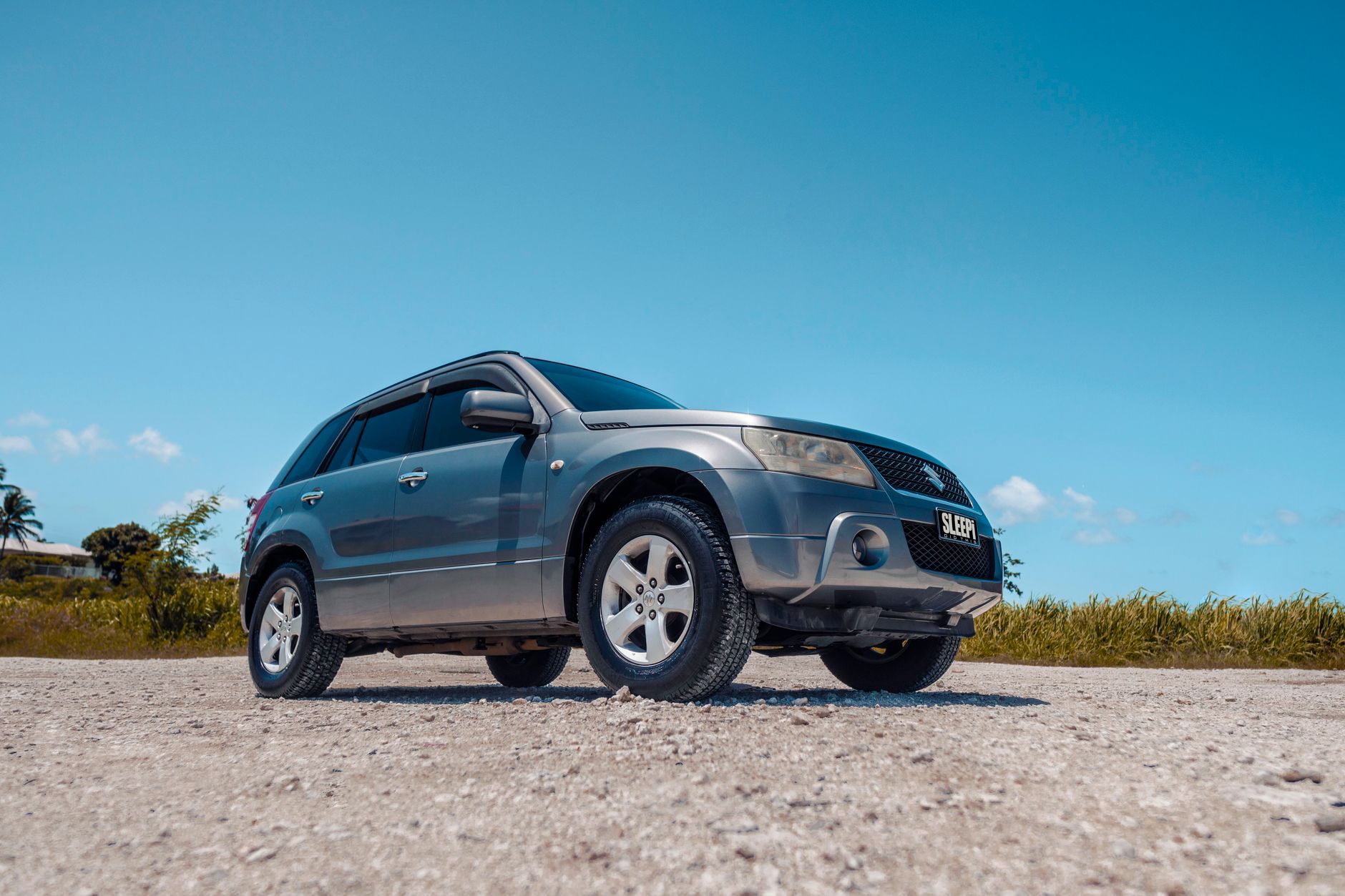
Toyota is adding a Woodland Edition to the Grand Highlander lineup for the 2027 model year, pairing modest clearance gains with darker exterior details.
The new version is available exclusively with the 245-horsepower 2.5-liter hybrid powertrain. That restriction is the first meaningful distinction for prospective buyers: Woodland is a specific hybrid configuration, not an appearance and suspension package offered across the Grand Highlander’s full powertrain range.
Its equipment follows a focused formula. Toyota combines 18-inch wheels and all-terrain tires with taller springs, then uses coordinated black trim to create a more rugged-looking exterior. The mechanical and tire changes should not be confused with the more extensive hardware found on some dedicated off-road trims, such as the low-range gearing and locking differential fitted to the 2027 Jeep Cherokee Trailhawk. No comparable drivetrain hardware has been established for the Grand Highlander Woodland Edition.
All-terrain tires and taller springs provide the functional changes
The Woodland Edition rides on matte-black 18-inch alloy wheels fitted with all-terrain tires. Compared with road-oriented tires, the all-terrain specification is the clearest indication that Toyota expects this version to encounter surfaces beyond ordinary pavement. The smaller visual emphasis is on wheel finish, while the tire type is the part that directly changes the vehicle’s contact with the ground.
Toyota also installs taller springs. Together, the springs and tires increase ground clearance by 12 mm compared with other Grand Highlander models. That equals slightly less than half an inch, so the dimensional change is useful but limited. It creates additional space beneath the SUV for uneven tracks, shallow ruts and raised surfaces without turning the three-row vehicle into a fundamentally different class of off-roader.
The way Toyota attributes the increase matters. The extra clearance does not come from the suspension alone; it results from the combination of the taller springs and the all-terrain tires. Replacing the factory tire specification later could therefore affect the amount of clearance available, depending on the dimensions of the replacement tire.
Those two changes, tires and ride height, define the documented capability upgrade. They can be relevant on gravel, dirt or poorly maintained access roads, where tire choice and underbody clearance matter more than black trim. However, a 12 mm increase does not by itself establish traction performance, obstacle clearance under every condition or a particular level of off-road ability.

That makes the Woodland Edition better understood as a Grand Highlander adapted for occasional travel away from smooth pavement rather than a separate, comprehensively reengineered off-road model. Its 245-hp hybrid-only configuration further defines the proposition: buyers do not choose the Woodland package independently of its powertrain.
Black details build a coordinated Woodland appearance
The remainder of the exterior treatment is visual. According to the Toyota announcement, the Woodland Edition receives a collection of black components intended to work with its matte-black wheels:
- black exterior badges;
- black accent trim around the headlights and windows;
- black roof rails;
- black mirror caps;
- a black shark-fin antenna.
Applying the same dark finish across badges, upper-body fittings and surrounding trim gives the model a more unified appearance than changing the wheels alone. The treatment also avoids implying a new body design. The documented differences concern finishes and trim pieces rather than reshaped exterior panels.
There is an important separation between what these details communicate and what they do. The roof rails are exterior equipment, but the badges, mirror caps, antenna and dark trim primarily establish the Woodland Edition’s identity. Its tangible changes for unpaved travel remain the all-terrain tires, taller springs and resulting 12 mm increase in ground clearance.
How different is it from another Grand Highlander?
The Woodland Edition’s significance depends on what a buyer expects from the name. Relative to another Grand Highlander, it brings a defined set of changes rather than a wholesale mechanical transformation. The most consequential differences are concentrated where the vehicle meets the road and in the space beneath it. The rest create a visual distinction that makes those functional changes apparent from outside.
For buyers who already want the 245-hp 2.5-liter hybrid, the trim adds factory-installed all-terrain tires and a small but measurable increase in clearance. Buyers seeking a different Grand Highlander powertrain cannot combine it with the Woodland Edition based on the announced configuration. Car and Driver adds that the Woodland’s tow rating drops to 3,500 pounds, compared with a maximum of 5,000 pounds for the other two Grand Highlander engine options.
The resulting vehicle occupies a narrow position within the lineup. It is more purposefully equipped for uneven routes than Grand Highlander models without its tire and spring combination, while the documented upgrades stop short of establishing specialized off-road systems. Its darker styling is extensive, but its capability case rests on 12 mm of added clearance and all-terrain tires, not on the black appearance package.
Photo: Sleepi Alleyne / Pexels