


How to read a car battery label: CCA, CA, RC and Ah explained
Four abbreviations sit next to the brand on every 12-volt battery, and knowing which ones fit your climate and vehicle makes the right replacement easier.
 By
Renée Castellano
By
Renée Castellano
In brief
- CCA is measured at 0 °F and CA at 32 °F, so the CA figure always reads higher.
- Reserve capacity counts minutes of accessory power at a 25-amp draw.
- Amp hours matter most for RVs and boats, not daily drivers.
- The EPA sets US battery label requirements; other groups issue voluntary guidelines.
The four abbreviations printed beside the brand and part number on a car battery, CCA, CA, RC and Ah, are mandatory ratings, and two of them usually decide whether a replacement suits your vehicle: cold-weather starting power and reserve capacity. Manufacturers may style the label however they like, choosing the font, size and color, but each code carries the same meaning from one brand to the next.
Start with the battery type, not the numbers
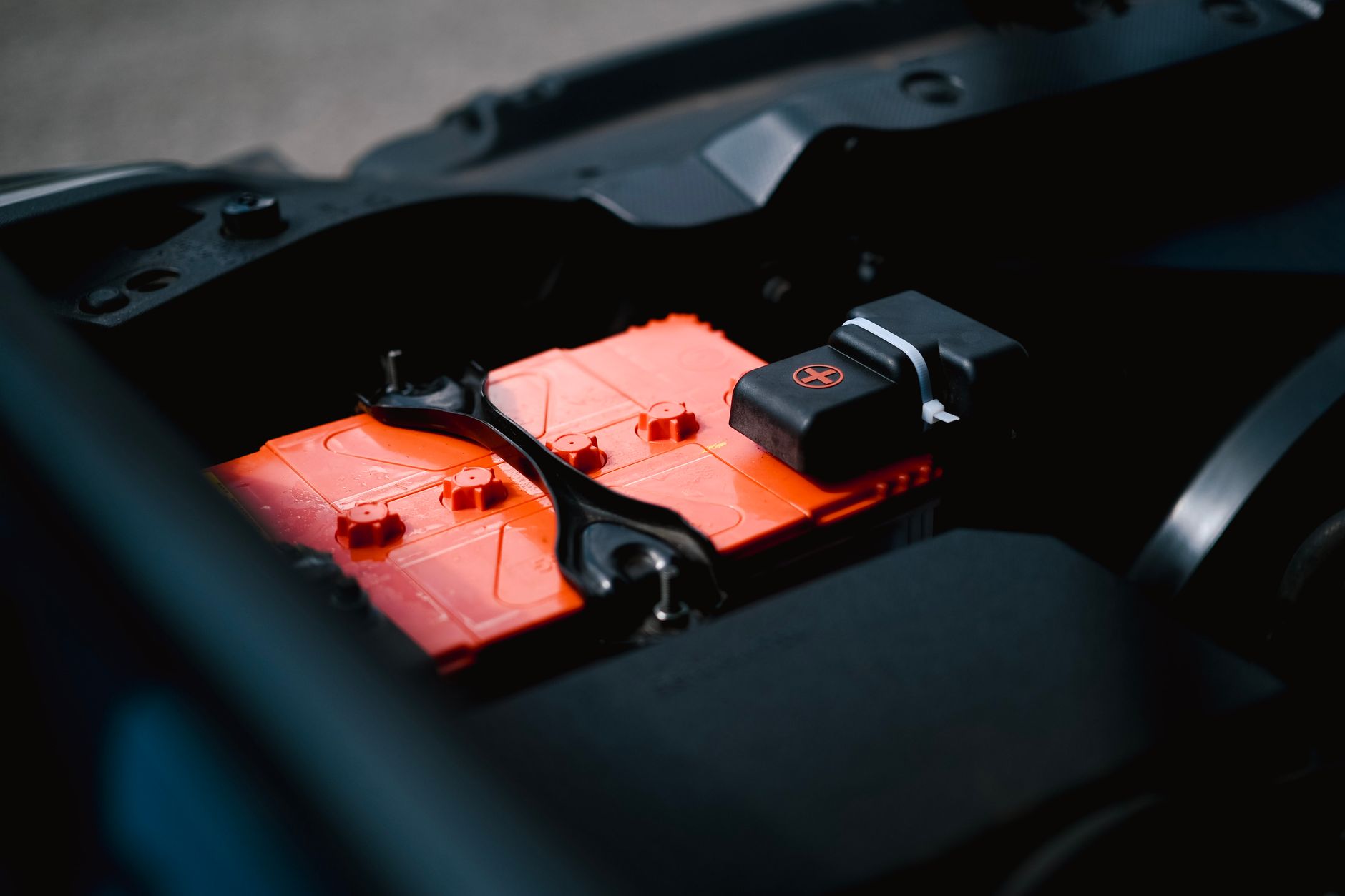
Every vehicle on the road, whether it burns fuel or runs on electricity, relies on a 12-volt starter battery, the black box most owners recognize under the hood. Most of these units use lead-acid construction or absorbent glass mat technology, known as AGM. A smaller number of cars leave the factory with a lithium-ion starter battery instead.
That chemistry choice narrows the shopping list before any rating comes into play.
Cold cranking amps and cranking amps
Both of these figures describe how much current a battery can push to the starter, but they are tested at different temperatures, which is why the numbers never match.
| Rating | Test temperature | Where it matters most |
|---|---|---|
| CCA (cold cranking amps) | 0 °F | Cold starts, especially in large SUVs and trucks |
| CA (cranking amps) | 32 °F | Milder conditions; always the higher of the two figures |
A strong CCA rating pays off when winter mornings force the battery to work harder. In warm regions, or for a small car, it carries less weight in the decision. The CA number always exceeds the CCA because a battery delivers more current when it is warmer.

Heat has its own cost, though. A single hot afternoon will not affect performance, but months of sustained high temperatures gradually wear a battery down and shorten its service life.
Reserve capacity and amp hours: two ways to measure staying power
Reserve capacity, labeled RC, answers a different question: how long can a fully charged 12-volt battery keep supplying 25 amps before its voltage drops below 10.5 volts? The answer is given in minutes, so an RC of 100 means roughly 100 minutes of power for the accessories. That covers lights, the radio, the infotainment screen and phone charging. Jalopnik recommends leaning toward a higher RC, particularly for modern cars packed with electronics.
Amp hours, or Ah, describe how much charge a battery can store and release over time. The figure is less rigid than the cranking ratings. In theory, a 100 Ah battery could deliver 5 amps for 20 hours or 50 amps for two hours. This rating is most useful for equipment and vehicles that draw steady power for long stretches, such as RVs and boats. Everyday commuter cars generally do not need that kind of deep-cycle capability.
Who regulates the label, and what else to weigh
In the United States, the Environmental Protection Agency sets the labeling requirements. Several organizations add voluntary guidelines on top:
- SAE International
- Battery Council International (BCI)
- National Fire Protection Association (NFPA)
- American National Standards Institute (ANSI)
- UL Solutions
The EPA publishes a 27-page summary of its battery labeling standards. Beyond manufacturing details and product category, its required information includes capacity, chemistry and hazardous materials.
The ratings are only part of the choice. Physical size, the specific vehicle, the climate where the battery will operate and how long you expect to use it all belong in the comparison. One detail shoppers often look for is not guaranteed: an expiration date does not have to appear on the label at all, and it should not be confused with the warranty term.
Photo: Ayyeee Ayyeee / Pexels