
GM executive recalls taking her grandmother’s car keys and says autonomy could spare families that moment
Jaclyn McQuaid, who leads vehicle products at GM, describes an owned self-driving car as a way to preserve independence for aging relatives. She says she does not know when a wheel-free GM will exist.
 By
Avi Cohen
In brief
- GM’s Jaclyn McQuaid spoke on The Drive’s podcast, The Drivecast.
- She says GM is working hard toward autonomy that spares families from taking away loved ones’ independence.
- She separates city-bound robotaxis from a personal vehicle that could cross the country.
- She gives no date for a car without a steering wheel.
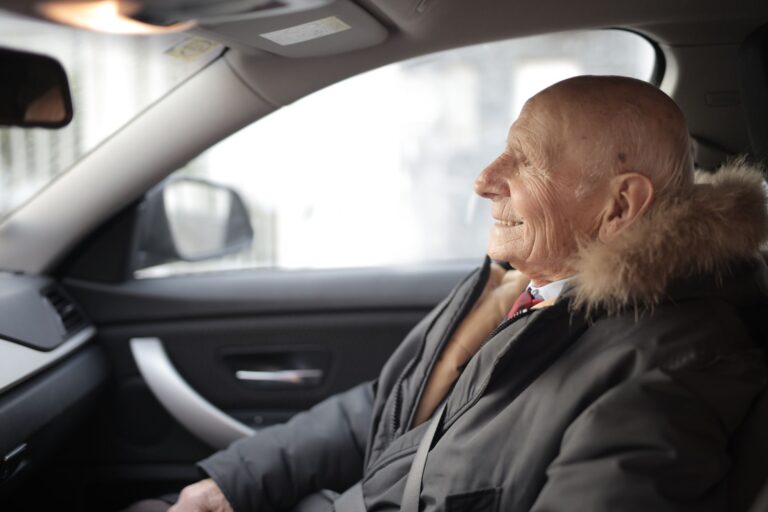
For many families, the hardest moment in a car’s life is the day someone else decides the driver should stop. A senior General Motors executive says she has lived it, and that it shapes how she thinks about the company’s self-driving work.
Jaclyn McQuaid, Senior Vice President of Vehicle Products at GM, appeared on the latest episode of The Drivecast, a podcast from The Drive. Asked whether a GM vehicle might one day have no steering wheel, she answered that she envisions such a day, and then turned to her family.
“I still remember the day I had to take the car keys away from my grandma, and she lost her independence.”
Jaclyn McQuaid, Senior Vice President of Vehicle Products at General Motors
The ambition is not close. McQuaid said a wheel-free future could absolutely arrive at some point, but added, “I don’t know when.” The Drive’s own reading is that it is not happening tomorrow.
Autonomy as a way to keep independence
McQuaid framed the goal in terms of the people who would be affected. She said she would love a day when autonomy reaches the point where families no longer have to remove that level of independence from the people they love, and where the vehicle can be trusted to do exactly what it needs to do for them. In her words, it is something GM is working really hard towards.
She also placed it in a wider context: the advancement of societal needs and the role General Motors can play in giving people back what they were at risk of losing as the years passed.
Then she made it personal. She said she is proud of GM’s work on personal autonomy and thinks it could have a role for her one day as she ages, along with many others. GM, she said, is giving people back their livelihood.
That is an aspiration, not a result. The interview offers no technical specifications, safety data, regulatory approvals or pricing for such a vehicle, so nothing in it shows that older drivers would in fact keep their independence.
Why a robotaxi is not what she means
Self-driving cars already carry passengers. Robotaxis such as Waymo operate today in multiple cities, but McQuaid noted that they stay inside those cities, and that is not the future she is describing. For how that service has fared on public roads, see this report on a Waymo pulled over with no driver.
Her picture is of an owned car. Someone in New York could tell it they want to visit a daughter who lives in LA, and it would take them across the country. The same vehicle could collect dry cleaning or pick a dog up from daycare, going wherever its owner wants.
Where Mission Mode fits
According to The Drive, what McQuaid described is the technology that GM Chief Product Officer Sterling Anderson calls “Mission Mode.” It is presented as the next stage after GM’s eyes-off self-driving system moves beyond highways. No timeline for Mission Mode has been given.
The article’s author adds a personal note: he is dreading the conversation in which he would have to tell his parents they should no longer drive, and he hopes the technology arrives before then. That remark is his own view, but it captures the tension McQuaid raised. Telling a parent to stop driving would feel different if they could still get from one place to another without depending on others.
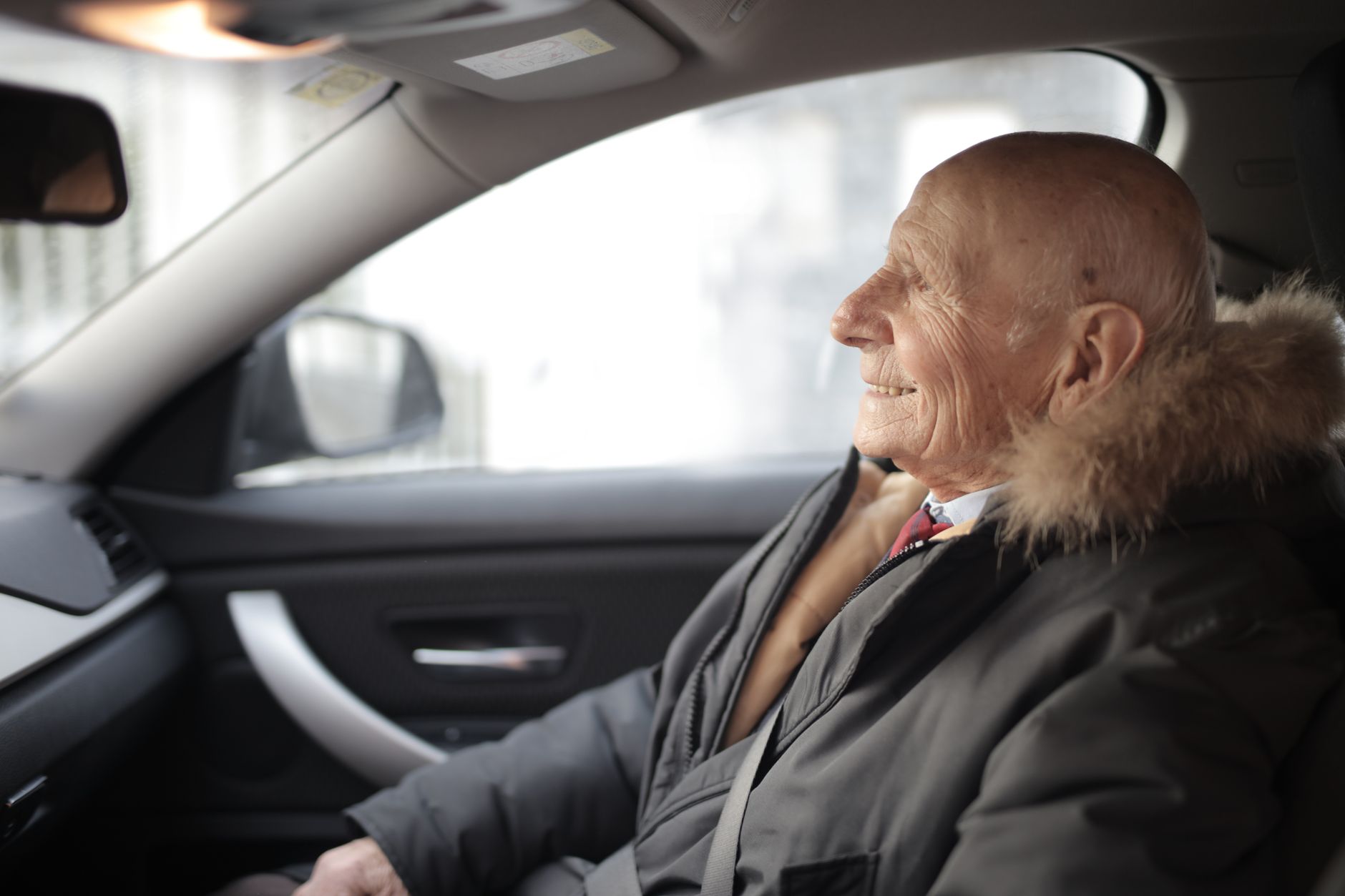
Photo: Andrea Piacquadio / Pexels
Continue reading