
Audi A8 and Porsche Panamera may share a platform and a plant
Audi’s next flagship sedan would reportedly share a platform with the next Porsche Panamera and be built in Leipzig, according to Automotive News as relayed by Road & Track and CarBuzz. No confirmation is cited.
 By
Ethan Kowalczyk
By
Ethan Kowalczyk
Audi’s next flagship sedan would reportedly be built in Leipzig and share its underpinnings with the next Porsche Panamera, according to a report relayed by Road & Track and CarBuzz. Neither source cites a confirmation from Audi, Porsche or Volkswagen, so it should be read as a report, not a decision.
In brief
- Neither source cites a confirmation from Audi, Porsche or Volkswagen, so it should be read as a report, not a decision.
- Spreading development costs across two brands can keep a car alive that might not justify a platform of its own.
- For now, the sources cite no confirmation from Audi or Porsche of the shared platform or the new plant, and a production start in 2030 or later leaves plenty of room for the plan to change.
Where the report comes from
Road & Track traces the story to Automotive News, which in turn cites the German newspaper Heilbronner Stimme. Under that account, the next A8 would most likely be assembled at a Porsche plant in Leipzig and use the same structure as the next-generation Panamera. CarBuzz, also drawing on Automotive News, adds the detail that the car would leave Audi’s Neckarsulm plant for Leipzig and run on the same line as the Panamera.
Timing is the other half of the story. The report says production plans would begin from 2030 at the earliest, and CarBuzz repeats that the move would happen no sooner than that. A buyer hoping for a new A8 soon would therefore be waiting a good while.
What sharing a platform would change
If the plan goes ahead, the A8 and the Panamera would sit on a common platform for the first time. The current A8 uses the Volkswagen Group’s MLB Evo architecture, which it shares with the previous Porsche Cayenne and the last-generation Audi Q7. CarBuzz says the two sedans would more likely share a newer architecture this time.
The two brands already work this way on another sedan pair. The electric Porsche Taycan and the Audi E-Tron GT are closely related, and Road & Track notes that the new arrangement would mirror that structure. The outlet adds that Audi’s large sedan might follow the Bentley Continental GT and Flying Spur, which already rely on engineering derived from Porsche.
For a low-volume flagship, the appeal is easy to see. Spreading development costs across two brands can keep a car alive that might not justify a platform of its own. Road & Track sees the arrangement as, in effect, a way to safeguard a top-of-the-range sedan for two of the group’s premium marques.
The question over Neckarsulm
An Audi model moving out of an Audi factory would worry the workforce, Road & Track says. It calls the shared platform a possible cost-cutting opportunity, but adds that it does not necessarily mean the plant that last built the A8 would close if large sedan production were not planned there in the near future.
CarBuzz is more pointed and says the change could put Neckarsulm at risk of closure. It describes the site as one of Audi’s oldest and most prestigious, currently building the A5, A6 and A8 and employing more than 15,000 people, and notes that job cuts and plant closures are under way across the Volkswagen Group as its divisions look to save money. That is the outlet’s reading, not an announcement.
Audi chief executive Gernot Doellner addressed the site’s outlook at a workers’ assembly at the plant, as reported by Automotive News. He said Neckarsulm has deep industrial expertise and an impressive history, but that tradition alone does not guarantee a future.
The A8 in the meantime
According to Road & Track, the current A8 is expected to end production some time next year. That would leave a three-year gap at the top of Audi’s range, and the company plans to steer customers toward its new flagship Q9 SUV in the interim. The brand has promised that the A8 will return at some point, which is what makes the new report notable.
The car’s recent history explains the uncertainty. Last March, news emerged that Audi had closed order books for the A8 in Germany. Audi USA said the sedan would remain on sale in the United States for a while but declined to comment on its future.
| Measure | Figure |
|---|---|
| A8 sales in the US last year | 1,406, down 14% from the year before |
| Q7 sales in the US last year | 18,381 |
| A8 sales in Europe through August 2026, S8 included | 966 |
Set side by side, the US figures show where buyers in this size class have been heading: the Q7 sold more than ten times as many units as the A8. CarBuzz also points out that the present generation was introduced in early 2017, went on sale later that year and received its last major facelift for model year 2022, whereas BMW and Mercedes-Benz each thoroughly refreshed their respective flagships, the 7 Series and S-Class, over the past twelve months.
Whether the Leipzig plan becomes official remains to be seen. For now, the sources cite no confirmation from Audi or Porsche of the shared platform or the new plant, and a production start in 2030 or later leaves plenty of room for the plan to change.
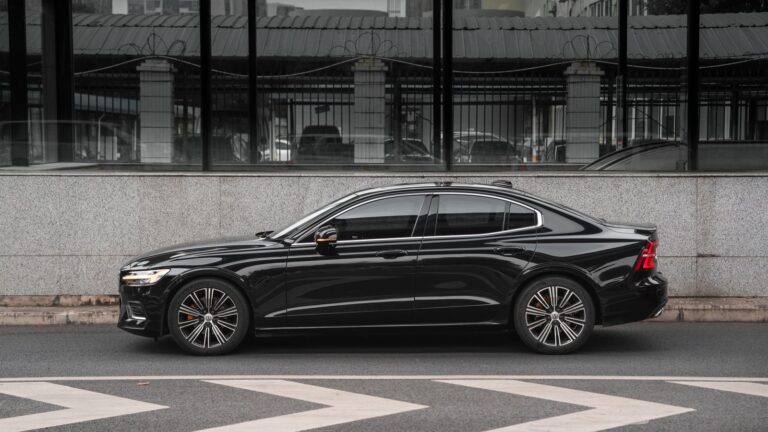
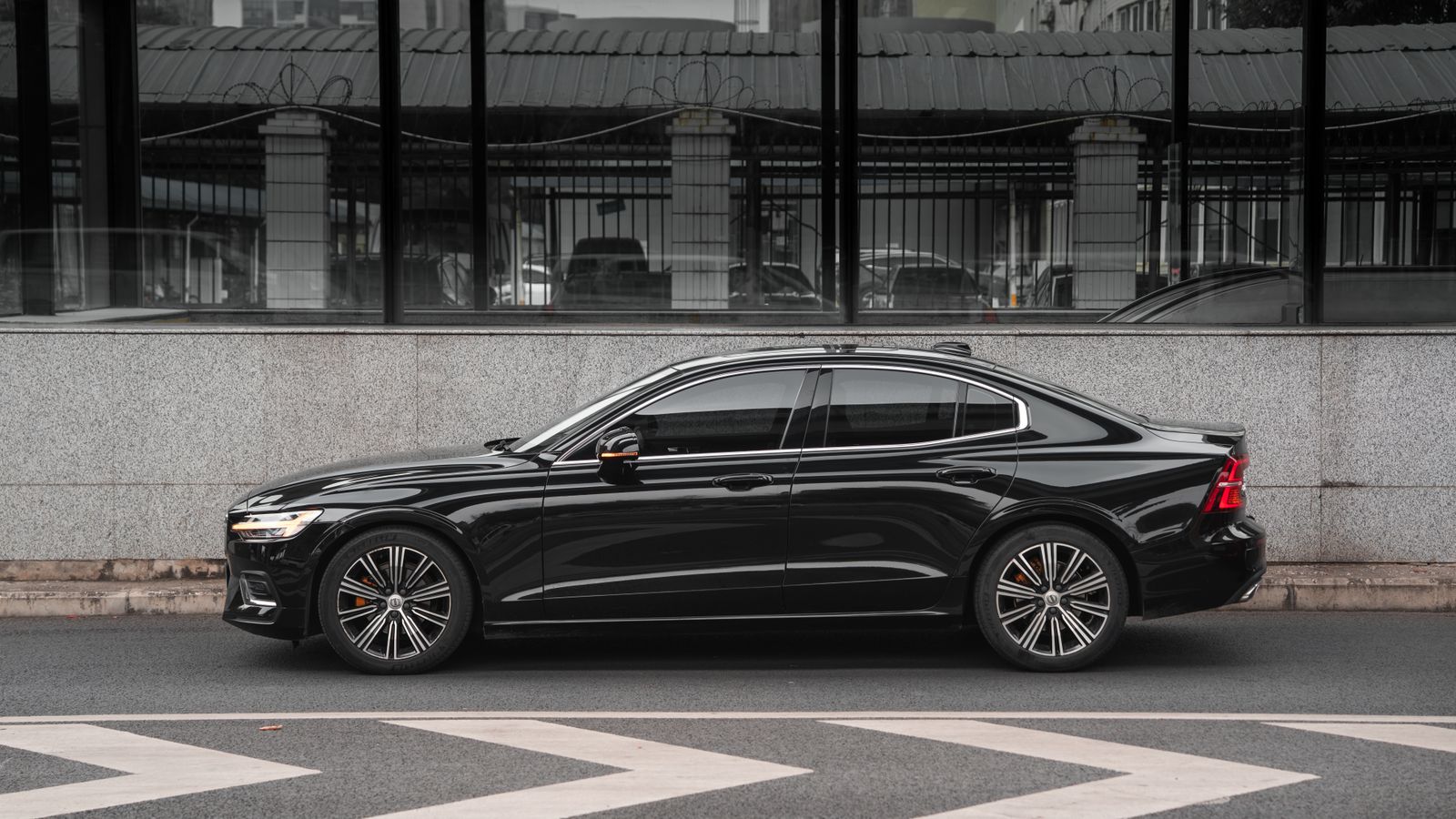
Featured image. Source: Pexels. Credit: Oli Liao. License: Pexels License.