


Car accessories that improve your driving experience
 By
Ethan Kowalczyk
By
Ethan Kowalczyk
|
IN A NUTSHELL |
|
Driving can be a routine obligation or a pleasurable escape, but the difference often comes down to what you bring into the vehicle. Evidence suggests drivers who personalize their cars with targeted car accessories report substantially greater satisfaction (about a quarter higher than those who don’t) so this isn’t mere vanity. Thoughtful upgrades improve comfort, bolster safety, and add practical features that reshape daily commutes and long trips alike. Upgraded audio and navigation systems turn a silent cabin into an immersive environment; dash cams and blind‑spot monitors provide crucial documentation and alerts that reduce risk; ergonomic seat and steering covers, organizers and sunshades limit fatigue and clutter; and performance parts like filters, tires and suspension components sharpen handling and efficiency. The choice of accessories is not just stylistic, it’s strategic. Prioritize durability, compatibility and ease of use, because the right combination can convert wasted minutes into productive, comfortable travel and marginal gains into measurable improvements in safety and enjoyment. Here’s a practical guide to the categories and criteria that matter when upgrading your ride
Enhanced audio and entertainment systems
Upgrading your car audio is not a frivolous indulgence; it is a measurable way to increase driving satisfaction and overall usability of your vehicle. Studies show drivers who customize with accessories report about a 25% increase in satisfaction, and much of that improvement ties directly to how the cabin sounds and how easily information and calls are accessed. Better sound and smarter integration reduce distraction and increase enjoyment simultaneously.
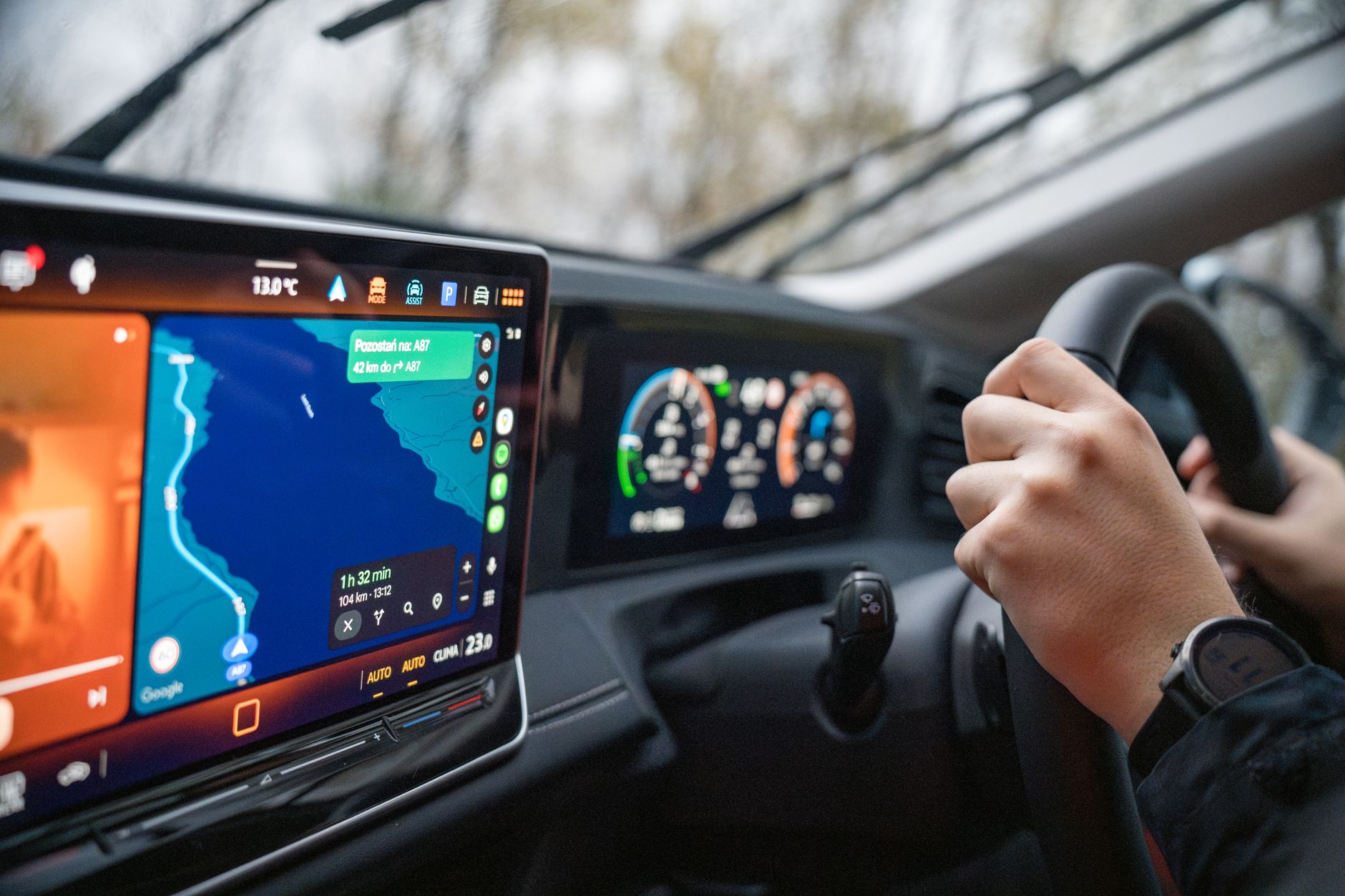
Contemporary systems go far beyond louder speakers: they provide seamless connectivity with Apple CarPlay and Android Auto, reliable navigation, and hands-free calling that keeps eyes on the road. Subwoofers, tweeters, and amplifiers each serve distinct roles in frequency balance; choosing components that match your car’s acoustic properties is essential. Practical concerns (like wiring harness compatibility and software updates) matter as much as speaker specs.
Installation and maintenance deserve an argumentative lens: either you accept the small upfront cost of professional installation to protect your car’s electrical system, or you risk short-term savings and long-term headaches. Professional installation often yields a cleaner, safer result and preserves factory warranties. Once installed, routine care (touchscreen cleaning, moderate volume use, and firmware updates) keeps the system performing. For further comparison and gear reviews consult authoritative sources such as MotorTrend and curated accessory roundups like Autospero that highlight reliable brands and models.
When arguing for an upgrade, weigh the value: assess sound quality, connectivity, and feature set against budget. If you spend long hours commuting or appreciate music fidelity, the ROI is clear. Sound quality and smart-phone integration are the two criteria that change daily driving the most, and they are the first places to invest if you want immediate, tangible benefits behind the wheel.
Driving safety and assistance accessories
Safety accessories are not optional extras; they are interventions that reduce risk and provide legal protection. Dash cams, for instance, offer incontrovertible footage after incidents and can simplify insurance claims and liability disputes. Recording your drives with a high-quality dash cam is a defensive investment that pays off when it matters most. The argument for blind spot monitors and parking sensors is similar: these devices reduce human error in situations where judgment and sightlines fail.
When selecting safety gear, prioritize video quality, wide dynamic range, and reliable parking modes. Practical features like GPS timestamps and loop recording make footage usable in investigations. Blind spot detection and backup cameras should be integrated so they do not create new distractions; usability matters. If the system complicates your driving routine, it defeats its purpose. Trusted evaluations and buyer guidance (such as analysis on safety and accessory impact) are available at Consumer Reports and specialist reviews like LeftLaneNews.
Installation of advanced systems often requires calibration and precise wiring; professional installation minimizes false alerts and missed detections. Paying for proper installation is part of the safety investment. Maintenance is straightforward (clean lenses, format memory cards, and check sensor batteries) but it must be regular. The argument is simple: safety accessories that are easy to use and well-maintained extend situational awareness and reduce accident likelihood, which justifies their cost beyond aesthetic appeal.
Finally, choose products with proven reliability and positive user feedback. Brands that focus on automotive cameras and active-safety add-ons, and reviews from reputable outlets, can guide choices and help you pick gear that meaningfully impacts your daily driving safety.
Comfort and convenience enhancements
Comfort and convenience accessories transform routine trips into less stressful, more productive time. Small, targeted upgrades (seat covers for durability and ergonomic support, steering wheel covers for improved grip, and robust phone mounts) reduce friction in everyday tasks. These upgrades are cost-effective and change the driving experience more than most people expect. The core argument is that comfort reduces cognitive load: when your body is supported and essentials are organized, your attention is more available for safe driving.
Practical organization and cleanliness also play a role in perceived value. A clean cabin reduces stress and can influence behavior; drivers who maintain organized interiors make fewer distracted adjustments while driving. If you need inspiration for specific items and tested picks, comprehensive lists such as BuzzFeed’s practical accessories and curated product roundups are useful: BuzzFeed and Autospero provide vetted suggestions.
Below is a compact table summarizing high-impact convenience items and the situations they best serve. Use this as a decision aid when prioritizing purchases.
| Accessory | Best for | Key benefit |
|---|---|---|
| Magnetic phone mount | Hands-free navigation | Stable view; quick access |
| Retractable car charger | Multiple devices | Tangle-free fast charging |
| Seat gap filler | Prevent lost items | No dropped objects between seats |
| Car trash bin | Families and commuters | Keep interior clean |
| Trunk organizer | Large cargo storage | Neat, modular storage |
Investing in a handful of well-chosen comfort accessories yields immediate benefits. Choose durable materials (leather, neoprene, or high-grade silicone) for longevity, and verify compatibility with your vehicle model before buying. Ease of cleaning and compact storage should guide your selections to ensure products are used consistently rather than stashed away.
Exterior upgrades that matter
Exterior accessories are often dismissed as cosmetic, but several upgrades produce tangible driving improvements. Wind deflectors and rain guards, for example, reduce wind noise and let you ventilate the cabin in wet weather without letting water in. Roof racks expand cargo options for recreation or work and can be the difference between a single trip and multiple inconvenient runs. These enhancements can be both functional and aesthetic, changing how practical your vehicle is for daily life and specific activities.
Material choice and fit are decisive. OEM-style fits and weather-resistant materials minimize noise, leaks, and long-term wear. When adding a roof rack or hard-mounted accessory, ensure load capacities and mounting points match your vehicle’s design; oversights here jeopardize safety. For truck owners or those considering truck-based upgrades, markets and trends are evolving rapidly, resources like LeftLaneNews cover trends in pickups and trucks that can influence accessory decisions: best pickup trucks and trucks trends.
Installation guidance matters: clean surfaces before attaching adhesive or clips, tighten fasteners and re-check them after a few trips, and confirm that any added parts do not obstruct lights or sensors. Improperly installed exterior gear creates hazards and legal exposure. Periodically inspect seals, fasteners, and finishes, salt, sun, and gravel take their toll.
Exterior upgrades also intersect with vehicle choices. If you’re evaluating vehicles for modification potential, articles on new models and utility (such as the Ford Flex overview at LeftLaneNews) help align accessory plans with the vehicle’s architecture: Ford Flex. Choose accessories that solve specific problems (noise, cargo, weather protection) rather than add parts that only change appearance.
Performance enhancement accessories and trade-offs
Performance-focused accessories promise more engaging driving, but they also require careful cost-benefit analysis. Upgrading air filters, performance tires, and suspension components can improve horsepower, handling, and ride comfort, but each upgrade introduces trade-offs in cost, compatibility, and sometimes legality. Performance gains must be weighed against maintenance, installation complexity, and local regulations.
Start with compatibility: a high-flow air filter or a sport tire must match your vehicle’s engine and wheel specifications. Professional installation is often mandatory for suspension changes or forced induction tweaks to avoid unintended consequences. When inspecting potential upgrades, prioritize reputable brands and peer-reviewed tests; deep-dive reviews from enthusiast sites and gear reviewers (such as MotorTrend’s accessory coverage) help separate marketing claims from real-world gains: MotorTrend gear reviews.
Consider the non-performance costs: more aggressive tires wear faster and can increase road noise; stiffer suspension improves cornering but may reduce comfort on rough roads. Expect trade-offs between raw performance and daily practicality. Additionally, check local regulations before major modifications, some upgrades can render a vehicle noncompliant with emissions or noise laws. Use resources that summarize legal considerations and safety impacts, including expert guides on accessory benefits: AutoArty and broad lists at LeftLaneNews for electrified vehicle considerations when adding accessories.
Finally, prioritize upgrades that deliver measurable, repeatable benefits for how you actually drive. Modest, well-engineered changes (better tires, a tuned intake, adaptive shocks) often yield the best ratio of improvement to disruption. Performance accessories are investments that should reflect your driving priorities and budget, not hobbyist impulse.
Choosing the right car accessories is not a trivial cosmetic decision; it is a strategic investment in how you experience every trip. Evidence suggests drivers who personalize their vehicles report notably higher satisfaction (roughly a quarter improvement in overall driving enjoyment) which supports the argument that small, targeted upgrades deliver measurable returns in daily comfort, focus, and confidence. Prioritizing the right categories (safety, comfort, convenience, and performance) turns a routine commute into a more efficient and less stressful activity.
Start with safety-driven additions: a reliable dash cam, parking sensors, or blind-spot alerts reduce risk and provide tangible peace of mind. Then, address comfort and convenience, phone mounts, well-fitted seat covers, and smart organizers remove friction from everyday use, keeping your attention on the road. Upgrades to audio and navigation systems can be defended not as luxury but as functional improvements that enhance situational awareness and reduce cognitive load through clear directions and hands-free control.
Argumentatively, the best purchasing strategy balances durability and compatibility with clear performance benefits. Choose materials and components that withstand temperature swings and wear, verify fit for your specific vehicle, and weigh whether professional installation is needed to preserve systems and warranties. Simpler items often yield the highest cost-benefit: a sturdy phone mount or a quality charger can deliver outsized gains in safety and convenience at low cost.
Finally, maintenance matters. Regular cleaning, firmware updates, and periodic checks keep accessories functioning and safe. If your goal is to make driving consistently more enjoyable and less taxing, prioritize accessories that demonstrably improve visibility, ergonomics, or reliability. Thoughtful selection, proper installation, and routine care together ensure that every accessory contributes to a clearer, safer, and more satisfying driving experience.
FAQ : Car Accessories That Improve Your Driving Experience
Q: What real benefit do car accessories bring to daily driving?
A: Evidence and user experience both show that well-chosen accessories turn routine commutes into more comfortable, safer, and more enjoyable journeys; investing in the right items often delivers measurable gains in driver satisfaction, comfort, and safety, so upgrading is not mere vanity, it’s practical improvement.
Q: Which inexpensive accessories give the biggest immediate impact?
A: Start with a quality phone mount, a snug steering wheel cover, and fitted seat covers; these low-cost items eliminate distractions, add comfort, and protect upholstery, small purchases with outsized returns in daily convenience and reduced stress.
Q: How should I choose a dash cam for reliable evidence and performance?
A: Prioritize video resolution, wide field of view, and features like parking mode and loop recording; a dash cam that records clear daytime and nighttime footage and offers stable power management is far more useful in disputes or accidents than a cheap unit with poor image quality.
Q: Is upgrading to a high-end car audio system worth it?
A: If you spend significant time driving and value sound quality, a high-end system is a justified investment; however, even modest upgrades that improve clarity, connectivity (Apple CarPlay/Android Auto), and speaker balance can transform in-car entertainment without a premium price tag.
Q: What safety and assistance accessories should be prioritized?
A: Invest first in dash cams, backup cameras, and blind spot detection where feasible, these features directly reduce risk by improving visibility and creating recorded evidence; they deliver clear safety advantages that outweigh cosmetic upgrades.
Q: Are performance-enhancing accessories legal and practical for everyday use?
A: Legality varies by location: some performance mods affect emissions or noise rules and may be restricted; prioritize items that safely improve handling or efficiency (like quality air filters, tires, or suspension components) and always verify local regulations before modifying.
Q: What are the key installation and maintenance rules to avoid damaging my car?
A: For electrical or structural accessories, follow manufacturer instructions, disconnect the battery when needed, use proper wiring harnesses, and consider professional installation for complex systems; maintain by cleaning lenses and screens, checking fasteners, and replacing worn parts to preserve functionality and safety.
Q: How often should I clean or service car accessories?
A: Regular maintenance is essential: clean interior covers and inserts monthly or when dirty, wipe screens with a microfiber cloth, format dash cam cards periodically, and check sensor batteries and wiring every few months, consistent care prevents failures and extends accessory lifespan.
Q: What buying factors should influence my choice of accessories?
A: Insist on compatibility with your vehicle and devices, durable materials, practical features, ease of use, and honest reviews; weigh upfront cost against long-term value, durability and real utility trump flash and low price.
Q: Which accessories offer the best combination of functionality and versatility?
A: Multi-use items like robust phone mounts, fast USB-C chargers, collapsible trunk organizers, and leakproof trash containers deliver immediate practical benefits across commuting, travel, and daily errands, making them high-value choices for most drivers.