
What 3D printing means for the future of car manufacturing
 By
Renée Castellano
By
Renée Castellano
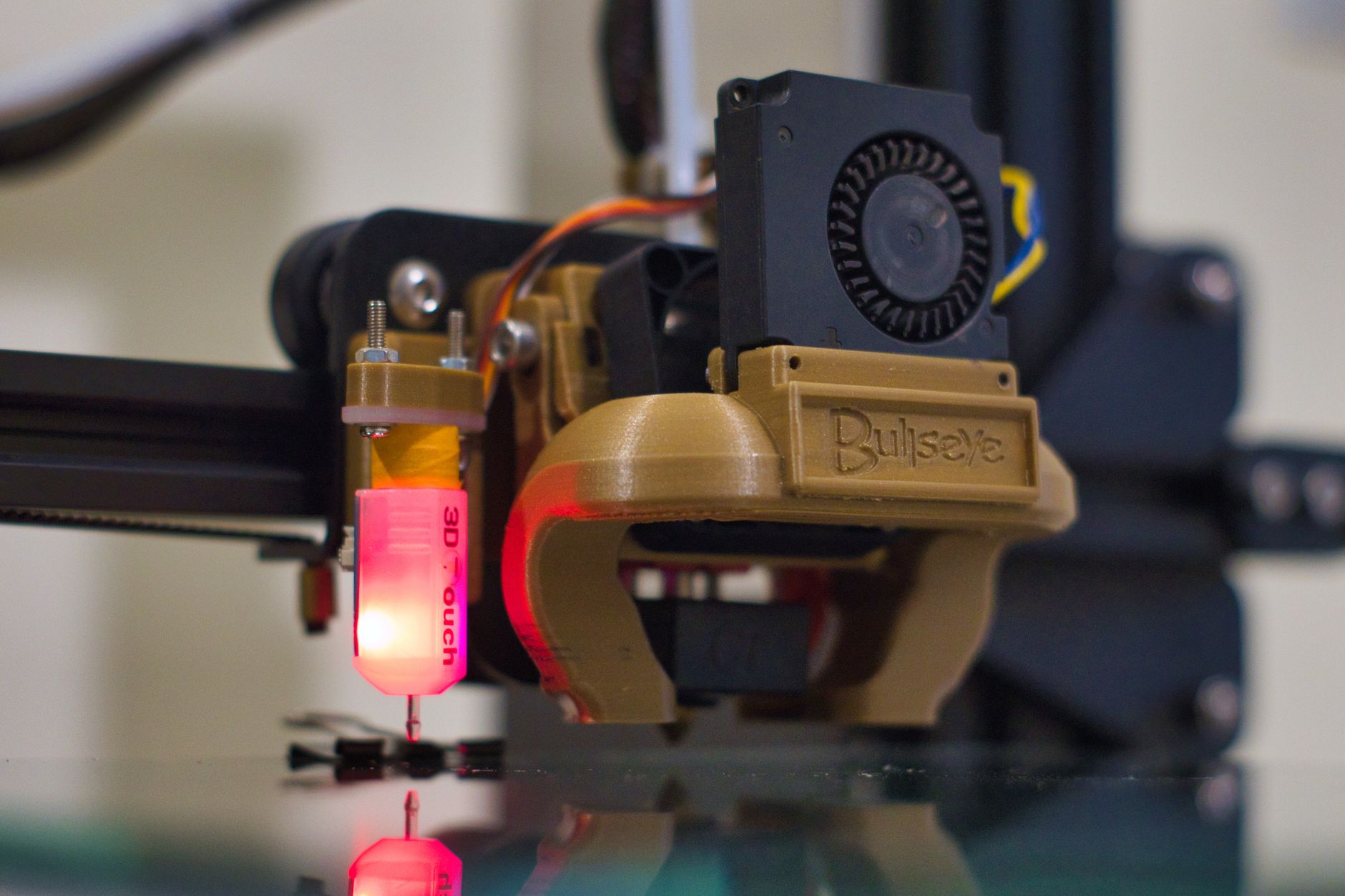
In the heart of today’s automotive upheaval, a silent revolution is underway. Instead of the familiar clangor of presses and the glow of molten steel, a new hum emerges (one of precision digital layers built in additive harmony. 3D printing is not just easing into the production lines; it’s reshaping the very soul of car manufacturing. Giants like General Motors, BMW, Ford, Volkswagen, and Audi are now combining this technology with their legacy engineering, accelerating the pace of innovation and upending supply chains once thought immutable. As brands like Stratasys, HP, D Systems, Carbon, and Desktop Metal perfect layer-by-layer production, the boundary between design and manufacture blurs. Cars are changing, personalized for each driver, lighter and greener than ever. This is the crossroads where imagination meets industry, where tomorrow’s automobile prototypes and dreams emerge together, ready to be tested, refined, and redefined. The road ahead for car manufacturing is being built) one layer at a time.
Revolutionizing Automotive Design: 3D Printing as the New Engine
Maria, an engineer at the bustling BMW Group campus, runs her fingers over a freshly printed, featherlight bracket. Not long ago, prototyping this part would require weeks of back-and-forth with suppliers and laborious revisions. Now, additive manufacturing transforms sketches into tangible components overnight. Gone are the rigid constraints of traditional tooling, 3D printing enables unprecedented automotive customization and design flexibility. Not only are complex geometries brought to life with ease, but each part can be tailored to unique performance demands or customer tastes.
| Traditional Methods | 3D Printing |
|---|---|
| High upfront costs, slow tooling | Rapid, direct from digital models |
| Limited customization | Bespoke, optimized parts |
| Material waste from machining | Minimal waste, material-efficient |
Designers at Ford sketch intricate structures previously deemed impossible. Volkswagen’s creative teams unleash a new generation of lightweight, energy-optimizing interiors and modules. 3D printing dissolves old limits, creating space for bold visions and functional revolutions on the drawing board.
Accelerating Production Cycles: From Prototype to Pavement
Step inside General Motors’ facility, and the relentless tempo of innovation is palpable. Where months once separated concepts from real-world testing, rapid prototyping through 3D printing now compresses these cycles to days, even hours. This swiftness is a critical advantage when racing against competitors in the high-stakes automotive arena.
| Process | Time with Traditional Manufacturing | Time with 3D Printing |
|---|---|---|
| Design iteration | Weeks | Days |
| Tooling development | Months | Hours/Days |
| Functional testing | Long set-up, limited tests | Frequent, rapid refinement |
For companies like Audi and startups inspired by Carbon and Desktop Metal, every saved minute on development can define success. The freedom to pivot, modify, and validate new concepts shortens the route from inspiration to action, fueling an era of relentless vehicle innovation and experimentation.
Sustainability and Cost Efficiency: Building Greener, Smarter Cars
As sustainability redefines industry priorities, 3D printing offers answers to the environmental challenge. This technology doesn’t just create auto components, it builds lighter structures for enhanced fuel efficiency and dramatically curtails excess material waste. With manufacturers such as Stratasys and HP leading material advances, some production even incorporates recycled or bio-based plastics. BMW alone produces more than 300,000 3D-printed parts each year, cutting both emissions and cost.
| Benefit | Environmental Impact | Cost Implications |
|---|---|---|
| Material efficiency | Reduces waste, less resource use | Lower raw material expense |
| On-demand production | Cuts transport emissions | No need for large stockpiles |
| Lightweighting | Better fuel economy | Enhanced vehicle performance |
By producing parts closer to their point of use, emissions from shipping are reduced, and localized manufacturing becomes viable for legacy vehicles and bespoke repairs. Each success, each kilogram of waste avoided, demonstrates why the future feels within reach, and more responsible.
Overcoming Barriers: Quality, Scale, and the Human Element
Even as additive manufacturing scales new heights, its ascent is punctuated by lingering challenges. Ensuring every 3D-printed brake assembly or dashboard trim meets uncompromising quality standards takes more than just automated printers. Automotive companies invest in new protocols, intensive testing, and deep learning to master the nuances of additively-produced materials.
Material engineers at D Systems and process experts at Stratasys tackle the limits in high-performance composites and metals, while consulting partners guide manufacturers through complex regulatory terrain. Meanwhile, the training ground is expanding; new generations of engineers learn to design for additive, not subtractive, manufacturing, reshaping workflows, mindsets, and skillsets across the entire field. The race is not just to build faster, but to certify parts that can endure years of road-wear and stress, convincing regulators and drivers alike that this future is safe as well as exciting.
Real Stories: 3D Printing in Action at Major Car Makers
Walk through Ford’s plant, and you’ll find not only prototypes, but actual 3D-printed parts on the assembly line, interior features, custom tools, even brake components. BMW’s commitment is evident in hundreds of thousands of components annually, including vital elements for electric models. For General Motors, binder jetting creates robust underbody structures for luxury vehicles, marrying precision with production speed. Startups take cues from these giants: carbon-reinforced lattice seats, customized by Carbon’s systems, and Volkswagen’s digitally orchestrated test beds point to a future where “bespoke” is routine, not rare.
| Manufacturer | 3D Printing Application | Impact |
|---|---|---|
| Ford | Prototyping, brake parts, interior components | Innovation speed, reduced tooling costs |
| BMW | Electric vehicle components, grippers | Lighter, more efficient models |
| General Motors | Binder jetting for underbodies | Material efficiency, precise builds |
| Volkswagen | Design validation, lightweighting | Enhanced sustainability |
| Audi | End-use structural elements | Custom, durable parts |
Every breakthrough tells a story of collaboration between human and machine, of the race to satisfy drivers hungry for both novelty and reliability. With each success, the legacy of auto manufacturing shifts, blending heritage with the future.
Looking Forward: The Next Chapter for Automotive Additive Manufacturing
The road ahead brims with possibilities. Experts envision IoT-connected 3D printers self-monitoring health and output, paired with AI-driven adjustments for ultimate precision and predictive maintenance. D Systems and Stratasys invest in research that broadens the spectrum of printable alloys and sustainable composites. Personalization surges: imagine a world where buying a Volkswagen or Audi includes customizing a dashboard, seat, or even a suspension component to your specific style and requirements, delivered on-demand.
Reality, however, checks the unbridled march forward with obstacles (material innovation must keep up, engineers must master new design paradigms, and factories must adapt. The persistent gap: mass production still finds its sweet spot in traditional lines, but the tipping point draws nearer with every leap in printer capability and speed. Change, as so often, will favor the brave and the visionary) those ready to rewrite the rules of the road.
Questions you may have
How does 3D printing improve sustainability in the automotive industry?
3D printing lowers material waste, cuts shipping emissions by enabling local production, and facilitates the use of recycled or bio-based materials, resulting in greener manufacturing and lighter, more efficient cars.
Can 3D-printed parts match the quality of traditional automotive components?
Through advanced testing, materials innovation by companies like D Systems, Stratasys, and Carbon, and rigorous certification, 3D-printed parts increasingly meet and even surpass traditional standards, especially for complex geometries and lightweight structures.
Which car manufacturers already use 3D printing in their production?
General Motors, BMW, Ford, Volkswagen, and Audi all integrate 3D-printing across prototyping, tooling, and even end-use vehicle parts.
Is 3D printing cost-effective for large-scale automotive production?
Currently, 3D printing excels with rapid prototyping, small batches, and highly customized parts. For mass production, the economics are improving but traditional lines still offer speed for high volumes, change is happening as technology advances.
What hurdles must be overcome for widespread automotive adoption?
Major challenges include material options for high-performance parts, skills for design-for-additive-manufacturing, ensuring consistent quality, and enabling high-volume print speeds. Training, research, and cross-industry collaboration are essential for resolving these.
Continue reading