


Understanding the basics of a car engine
 By
Graham Pettigrew
By
Graham Pettigrew
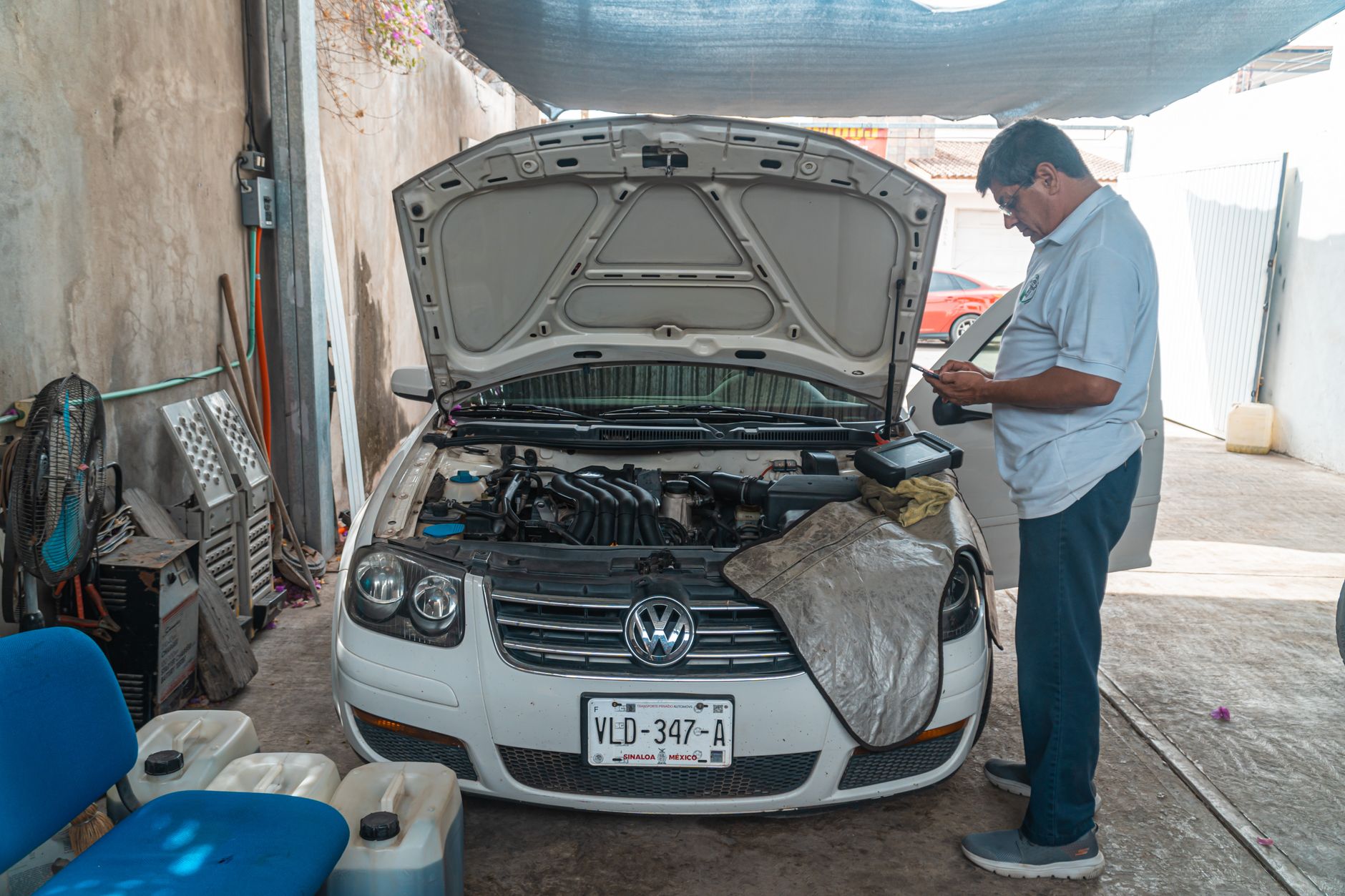
To step into the world of automotive engineering is to unlock the story humming under every hood on the road. The car engine stands as the heart of every vehicle, from the steadfast Honda and Ford sedan idling at a traffic light to the powerful roar of a Mercedes-Benz in the fast lane. In garages and driveways across the country, drivers try to unravel the sometimes-mysterious mechanics at play each time they turn their keys. Navigating terms like “combustion,” “crankshaft,” or “fuel injector,” one quickly realizes that understanding the basics of a car engine is less about memorizing jargon and more about piecing together how energy, movement, and precision fuse into the familiar drive we take for granted. This journey traces the legacy of brands like Toyota, Chevrolet, and BMW, whose innovations have made car engines both more efficient and accessible. Armed with such knowledge, anyone (from Hyundai newcomers to die-hard Volkswagen or Kia enthusiasts) can appreciate the links between daily maintenance, evolving technology, and the reliability of their car for years to come.
How Internal Combustion Engines Power Modern Cars
Imagine Emily, a first-time car owner, enchanted by her new Nissan. She soon realizes that the real magic lies not just in the smooth ride but in the meticulously orchestrated process under the hood. At the core is the internal combustion process, the technological leap that propelled brands such as Ford and Volkswagen to automotive stardom.
Unlike external combustion engines (steam-powered relics of the past) the internal combustion engine generates power by burning fuel inside its own chambers. This process involves mixing air and fuel, compressing them, and then igniting the blend. The resulting miniature explosion drives pistons up and down, turning chemical energy into mechanical power. It’s a relentless, rhythmic dance, echoed in every Chevrolet and Kia that fills highways from coast to coast.
Emily, curious to maximize her vehicle’s efficiency, learns that understanding these basics is essential for responsible ownership, and can even help drivers avoid common mistakes when buying a car.
| Engine Type | Main Features | Example Brands |
|---|---|---|
| Inline Engine | Cylinders in a straight line; compact and efficient | Toyota, BMW, Hyundai |
| V Engine | Cylinders arranged in a V shape; higher performance | Chevrolet, Mercedes-Benz, Ford |
| Boxer Engine | Horizontally opposed cylinders; smooth operation | Volkswagen, Subaru |
Decoding the Four-Stroke Cycle: The Engine’s Pulse
Every story beneath the hood starts with the four-stroke cycle: intake, compression, combustion, and exhaust. Picture a tightly choreographed ballet: with each turn of the crankshaft, the pistons draw in a perfect blend of fuel and air, compress it, set it alight with a spark, and finally expel the spent gases. This cycle repeats hundreds of times every minute, driving the unbroken journey from Nissan compact to Mercedes-Benz limousine.
Understanding this rhythm doesn’t just serve the auto-enthusiast, it shields every driver from breakdowns, much like brushing up on common engine problems before a road trip can spare untold headaches.
As brands like Toyota and Honda refine this technology, efficiency and longevity become the hallmarks of performance across every class of vehicle, from economy to luxury.
Key Engine Components That Drive Every Journey
Walk into any repair shop and you’ll hear these names recited with reverence: pistons, crankshaft, camshaft, spark plugs. Each part, engineered with precision, plays a distinct role in the engine’s symphony. For instance, pistons move up and down inside the cylinder block, translating explosions of energy into motion; the crankshaft turns this vertical movement into rotation, propelling cars like Ford and Honda forward.
The camshaft, meanwhile, orchestrates the precise timing of valves, ensuring just the right amount of fuel and air feed the engine. Spark plugs ignite the mixture within, an electric heartbeat that turns potential into kinetic energy. On any given day, a breakdown in any of these parts (like those listed in comprehensive maintenance guides) can mean the difference between smooth travels and a call for roadside assistance.
With brands like BMW and Mercedes-Benz pushing boundaries through advanced engineering, and Kia and Hyundai adopting reliable, cost-effective solutions, the balance of innovation and durability keeps everyone moving.
| Component | Function | Brands Noted for Innovation |
|---|---|---|
| Piston | Converts combustion force into movement | Honda, Toyota |
| Crankshaft | Turns piston motion into rotation | Ford, Chevrolet |
| Camshaft | Controls valve timing | Mercedes-Benz, BMW |
| Spark plugs | Ignite air-fuel mixture | Volkswagen, Kia |
Cooling and Lubrication: Safeguarding Your Engine’s Vitality
It’s late summer, and Daniel, a Volkswagen enthusiast, is preparing for a cross-country trip. He knows that beyond horsepower and responsiveness, an engine’s reliability hinges on its ability to manage heat and friction. The cooling system, working in tandem with liquid coolant and radiators, dissipates excess heat that combustion generates. Meanwhile, lubrication (thanks to the smooth flow of synthetic oil) minimizes the wear and tear on moving parts, ensuring longevity for both well-worn Hondas and pristine BMWs alike.
Neglecting these systems courts disaster, something Daniel avoids with regular checks and guidance from resources like the peak performance maintenance checklist. Maintaining these hidden protectors is essential, whether piloting a reliable Kia through city traffic or a Toyota down sunbaked highways.
In the rare event of failure, the consequences can be costly, a reminder that even minor negligence can lead to major repairs. For advice on stretching your maintenance dollars, Daniel consults tips from saving on car repairs.
Fuel, Air, and the Ignition Sequence: The Engine’s Hidden Chemistry
Julie, an experienced Hyundai driver, often reflects on the invisible teamwork between fuel and air systems whenever she notices her car’s zippy acceleration. Each drive begins with the air intake bringing in clean oxygen, which mixes with precisely measured gasoline. In engines like those crafted by Toyota and Ford, fuel injectors spray the perfect mist into each cylinder, enhancing both performance and economy.
Next, after the spark plug ignites the mixture, a rapid chain reaction spins energy into motion. The ignition coil boosts voltage for the crucial spark, ensuring each journey (be it in a Chevrolet or Mercedes-Benz) remains smooth. Modern engines, influenced by brands such as Nissan and VW, employ smart electronics to perfect this process, cutting emissions and boosting efficiency. The real-time monitoring of sensors also supports innovations in both electric and hybrid models.
This collaboration between systems safeguards reliability. Regular assessments (like those suggested when preparing for vehicle inspections) keep Julie and countless others ready for any adventure.
| System | Main Role | Component Highlight |
|---|---|---|
| Fuel Delivery | Provides fuel to combustion chamber | Fuel Pump, Injectors |
| Air Intake | Supplies clean air for combustion | Air Filter, Intake Valves |
| Ignition | Fires air/fuel mixture | Spark Plug, Ignition Coil |
Troubleshooting Performance Issues in Everyday Driving
When performance falters, drivers like Trevor (who swears by his trusty Chevrolet) learn to recognize the subtle signs: a lagging start, dwindling power, or a sputtering idle. These symptoms can stem from dirty air filters, aging spark plugs, or even fuel injectors that deliver less than peak performance. Following the steps for a thorough test drive can help uncover such issues before they escalate.
Understanding how to spot trouble can be as important as knowing the engine’s inner workings. That’s why regular checks and using expert guides to maintain resale value are essential, benefiting everyone from first-time Kia buyers to lifelong Toyota fans.
Enhancing Longevity and Efficiency Through Smart Maintenance
James, long devoted to his Ford, credits his car’s impressive mileage to a maintenance routine that blends routine care with the occasional performance tweak. He’s learned, by referencing guides on car maintenance, that timely oil changes and the use of quality filters matter just as much as high-tech upgrades. For those seeking even greater efficiency, experts advocate periodic valve checks, spark plug replacements, and investing in synthetic lubricants, steps outlined further in resources on fuel-efficient vehicles.
Looking ahead, James considers innovations like direct-injection and hybrid tech, transforming not just performance but the daily experience of driving cars from Nissan, Hyundai, or Mercedes-Benz. At the intersection of longevity and technology, trusted maintenance remains the silent hero behind every reliable journey.
James’s story, like that of millions of drivers worldwide, shows that understanding your car’s heart is more than knowledge, it’s an investment in every future mile.
| Maintenance Action | Frequency | Benefit |
|---|---|---|
| Oil Change | Every 5,000-10,000 miles | Reduces wear, removes contaminants |
| Spark Plug Replacement | Every 40,000-60,000 miles | Ensures reliable ignition |
| Air Filter Check/Change | Every 15,000-30,000 miles | Improves fuel efficiency, engine life |
| Coolant Top-Up | Annually | Prevents overheating |
Frequently Asked Questions About Car Engine Basics
What does the four-stroke cycle mean for my car?
The four-stroke cycle (intake, compression, combustion, and exhaust) is the process every modern car engine uses to turn fuel into motion. It’s central to reliable performance, and knowing about it helps car owners appreciate why maintenance matters.
How do brands like Ford, Toyota, and Honda differentiate their engines?
Each brand puts its spin on engine technology. Honda and Toyota have refined small, efficient engines, while Ford and Chevrolet focus on powerful, durable options. European brands like BMW and Mercedes-Benz are known for precision engineering and smooth delivery, and manufacturers like Hyundai and Kia blend reliability with innovation.
Why is routine maintenance critical for engine longevity?
Regular oil changes, timely part replacements, and proper coolant levels ensure the engine’s moving parts are protected from heat and friction. Skipping maintenance can lead to costly breakdowns, regardless of make or model.
Can better air filters or fuel affect engine life?
Absolutely. Clean air and high-quality fuel reduce deposits inside the engine, preventing clogs and optimizing combustion. Upgrading filters can enhance both performance and the lifespan of your vehicle, whether it’s a Volkswagen or a Mercedes-Benz.
Where can I learn more about keeping my car in top shape?
Check guides on inspection steps, read about prepping for long trips, or explore the latest technology advancements shaping the engines of tomorrow.
Continue reading