

“They Said Combustion Was Dead”: This Tiny 24-Pound Engine Just Outperformed Hydrogen and Electric Rivals (and No One Saw It Coming)
 By
Ethan Kowalczyk
By
Ethan Kowalczyk
| IN A NUTSHELL |
|
The quest for cleaner and more sustainable transportation solutions has become increasingly urgent as the world grapples with the effects of climate change. While electric and hydrogen engines are often touted as the future of sustainable transport, the internal combustion engine remains a significant player. Despite the push for alternative solutions, some innovators are focusing on revamping the traditional engine. This article delves into the current landscape of engine technology, highlighting the advancements in electric, hydrogen, and traditional combustion engines and what these developments mean for the future of transportation.
The Rise of Electric and Hydrogen Engines
The transportation industry is under immense pressure to innovate and transition to more sustainable technologies. Electric and hydrogen engines have emerged as the leading contenders in this race. Electric engines, especially plug-in hybrids, have become synonymous with modernity and luxury, largely due to the efforts of companies like Tesla. Their appeal lies not only in technological advancements but also in their representation as the future of automotive design.
Hydrogen engines, meanwhile, are gaining traction as a viable alternative, particularly in sectors where electric engines fall short. Companies like Toyota, Hyundai, and BMW are investing in hydrogen fuel-cell technology, recognizing its potential beyond passenger vehicles. These engines could revolutionize long-haul trucking and aviation, where electric engines currently face limitations. As these technologies evolve, the industry continues to weigh the benefits and challenges associated with each.
This Engine Outperforms Hydrogen Offerings
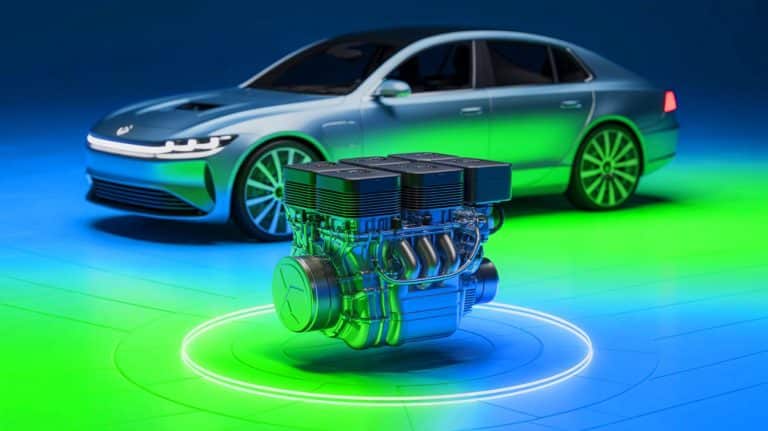
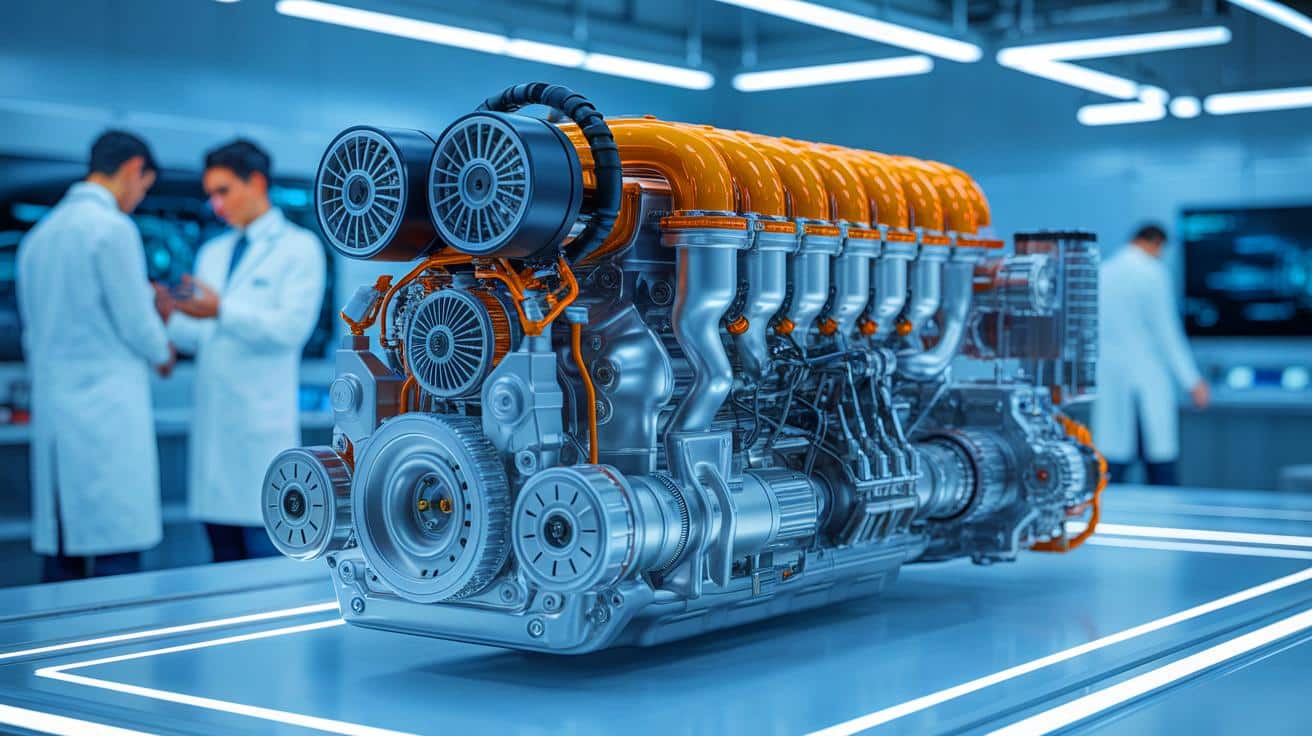
Despite the focus on alternative engines, the internal combustion engine has not been left behind. It remains dominant in the market, prompting developers to enhance its efficiency and performance. The Avadi company recently unveiled a groundbreaking design for a 250cc internal combustion engine, weighing just 24 pounds. This engine promises superior efficiency and a unique design, featuring a “halfshaft” mechanism that optimizes piston motion.
“Two connecting rods and their corresponding pinion gears reside in what we call a ‘halfshaft.’… the halfshaft can be likened to the heart of the Avadi design, it is essentially the housing where up-and-down piston motion is translated to rotational motion,” describes the Avadi website.
https://leftlanenews.com/they-laughed-at-an-ev-doing-this-chinas-yangwang-u9-just-hit-308-mph-and-shattered-bugattis-record-the-world-wasnt-ready/1969/
While internal combustion engines are traditionally more powerful than their alternative counterparts, the industry is poised for significant advancements. As efforts to achieve carbon neutrality intensify, the gap between traditional and alternative engines may narrow, leading to new breakthroughs in engine technology.
New Futuristic Developments Coming Soon
Although Avadi has yet to announce a release date for their innovative engine, other companies are forging ahead with their own plans. Toyota, for instance, has outlined its vision for a hydrogen-powered future at the 2025 Hydrogen and Fuel Cell Seminar. The company envisions hydrogen not only as a fuel for vehicles but as a pivotal energy source across multiple sectors. This approach underscores the potential for collaboration in this transformative era, urging companies to prioritize collective progress over competition.
As the landscape of engine technology continues to evolve, the role of traditional and alternative engines in the transportation ecosystem remains a topic of considerable debate. The developments from companies like Toyota and Avadi highlight the dynamic nature of this industry and the potential for groundbreaking innovations.
Balancing Sustainability and Consumer Demand
The ongoing battle between sustainability goals and consumer preferences presents a complex challenge for the transportation industry. While there is a clear push towards green technologies, the internal combustion engine continues to hold sway among consumers. This duality forces manufacturers to innovate on multiple fronts, balancing the development of new technologies with improvements to existing ones.
The evolution of engine technology is not solely about reducing emissions. It also involves enhancing performance, cost-effectiveness, and user experience. As the industry navigates these challenges, the question remains: How will manufacturers meet the diverse needs of a global market while striving for environmental sustainability?
The advancements in engine technology are reshaping the future of transportation. As the industry seeks carbon-neutral solutions, the balance between traditional and alternative engines will be crucial. With ongoing innovations in both sectors, the question arises: Will the next breakthrough come from improving existing technologies or from entirely new innovations?
Continue reading