

“German Car Giants Abandon Century-Old Rivalry”: Mercedes-Benz Begs BMW for Engines After Electric Vehicle Strategy Collapses Spectacularly
 By
Graham Pettigrew
By
Graham Pettigrew

| IN A NUTSHELL |
|
The automotive industry is witnessing an unexpected twist as two of Germany’s most iconic car manufacturers, Mercedes-Benz and BMW, consider a potential collaboration. This possible partnership involves Mercedes adopting BMW’s engines, signaling a shift in the competitive landscape. While both companies have historically been fierce rivals, they appear to be exploring a mutually beneficial arrangement in response to evolving market dynamics and consumer demands. As the automotive world closely watches this development, the implications for both brands could be significant, affecting everything from production strategies to market positioning.
Mercedes-Benz Faces Strategic Shift
Mercedes-Benz, known for its luxury and innovation, finds itself reconsidering its strategy regarding internal combustion engines. Previously, the Stuttgart-based automaker was committed to phasing out these engines in favor of electric vehicles by the end of the decade. However, market realities have forced a change in plans. The slower-than-anticipated acceptance of electric vehicles, especially in the premium segment, has led Mercedes to delay its full transition to electric powertrains.
This shift has created a predicament for Mercedes. With an ongoing need for combustion engines, the company lacks the resources to produce all the required powertrains for its diverse range of models. This shortfall has prompted Mercedes to explore alternative solutions, including collaborating with BMW, a brand with a robust engine manufacturing capability.
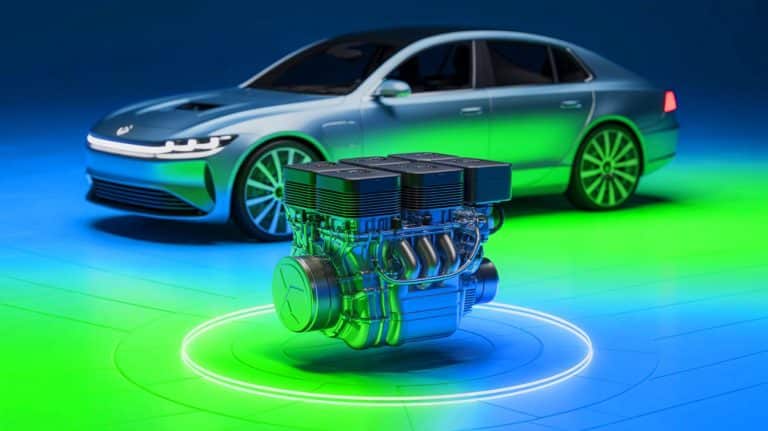
As a result, Mercedes is in talks with BMW to potentially use its four-cylinder petrol engines in future models. This collaboration could provide Mercedes with the necessary powertrains while allowing BMW to leverage its spare manufacturing capacity.
BMW’s Proven Track Record in Engine Partnerships
BMW is no stranger to engine partnerships. The company has a history of supplying engines to various automakers, including Jaguar Land Rover, Ineos, and Toyota. These collaborations have allowed BMW to optimize its production capabilities and expand its influence within the automotive industry.
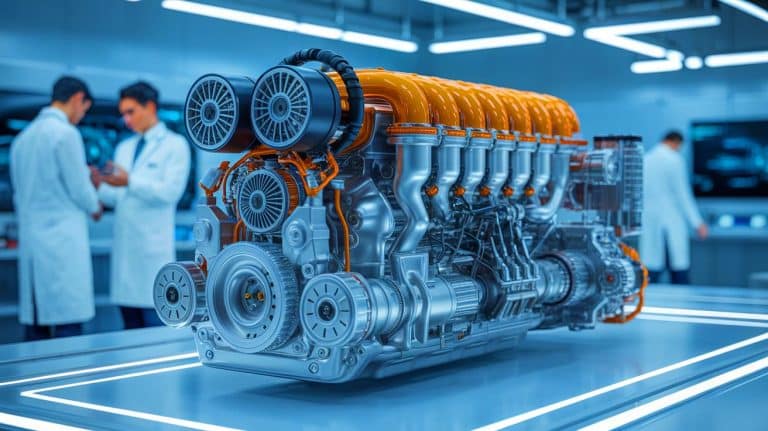
The potential partnership with Mercedes would be another step in this direction. By providing Mercedes with its B48 turbocharged 2.0-liter inline-four engine, BMW could further enhance its revenue streams and strengthen its position as a leading engine supplier. This engine is likely to be used in several Mercedes models, including the CLA, GLA, GLB, C-Class, E-Class, and GLC, as well as the future “Little G.”
For BMW, this collaboration represents an opportunity to maximize its production efficiency while maintaining its reputation for high-quality engineering. The company could also gain a competitive edge by forming alliances with other leading automakers.
Potential Benefits and Challenges for Both Companies
The proposed collaboration between Mercedes and BMW offers several potential benefits. For Mercedes, it could significantly reduce research and development costs associated with developing new four-cylinder engines. This would allow the company to focus its resources on enhancing its six- and eight-cylinder engines, which remain integral to its product lineup.
On the other hand, BMW stands to benefit from increased engine production, utilizing its manufacturing facilities more effectively. This could result in higher revenues and a stronger market presence. Additionally, the collaboration could pave the way for future joint ventures between the two companies, potentially extending beyond engine supply.
However, the partnership also presents challenges. Both companies must navigate the complexities of aligning their engineering and production processes, ensuring that engines meet Mercedes’ specific performance and quality standards.
Furthermore, the collaboration could face scrutiny from industry observers and consumers, given the historical rivalry between the two brands.
The Broader Implications for the Automotive Industry
If the collaboration between Mercedes and BMW comes to fruition, it could have far-reaching implications for the automotive industry. The partnership would signal a shift in the competitive dynamics, with traditional rivals finding common ground to address shared challenges. This could prompt other automakers to explore similar collaborations, leading to a more interconnected industry.
Moreover, the partnership could influence global production strategies. With American tariffs impacting the automotive sector, both companies might consider expanding joint production outside Europe, potentially establishing a stronger presence in the U.S. market.
As this collaboration unfolds, it raises questions about the future of the automotive industry and how traditional competitors might continue to adapt in a rapidly changing landscape. The potential for increased cooperation could redefine how automakers approach innovation and market competition.
As Mercedes-Benz and BMW continue their discussions, the automotive industry awaits the official announcement of this potential collaboration. The outcome could reshape the strategies of both companies, influencing their market positions and product offerings. How will this development impact the broader industry, and what other unexpected partnerships might emerge as automakers navigate the challenges of a changing market?
Continue reading