


Hybrid Compact SUV Interiors Revealed: See How Design Choices Transform Your Driving Experience and Comfort
 By
Keisha Holloway
By
Keisha Holloway
| IN A NUTSHELL |
|
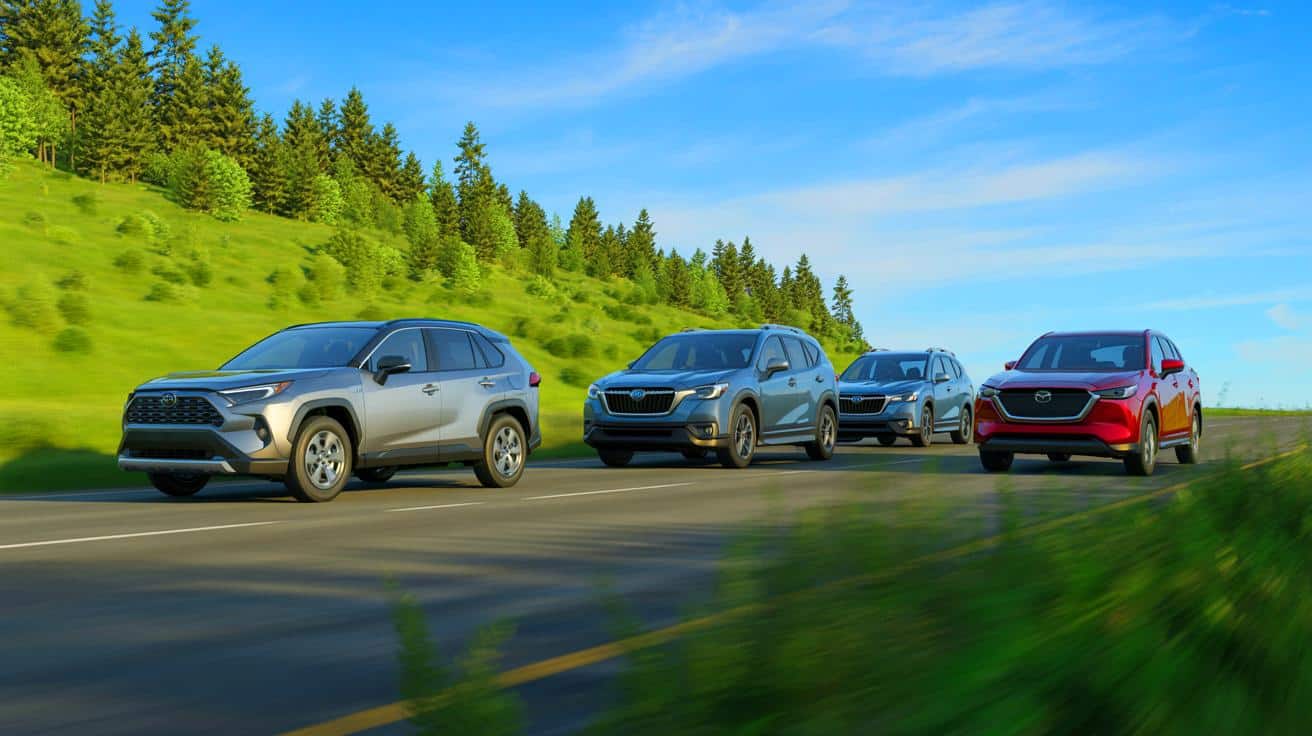
In the competitive landscape of compact SUVs, three models have frequently stood out for their design, performance, and practicality: the Toyota RAV4, Subaru Forester, and Mazda CX-50. These vehicles offer unique advantages that cater to different consumer preferences. As hybrid technology becomes increasingly important, these models also represent the future of environmentally friendly driving. Each SUV brings its own set of attributes to the table, appealing to a wide range of drivers looking for efficiency and versatility. This article examines the key features and differences among these popular hybrid compact SUVs.
Toyota RAV4: A Leader in Versatility
The Toyota RAV4 has long been a favorite in the compact SUV market. It combines a rugged exterior with a spacious, comfortable interior. The RAV4’s hybrid model continues this tradition, boasting impressive fuel efficiency and reliable performance. Drivers appreciate the RAV4’s robust build, which is complemented by a suite of safety features, making it a top choice for families.
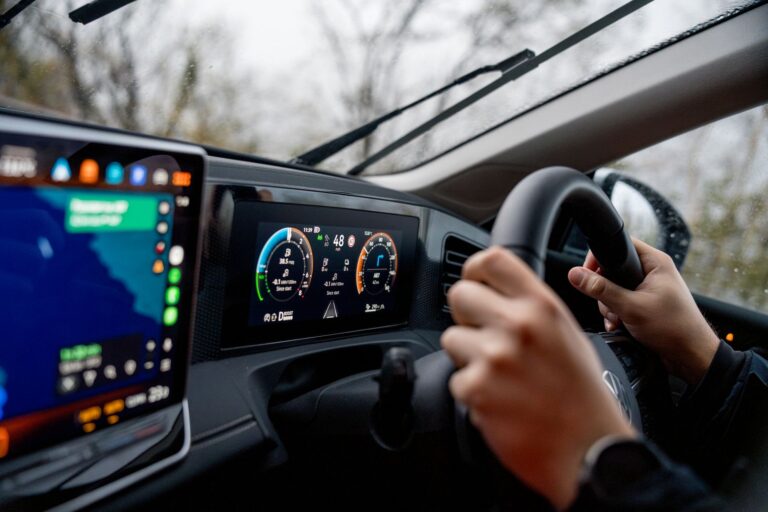
Inside, the RAV4 offers a well-thought-out cabin with ample space for passengers and cargo. The interior design focuses on functionality, providing easy-to-use controls and high-quality materials. The hybrid version does not compromise on performance, offering a smooth driving experience with a responsive powertrain. This balance of efficiency and practicality has solidified the RAV4’s reputation as an all-around solid choice for diverse driving needs.
Subaru Forester: Champion of All-Terrain Capability
The Subaru Forester is renowned for its off-road prowess and all-weather capability. It’s a vehicle designed to handle challenging terrains with ease, thanks to Subaru’s symmetrical all-wheel-drive system. This system is a standout feature that gives the Forester an edge in environments where traction is critical.
Beyond its rugged capabilities, the Forester provides a comfortable and secure ride. The interior is spacious, with a focus on visibility and passenger comfort. Subaru has integrated advanced safety features, enhancing the overall driving experience. The hybrid model maintains the Forester’s reputation for reliability while improving fuel efficiency. For drivers seeking adventure without sacrificing comfort, the Forester is an appealing option.
Mazda CX-50: The Stylish and Dynamic Performer
The Mazda CX-50 is the latest addition to the compact SUV segment, bringing a fresh and stylish perspective. Known for its sleek design and dynamic performance, the CX-50 captures attention with its refined aesthetics and engaging driving dynamics. Mazda has engineered this SUV to deliver a sporty yet comfortable ride.
Inside the CX-50, Mazda emphasizes a driver-centric approach, ensuring that controls are intuitive and within easy reach. The cabin exudes quality, with premium materials and a modern design. The hybrid version of the CX-50 continues Mazda’s tradition of delivering spirited driving while offering improved fuel efficiency. For those who value style and performance in a compact SUV, the CX-50 is a compelling choice.
Comparing Features and Performance
When comparing these three hybrid compact SUVs, several key features and performance metrics come to light. The Toyota RAV4, with its balance of practicality and efficiency, offers a fuel economy of approximately 40 miles per gallon combined. The Subaru Forester, while slightly less efficient, provides unparalleled all-terrain capabilities, appealing to outdoor enthusiasts.
The Mazda CX-50, meanwhile, stands out for its stylish design and engaging driving experience. It offers a fuel economy comparable to the RAV4, making it both economical and exciting to drive. Each SUV has its own set of strengths, catering to different preferences. Whether seeking versatility, off-road capability, or style, these models provide excellent choices for today’s hybrid SUV market.
As hybrid technology continues to evolve, the competition among compact SUVs is likely to intensify. The Toyota RAV4, Subaru Forester, and Mazda CX-50 each offer unique advantages that appeal to a diverse range of drivers. As consumers increasingly prioritize sustainability and efficiency, how will these models adapt to changing demands in the automotive landscape?