

Hydraulic oil in a gearbox lacks the friction additives
Automatic transmission fluid is a hydraulic fluid, yet its friction additives mean it can serve elsewhere while hydraulic oil cannot serve a gearbox.
 By
Ethan Kowalczyk
In brief
- Transmission fluid is a kind of hydraulic fluid, alongside brake and power steering fluid.
- Some ATFs can serve in other systems, but pure hydraulic fluid should not go into a transmission.
- The wrong fluid can bring clutch slip, shifting trouble, overheating and early gear wear.
- GM, Ford and Chrysler each specify their own ATF formulas.
No, you cannot top up a transmission with ordinary hydraulic fluid. The confusion is understandable, because the fluid inside your gearbox is itself a member of the hydraulic family, as Jalopnik points out in its breakdown of the two products. Shared ancestry, though, does not make them substitutes.
One family, several specialists
Think of hydraulic fluid as a category rather than a single product. In some respects transmission fluid behaves exactly like one, and it sits next to other fluids designed for one specific system, such as brake fluid and power steering fluid.
What all of them share is a basic job description. Under pressure, a hydraulic fluid carries energy through a circuit and sets moving parts in motion. It also moves heat away, helps protect components against contamination and keeps surfaces lubricated. Transmission fluid handles every one of those tasks, then takes on several more that a generic product was never designed for.
What the extra additives do
The real dividing line is chemistry. Transmission fluid is formulated with additives chosen to support the many functions of a gearbox, and different transmission designs call for different fluids.
Temperature is a big part of the challenge. A transmission has to run reliably in severe heat and in deep cold, and each extreme changes how much friction the internal parts need. ATF therefore carries additives that manage friction at low and high speeds and across different temperature bands, something a regular hydraulic fluid cannot achieve. Mobil’s Type F ATF illustrates the point: beyond its friction modifiers, it contains compounds that raise the viscosity index, resist rust, cut wear and suppress foam.
In automatics fitted with a torque converter, the fluid has an unusual role. It keeps the engine and transmission from touching each other physically, which explains the old nickname “slushbox.”
Choosing badly carries real costs. The wrong fluid can lead to clutch slip, shifting problems, overheating and premature gear wear, and it can shorten the transmission’s working life. That warning applies even when the mistake is simply picking the wrong type of transmission fluid.
Matching the fluid to the gearbox
Viscosity, meaning how thick a fluid is, separates the main types as clearly as additives do.
| Fluid | Viscosity | Key traits |
|---|---|---|
| Automatic transmission fluid | Usually thinner, flows freely | Additives hold viscosity steady across a wide temperature range |
| Manual transmission fluid | Thicker than ATF | Additives built for higher friction and pressure |
| ATF variants | Depends on design | Separate formulas exist for dual-clutch, CVT and step-type automatics |
Buying the right bottle
Major automakers each specify their own recipe:
- GM relies on successive versions of Dexron, with Dexron VI among the latest.
- Ford uses Mercon for current models and Type F for older classics.
- Chrysler specifies ATF+4.
Shelves also carry multi-vehicle ATFs meant for many brands.
Multi-vehicle ATFs are sold to cover a range of makes, including Japanese and European carmakers.
Jalopnik advises skipping them whenever the fluid specified for your particular car is available.
Getting the fluid right is one of several common car maintenance mistakes owners can sidestep with a little care.
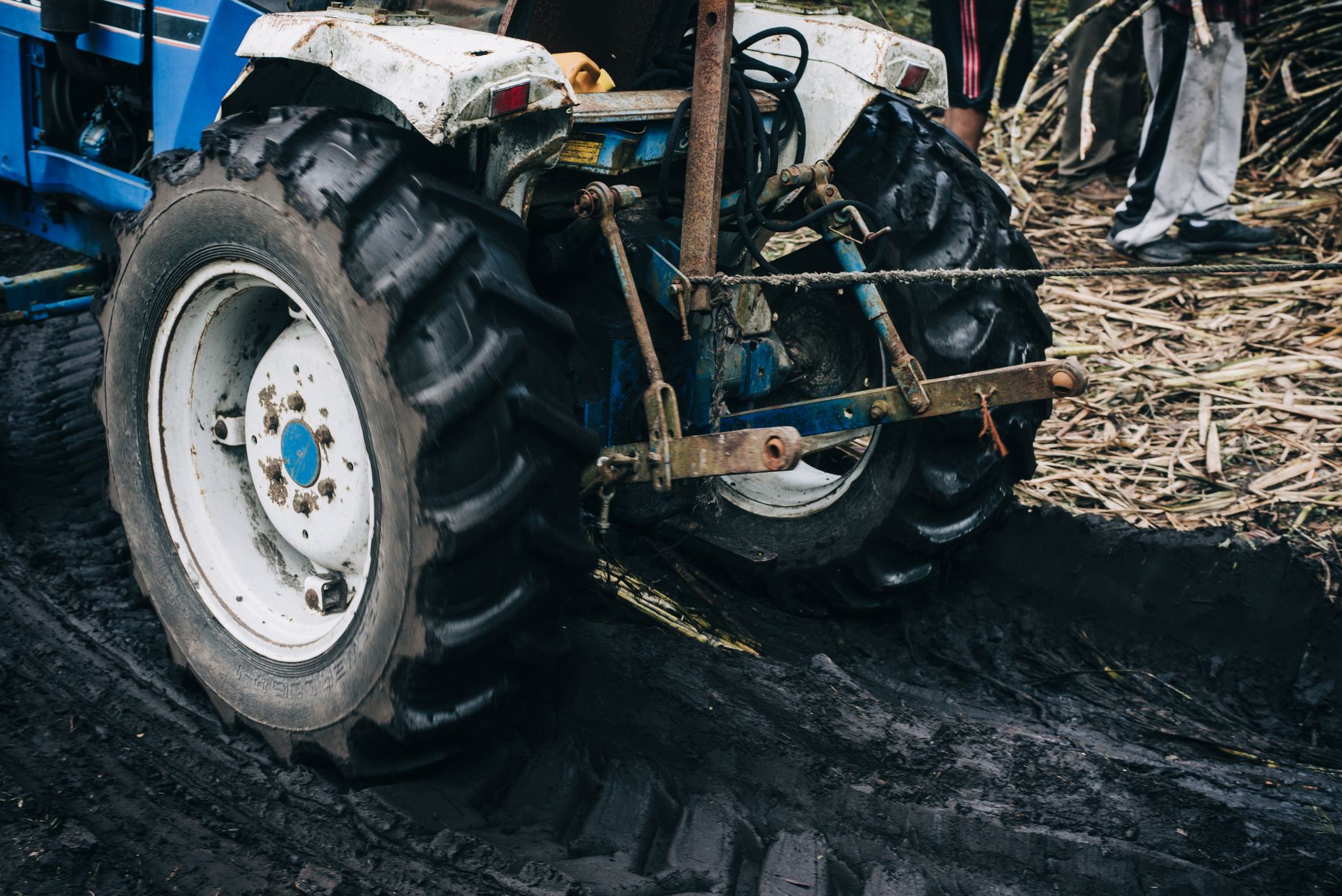
ATF’s versatility shows up beyond passenger cars, too. Power steering pumps, off-highway gearboxes and agricultural hydraulic equipment can all run on it. John Deere even sells a combined hydraulic and transmission fluid intended for several tractor systems, wet brakes and clutches among them.
Photo: Adrienne Andersen / Pexels