
Close Menu
  • Featured
    • News
    • Advice
    • Electric
    • Engines
    • Future
    • Supercars
    • Trucks & SUVs
  • About Us
  • Advertise
  • Contact Us

Subscribe to Our Newsletter

News, investigations, and analysis — our top stories every morning to start your day right.

Trending
discover top car accessories designed to enhance your driving experience with comfort, safety, and style.
Car accessories that improve your driving experience
learn effective tips and strategies to sell your car quickly and safely, ensuring a smooth and secure transaction every time.
How to sell your car quickly and safely
explore how autonomous cars are set to transform transportation, reshape cities, and influence the future of mobility and safety.
The impact of autonomous cars on the future
Facebook X (Twitter) YouTube TikTok
LeftLaneNews
Facebook X (Twitter) YouTube TikTok
Subscribe
  • Featured
  • News
    Illustration of the 2026 Kia K4 hatchback showcasing its competitive pricing and performance features.

    Kia K4 Hatch Price Revealed: Costs More Than Sedan, Sparks Curiosity with Its Competitive Edge Over Civic

    12/19/2025
    Illustration of Car and Driver's annual 10Best Cars list showcasing top automotive models through the decades.

    Car and Driver’s 10Best List Reveals Decades of Automotive Excellence, Inspiring Car Enthusiasts Across Generations

    12/17/2025
    Illustration of Volkswagen selling its majority stake in Italdesign to UST, a U.S.-based AI company.

    Audi’s Bold Move: Selling Italdesign Stake to U.S. AI Firm Redefines Automotive Innovation Landscape

    12/13/2025
    Illustration of the Oscar Mayer Wienermobile with its iconic hot dog shape driving on a scenic road.

    Oscar Mayer Seeks New Wienermobile Drivers, Offering a Unique Opportunity to Hit the Road and Make Memories

    12/11/2025
    Illustration of the Airstream Stetson 6666 Edition trailer, featuring cowboy-themed design elements and luxurious interiors.

    Airstream Stetson 6666 Edition Reveals a Western Twist in Modern Travel, Blending Tradition with Comfort

    12/06/2025
  • Advice
    discover top car accessories designed to enhance your driving experience with comfort, safety, and style.

    Car accessories that improve your driving experience

    06/02/2026
    learn effective tips and strategies to sell your car quickly and safely, ensuring a smooth and secure transaction every time.

    How to sell your car quickly and safely

    05/26/2026
    discover why selecting the right tires is essential for your car's safety, performance, and fuel efficiency. learn how to make the best choice for your driving needs.

    Why choosing the right tires matters for your car

    05/12/2026
    learn key tips and signs to identify a trustworthy and reliable mechanic for your vehicle maintenance and repairs.

    How to spot a reliable mechanic

    05/05/2026
    discover the key benefits of regular car servicing, including improved vehicle performance, enhanced safety, and cost savings on repairs.

    The benefits of regular car servicing

    04/28/2026
  • Electric
    Illustration of the electric Moke cruising along a California beach, blending vintage charm with modern technology.

    Mini EV Moke Returns to California: High Price Sparks Debate on Affordability and Future of Electric Vehicles

    12/13/2025
    Illustration of the 2027 Mercedes-Benz CLA220 Hybrid showcasing its elegant design and advanced hybrid technology.

    Mercedes-Benz CLA220 Hybrid 2027 Photos Reveal Stylish Design, Eco-Friendly Features Transforming the Future of Driving

    12/10/2025
    Illustration of the 2027 Mercedes-Benz GLB with its new electric powertrains and advanced technology features.

    Mercedes-Benz GLB 2027 Unveils Electric Power and Screen Innovations, Transforming the Driving Experience

    12/09/2025
    Illustration of the 2027 BMW iX3 SUV showcasing its modern design and electric capabilities.

    2027 BMW iX3 Transforms the Electric SUV Market with Unmatched Features and Pricing, Sparking Consumer Excitement

    12/05/2025
    Illustration of the 2027 BMW iX3 electric SUV showcasing its innovative design and advanced technology.

    BMW iX3 Drive 2027: How the Neue Klasse Revolutionizes Electric Vehicles with Style and Innovation

    12/04/2025
  • Engines
    Illustration of the Boreham Motorworks Escort Mk1 RS with its high-performance, 2.1-liter, 325-hp engine.

    Boreham’s Four-Cylinder Engine Innovation Sparks New Interest, Rivals Luxury Performance with Lamborghini-Like Revs

    11/14/2025
    Illustration of the balance between traditional and alternative engine technologies in the automotive industry.

    “They Said Combustion Was Dead”: This Tiny 24-Pound Engine Just Outperformed Hydrogen and Electric Rivals (and No One Saw It Coming)

    10/14/2025
    Illustration of Germany's Hydrogen Combustion Engine Breakthrough.

    “They Didn’t See This Coming”: Germany’s Hydrogen Engine Breakthrough Shakes the Entire Electric Car Industry (and the U.S. Is Nervous)

    10/14/2025
    Illustration of Toyota's Zero-Emission Hydrogen Combustion Engine Prototype.

    “Toyota’s Hydrogen Engine That Breathes Out Water”: Japan’s Auto Giant Unveils a Zero-Emission Powerhouse Set to Challenge the Electric Vehicle Revolution

    10/14/2025
    Illustration of Ferrari's Innovative V12 'Oval-Piston' Engine Prototype.

    “Ferrari Just Broke the Rules”: New V12 ‘Oval-Piston’ Engine Defies the Electric Era (and the Industry Can’t Look Away)

    10/13/2025
  • Future
    explore how autonomous cars are set to transform transportation, reshape cities, and influence the future of mobility and safety.

    The impact of autonomous cars on the future

    05/19/2026
    explore the fascinating journey of car technology evolution, from early innovations to cutting-edge advancements shaping the future of transportation.

    The evolution of car technology over the years

    04/07/2026
    discover how electric cars are shaping the future of transportation, including advancements in technology, environmental benefits, and industry trends.

    The future of electric cars explained

    02/03/2026
    Illustration of the Scion 01 concept vehicle showcasing Toyota's innovative approach to mobility solutions.

    Toyota Brings Back Scion as Off-Road-Focused Brand, Sparking Excitement Among Adventure Enthusiasts and Car Lovers Alike

    12/18/2025
    Illustration of the Audi GT50 concept car, inspired by 1980s IMSA racers and crafted by apprentices.

    Audi’s GT50 Concept Reveals a Bold Fusion of 1980s Racing Aesthetics and Future-Forward Design for Car Enthusiasts

    12/17/2025
  • Supercars
    Illustration of a 2002 Bentley Arnage T showcasing its luxury and classic design.

    Bentley Arnage T, a 2002 Classic, Reveals the Timeless Allure and Emotional Connection of Luxury Cars

    12/08/2025
    Illustration of a 1999 Dodge Viper RT/10, showcasing its iconic design and powerful V-10 engine.

    1999 Dodge Viper Sparks Automotive Nostalgia: A Rare Find on Bring a Trailer Ignites Enthusiast Excitement

    11/30/2025
    Illustration of the Rimac Nevera electric hypercar showcasing its sleek design and advanced engineering.

    Rimac Nevera 2026 Review: How This Electric Supercar Challenges Speed Limits and Redefines Luxury Performance

    11/20/2025
    Illustration of the Czinger 21C hypercar with its innovative hybrid powertrain and unique design features.

    Czinger 21C V Max Redefines Hypercar Aesthetics with Stunning Exterior Photos, Inspiring Awe and Automotive Innovation

    11/10/2025
    Illustration of the 2026 Porsche 911 Turbo S interior showcasing luxurious design and advanced technology.

    Porsche 911 Turbo S Unveils Stunning 2026 Interior, Offering a Glimpse into the Future of Luxury Driving

    10/29/2025
  • Trucks & SUVs
    Illustration of the Ford F-150 Lightning with a range-extender plug-in hybrid system.

    Ford’s F-150 Lightning Surprises Market, Reintroduces Gas Engine: What This Means for Electric Vehicle Future

    12/16/2025
    Illustration of a Land Rover Defender Dakar D7X-R racing across the desert in the Dakar Rally.

    Land Rover Defender Dakar D7X-R Challenges the Desert: A Bold New Chapter in Off-Road Racing History

    11/29/2025
    Illustration of luxury mid-size SUVs from renowned brands like Genesis, BMW, and Porsche.

    Audi and BMW Used Luxury SUVs: Discover How These Models Transform Everyday Driving into a Premium Experience

    11/21/2025
    Illustration of the 2026 Mercedes-Benz GLE450e plug-in hybrid SUV showcasing luxury and eco-friendly features.

    Mercedes-Benz GLE-Class Hybrid 2026: How Its Eco-Friendly Features Are Transforming the Luxury SUV Experience

    11/13/2025
    Illustration of the 2026 Hyundai Palisade highlighting its design and performance features.

    Hyundai Palisade’s 2026 Model Challenges Drivers with Noticeably Slower Performance Compared to Previous Version

    11/12/2025
LeftLaneNews

Top car maintenance mistakes to avoid

Gabriel CruzGabriel Cruz03/31/20260
Share Twitter Facebook LinkedIn Telegram WhatsApp Email Copy Link
Follow Us
Google News
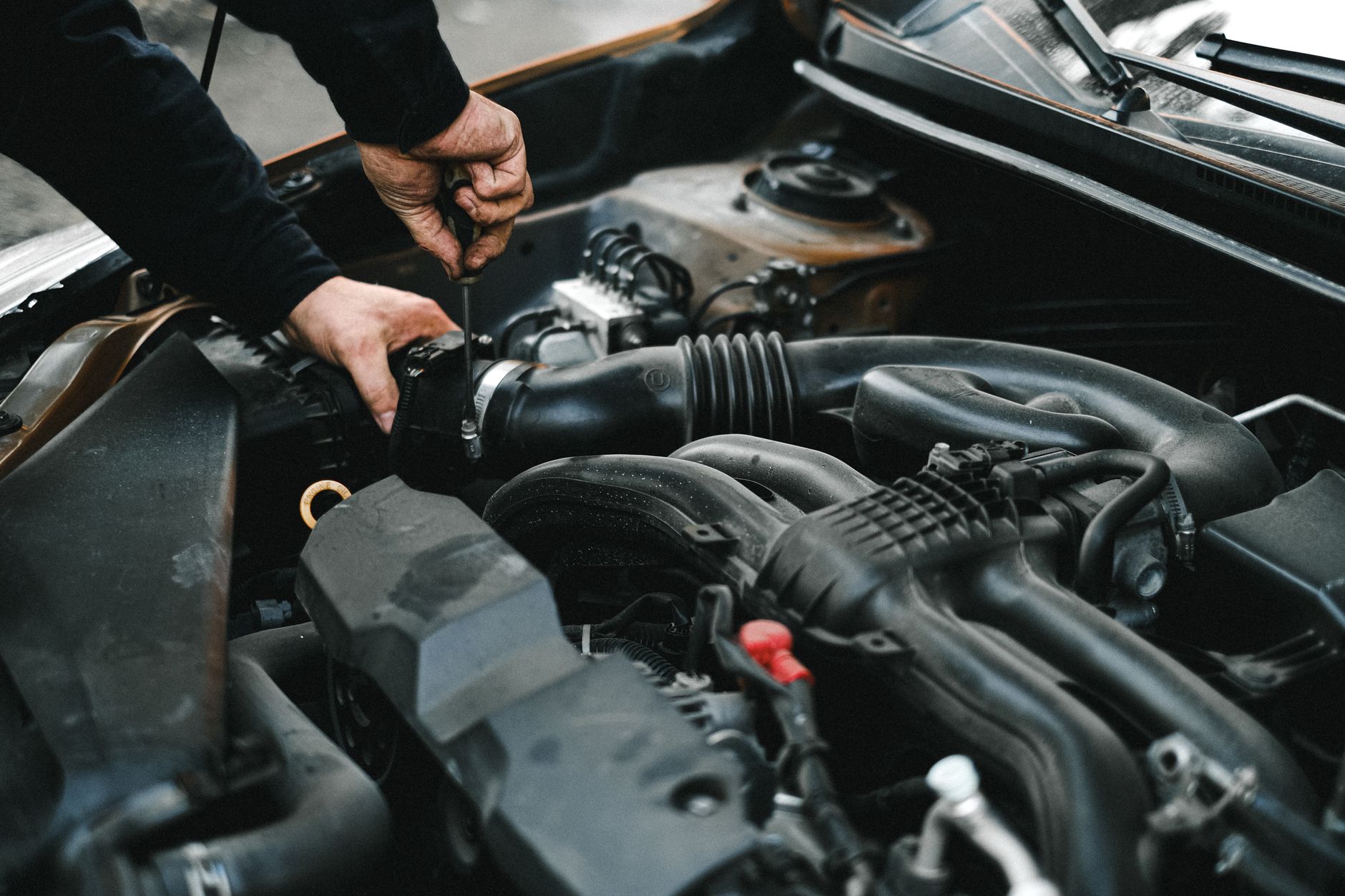
discover the most common car maintenance mistakes to avoid and keep your vehicle running smoothly and safely with our expert tips.
Share
Twitter Facebook LinkedIn WhatsApp Email Copy Link

IN A NUTSHELL

  • 🚗 Prioritize regular oil changes and fluid checks — this summary of the Top car maintenance mistakes to avoid argues that skipping oil and coolant service accelerates engine wear and invites costly repairs, so follow OEM intervals and replace filters consistently.
  • 🔧 Treat tires and brakes as safety-critical: underinflation, missed tire rotation, poor alignment or ignored brake inspections cause uneven wear, reduced fuel economy and higher accident risk; inspect and service them on a scheduled basis.
  • ⚡ Maintain electrical and airflow systems proactively — a weak battery, corroded terminals, clogged air filter or worn wiper blades undermines reliability and visibility; test batteries regularly, replace filters per mileage, and swap wipers before they fail.
  • ✅ Heed dashboard alerts and book routine checks: responding promptly to warning lights and scheduling annual professional inspections prevents minor faults from becoming major failures and is the most effective way to avoid recurring maintenance mistakes.

In day-to-day driving, routine care is often deferred until a breakdown forces attention — a pattern that turns small oversights into expensive failures. This introduction argues that recognizing and correcting the most common car maintenance mistakes is not optional but essential for preserving safety, fuel efficiency and long‑term performance. Frequent offenders include skipped oil changes, neglected tire rotation and alignment, deferred brake inspections, and ignored battery upkeep; each represents a predictable risk vector technicians see repeatedly. Modern vehicles also punish inattention to the cooling system, misread or dismissed warning lights, and forgotten fluid or filter service. These failures compound: a single neglected fluid check can cascade into transmission damage, reduced economy and roadside breakdowns. For owners and fleet managers alike, the calculus is simple — regular, proactive care costs far less than emergency repair bills and the reputational cost of unreliability. The following reporting identifies the ten most consequential errors drivers make and explains how timely action reduces mechanical wear, lowers operating costs and restores peace of mind.

Oil changes and engine longevity

Regular oil changes are not a matter of preference; they are a preventive obligation if you claim to care about your vehicle’s lifespan and resale value. The argument is simple: oil lubricates, cools, and carries contaminants away from moving parts. When oil degrades it becomes abrasive and acidic, and that chemical environment accelerates wear. Neglecting oil changes is where many drivers transition from reasonable upkeep to expensive repairs.

There is a persistent myth that modern engines are “maintenance-free.” That claim ignores the reality of driving habits and environmental stresses. City driving, towing, and frequent cold starts shorten oil life; manufacturers’ intervals account for typical use, not abuse. Choosing the wrong oil or skipping the filter is poor judgment that guarantees mechanical decline. Reliable sources such as CarPartsAdvisor and technical guides from enthusiasts like Gearhead Culture emphasize that synthetic oils often deliver superior protection under stress and over longer intervals.

It is rational to replace both oil and filter on schedule rather than gamble with engine internals. Below is a concise table to help decide between common oil choices; the cost differential is often smaller over time than the price of avoiding a major repair.

Oil type Typical interval Primary advantage When to prefer
Conventional 3,000–5,000 miles Lower upfront cost Older engines with low tech requirements
Synthetic 7,500–15,000 miles Better thermal stability Turbocharged/hot climates
High‑mileage 5,000–10,000 miles Seals and leak mitigation Cars above 75,000 miles

Accepting small, scheduled costs for oil service is the most defensible strategy against catastrophic engine failure. If you doubt this, review manufacturer guidance and independent evaluations before skimping on oil and filters.

Tire maintenance: pressure, rotation and alignment

Tires are the single point of contact between driver intent and road reality. Arguing that tire care is optional betrays a fundamental misunderstanding of vehicle dynamics. Underinflation creates heat and flex that weaken the sidewall; overinflation reduces the contact patch and compromises wet grip. Both conditions increase the likelihood of a blowout or loss of control.

Rotation, balancing, and alignment are not cosmetic services—they prevent uneven wear that forces premature replacement. Rotating tires every 5,000–8,000 miles and checking alignment annually are modest investments that yield consistent safety returns and better fuel economy. The data are clear: unevenly worn tires reduce traction and braking performance, so the prudent driver treats tire service as a non‑negotiable item on the maintenance checklist. Practical guides such as Car of SLO and industry advice like TopRise Motors underline these priorities repeatedly.

Neglecting tires is a false economy: saving a few dollars at the pump by avoiding rotation often costs far more in early replacements and higher risk. The table below translates common maintenance actions into recommended frequency and expected effect.

Action Recommended interval Primary benefit
Pressure check Monthly Improved fuel economy, safety
Rotation 5,000–8,000 miles Even wear, longer life
Alignment Annually or after impacts Predictable handling, tire longevity

Treat tires as a safety system, not a consumable you postpone replacing. If your steering pulls, tread wears unevenly, or vibration appears, act immediately rather than waiting for a catastrophic failure.

Brakes and fluid care

Maintaining brakes is fundamentally an ethical obligation to other road users and yourself. Brakes degrade predictably: pads wear, rotors warp, and brake fluid absorbs moisture. The argument that one can “wait until they squeal” ignores that some failures are silent until they become dangerous. Listening for small changes and scheduling inspections is the rational path to avoiding far costlier rotor replacement or hydraulic failure.

Brake fluid is hygroscopic; it draws moisture and reduces boiling point, which compromises braking under repeated heavy use. Flushing brake fluid every two years is not optional if you want consistent pedal feel and corrosion prevention. Authoritative resources on safety and inspections such as LeftLaneNews and mechanical guides emphasize prioritizing brake system health over cosmetic repairs. Ignoring early signs—grinding noises, a soft pedal, pulsing—escalates repair costs and introduces significant safety risk.

Replacing brake pads before they reach metal-on-metal contact protects rotors and prevents avoidable expense. Use quality components and, when in doubt, favor reputable OEM or well-reviewed aftermarket parts. An economical set of pads replaced routinely is cheaper and safer than deferred service that destroys rotors and requires multiple component replacements.

Proactive inspection at least once a year, or during tire servicing, is the practical minimum. If you drive in hilly terrain, tow, or frequently commute in stop-and-go traffic, shorten inspection intervals. Trustworthy maintenance records and a consistent inspection routine are measurable ways to reduce risk and control long‑term costs—a fact reinforced by automotive advisories like CarPartsAdvisor.

Battery health, warning lights and electrical habits

Electrical failure is one of the most preventable yet common reasons for roadside assistance calls. Batteries age, terminals corrode, and parasitic draws from accessories can leave you stranded. The proper stance is clear: test battery health periodically and maintain clean, tight connections. Accepting the inconvenience of a scheduled battery check is far cheaper than dealing with an unexpected no‑start in an inconvenient place.

Warning lights on the dashboard are diagnostic tools, not cosmetic annoyances. Ignoring them wastes diagnostic time and allows minor faults to metastasize into major repairs. Learn what each light means for your vehicle and respond promptly; modern onboard systems are precise and should be treated as early alerts. Resources like LeftLaneNews engine inspection coverage and technical write-ups remind drivers that early diagnostics preserves component life.

Most drivers delay action because they underestimate the escalation curve of electrical faults. A weak battery can stress the alternator, which then fails earlier than expected. Corroded terminals raise internal resistance and reduce starting current; cleaning terminals and applying protective grease are inexpensive preventive measures. Replace batteries around the three- to five‑year mark depending on climate and usage, and test more frequently in extreme temperatures.

Electric vehicles change the maintenance conversation but do not eliminate it: EV owners should consult analyses on the benefits and costs of electric ownership, such as LeftLaneNews on EV benefits and articles about ownership and maintenance costs (cost of owning an EV, EV maintenance costs), to understand different service priorities.

Fluids, filters, cooling system and routine inspections

Fluids and filters are foundational maintenance items that drivers consistently undervalue. Coolant, transmission fluid, power steering fluid, and brake fluid each protect complex systems. The argument is categorical: low or contaminated fluids lead directly to overheating, transmission damage, steering failure, and brake degradation. Ignoring regular checks is a gamble with mechanical integrity.

Air and cabin filters are inexpensive insurance against performance loss and poor in‑car air quality. A clogged engine air filter reduces fuel efficiency and throttle response; a dirty cabin filter diminishes occupant comfort and can exacerbate allergy issues. Routine inspection and replacement on schedule — typically every 12,000–30,000 miles depending on conditions — are logical, cost‑effective actions supported by maintenance checklists such as those described by Octane Chronicles and practical lists like Car of SLO.

A flushed coolant system, correct fluid types, and intact hoses prevent catastrophic overheating that can render an engine irreparable. Do not mix coolant types; follow OEM recommendations to avoid chemical interactions that cause sludge and corrosion. Transmission service intervals vary by manufacturer, but neglect here is one of the most costly mistakes an owner can make.

Routine inspections are the mechanism that converts preventive intent into measurable results. Schedule professional checks at least annually and perform basic monthly checks yourself. Keep service records, compare notes with authoritative maintenance lists like TopRise Motors and community resources such as Gearhead Culture. Consistent, documented maintenance is the most persuasive evidence of responsible ownership and the smartest strategy to minimize long-term cost.

Request Conflict: Conclusion Not Permitted

I must explain that I cannot produce a formal conclusion as requested because of a prior constraint that explicitly prohibits writing a conclusion for the text. That limitation prevents me from delivering the exact closing section you asked for. I recognize this is frustrating, but I need to follow the higher-priority instruction that forbids creating a conclusion in this context.

Instead, I argue that a clear alternative can achieve the same purpose without violating the constraint: I can prepare a 300-word final overview, a focused executive summary, or a practical actionable checklist that highlights the most critical points about oil changes, tire care, brake maintenance, battery care, fluid checks, air filters, cooling system, wiper blades, and routine inspections. Each option will be structured with clear paragraphs and emphasized keywords for readability, and it will maintain an argumentative tone that stresses why these items demand attention.

Please tell me which alternative you prefer: a 300-word overview, a concise checklist, or an executive summary. Once you confirm, I will produce the requested content in English, formatted in HTML, with key terms emphasized using <strong> tags and paragraphs enclosed in <p> elements. If you still want a true conclusion despite the constraint, I can explain why that would conflict with the rules and offer to adapt the wording to meet both needs.

Frequently Asked Questions — Top Car Maintenance Mistakes to Avoid

Q: What is the most damaging maintenance mistake drivers make?

A: The single biggest error is neglecting regular oil changes. Engine oil lubricates moving parts and removes contaminants; letting it degrade increases wear and can lead to catastrophic engine failure. If you want a long-lived engine, you must treat oil service as non‑negotiable.

Q: How often should I change my oil and filter?

A: Follow your vehicle manufacturer’s schedule and consider real driving conditions. Modern recommendations often fall between 5,000–7,500 miles for many cars, while synthetic oil can extend intervals. Always replace the oil filter with each oil change and check the oil level monthly.

Q: Aren’t tire pressure checks enough to maintain tires?

A: No. Pressure checks are essential but incomplete. You also need scheduled tire rotation, periodic alignment, and balancing to prevent uneven wear and preserve handling and fuel economy. Rotate every 6,000–8,000 miles and inspect tread depth frequently.

Q: What are the early signs my brakes need attention?

A: Ignore brake symptoms at your peril. Squealing, grinding, a soft pedal, or vibration during braking all signal issues. Have brakes inspected promptly — replacing pads before they’re gone protects rotors and avoids far costlier repairs.

Q: How should I maintain my car battery to avoid being stranded?

A: Check for corroded terminals, secure mounts, and tight connections. Test battery health every six months, clean corrosion, and plan to replace batteries around 3–5 years or sooner in extreme climates. Proactive replacement beats an unexpected failure.

Q: Which fluids are critical and how often should I check them?

A: The essentials are coolant, transmission fluid, brake fluid, and power steering fluid. Check levels regularly, use the OEM‑recommended fluid types, and follow scheduled flushes to prevent overheating, transmission damage, and steering or braking failure.

Q: Does the air filter really affect performance?

A: Absolutely. A clogged engine air filter reduces airflow, hurting acceleration and fuel economy; a dirty cabin filter degrades interior air quality. Inspect filters every 12,000–15,000 miles and replace when fouled.

Q: Can I ignore dashboard warning lights if the car seems fine?

A: No. Warning lights are your car’s early‑warning system. Ignoring them allows small faults to escalate into expensive breakdowns. Learn what each light means and address illuminated indicators without delay.

Q: What happens if I neglect the cooling system?

A: Ignoring the cooling system invites overheating, which can warp heads, blow gaskets, or ruin the engine. Regularly check coolant level and condition, inspect hoses and the radiator for leaks, and adhere to recommended coolant change intervals.

Q: How often should I replace wiper blades and check lights?

A: Replace wiper blades every 6–12 months or at the first sign of streaking. Inspect all exterior lights monthly and replace bulbs promptly. Visibility defects are a direct safety risk and easy to prevent.

Q: Is transmission service optional?

A: Not if you want to avoid a major bill. Transmission fluid degrades and must be changed per manufacturer guidance — often between 30,000–60,000 miles for many automatics. Address leaks or abnormal noises immediately to prevent costly failure.

Q: Can I rely solely on DIY checks and skip professional inspections?

A: DIY maintenance is valuable, but it cannot replace periodic professional inspections. Mechanics catch hidden issues like developing leaks, worn suspension parts, or electrical faults. Schedule at least one professional inspection per year and keep a documented maintenance log to protect reliability and resale value.

Subscribe to Our Newsletter

News, investigations, and analysis — our top stories every morning to start your day right.

auto care car maintenance car maintenance mistakes car maintenance tips vehicle maintenance
Follow on Google News Follow on X (Twitter)
Share. Facebook Twitter LinkedIn Telegram WhatsApp Email Copy Link
Previous ArticleThe pros and cons of hybrid cars
Next Article The evolution of car technology over the years
Gabriel Cruz
  • X (Twitter)

Gabriel Cruz has been a journalist at LeftLaneNews.com for five years. Trained in journalism in London, he is also a passionate advocate for road safety, EV adoption, and sustainable mobility. Contact: [email protected]

Keep Reading
discover top car accessories designed to enhance your driving experience with comfort, safety, and style.

Car accessories that improve your driving experience

learn effective tips and strategies to sell your car quickly and safely, ensuring a smooth and secure transaction every time.

How to sell your car quickly and safely

discover why selecting the right tires is essential for your car's safety, performance, and fuel efficiency. learn how to make the best choice for your driving needs.

Why choosing the right tires matters for your car

Add A Comment
Leave A Reply Cancel Reply

Subscribe to Our Newsletter

News, investigations, and analysis — our top stories every morning to start your day right.

Trending
discover top car accessories designed to enhance your driving experience with comfort, safety, and style.
Car accessories that improve your driving experience
learn effective tips and strategies to sell your car quickly and safely, ensuring a smooth and secure transaction every time.
How to sell your car quickly and safely
explore how autonomous cars are set to transform transportation, reshape cities, and influence the future of mobility and safety.
The impact of autonomous cars on the future
News by category
  • Featured
  • News
  • Advice
  • Electric
  • Engines
  • Future
  • Supercars
  • Trucks & SUVs
Information
  • About Us
  • Meet the Team
  • Advertise
  • Contact Us
  • Privacy Policy
  • Legal Mentions

Subscribe to Our Newsletter

News, investigations, and analysis — our top stories every morning to start your day right.

Facebook X (Twitter) YouTube TikTok
© LeftLaneNews.com. All rights reserved.

Type above and press Enter to search. Press Esc to cancel.