
“Neighbor Warns ‘This Is Insane’”: Teen’s DIY Go-Kart With 140-HP Kawasaki Engine Stuns Marketplace But Sparks Fears Over Safety And Braking Power
 By
Owen Fairbrother
By
Owen Fairbrother
| IN A NUTSHELL |
|
In the world of motorsports, the allure of high-speed thrills often begins with humble origins. The Facebook Marketplace recently highlighted an extraordinary creation: a go-kart powered by a Kawasaki ZX-9R engine, built by a high school student. This remarkable vehicle challenges the boundaries of conventional go-karts by packing 140 horsepower into a compact frame. Such a feat not only speaks to the ingenuity of youthful ambition but also raises questions about the balance between innovation and safety in amateur vehicle construction. This article delves into the details of this unique project, examining its design, performance, and the broader implications for amateur engineering enthusiasts.
The Ambitious Design and Construction
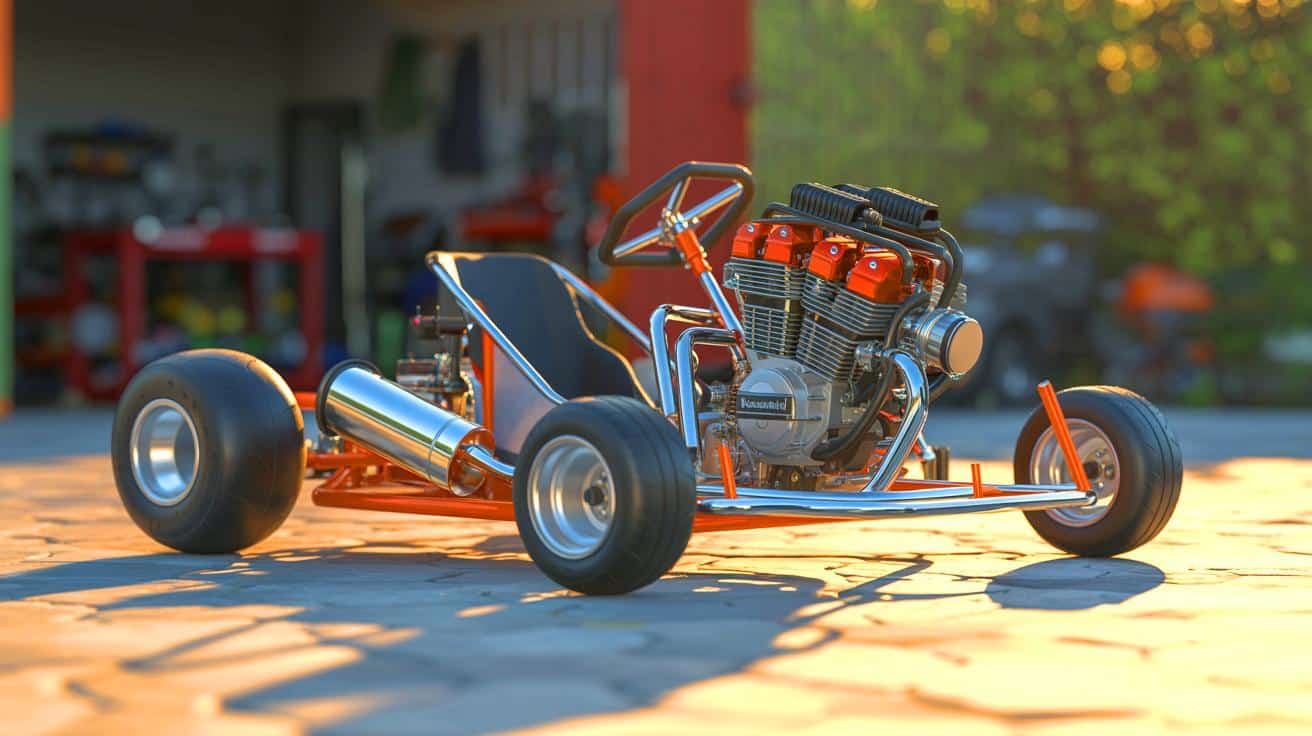
The go-kart in question is built upon a standard shifter kart frame, which provides a foundation for modifications. The frame has been lengthened, utilizing what the seller describes as “ok” welds. This choice of language hints at a certain level of self-awareness about the quality of the construction. Yet, the real marvel lies in the engine selection. A Kawasaki ZX-9R engine, originally designed for a high-performance sportbike, now powers this kart. Such an engine, with its 140 horsepower, is a significant upgrade from typical go-kart specifications.
The construction process involved integrating this powerful engine into a frame not originally designed to handle such power. The use of two disc brakes at the front provides some stopping power, a necessary feature given the kart’s enhanced speed capabilities. However, the seller’s reference to them as “breaks,” while possibly a typographical error, might also suggest a level of informality in the build process. This points to a larger question about the safety and reliability of such high-powered amateur projects.
Volkswagen Unleashes Its Own Epic Gymkhana Video: A Thrilling Ride!
Performance and Challenges
Integrating a sportbike engine into a go-kart presents unique challenges. The sheer power of the Kawasaki engine demands a robust and well-balanced chassis to handle the increased speed and torque. The decision to lengthen the frame suggests an effort to improve stability, but it also introduces new dynamics that need careful consideration. In high-speed conditions, any imbalance can lead to dangerous handling characteristics.
The kart’s braking system, while upgraded from a single drum brake to dual disc brakes, raises questions about its adequacy. With 140 horsepower propelling the vehicle, effective braking is crucial to ensure safety. While the disc brakes represent an improvement, the informal description of their functionality leaves room for skepticism. This highlights a common challenge in amateur engineering projects: balancing innovation with practical safety measures.
Implications for Amateur Enthusiasts
This go-kart project serves as a testament to the creativity and ambition of young engineers. The high school student's endeavor to transform a standard go-kart into a powerful machine reflects the passion often seen in amateur motorsports. However, it also underscores the importance of safety and engineering principles. While the thrill of speed is enticing, the risks associated with such power must be acknowledged and mitigated.
Amateur projects, like this go-kart, remind us of the boundless potential of youthful innovation but also the responsibilities that come with it.
https://leftlanenews.com/solar-powered-vehicles/438/
For many young enthusiasts, projects like these are valuable learning experiences. They offer practical insights into mechanical engineering, problem-solving, and the importance of adhering to safety standards. As the popularity of DIY engineering projects grows, so does the need for guidance and resources to ensure these pursuits are conducted safely and responsibly.
Safety and Innovation: A Delicate Balance
The creation of this Kawasaki-powered go-kart highlights the ongoing dialogue between innovation and safety in amateur engineering. While the project showcases remarkable creativity, it also raises critical safety considerations. The informal nature of the construction process, as indicated by the seller's descriptions, suggests a need for greater awareness and resources for amateur builders.
Projects like this one serve as a reminder of the potential risks associated with high-powered DIY vehicles. They emphasize the importance of thorough testing and adherence to safety protocols. As more young engineers are inspired to pursue ambitious projects, the role of education and mentorship becomes increasingly vital in fostering a culture of safe innovation.
The intersection of youthful ambition and engineering creativity is a powerful catalyst for innovation. However, it is essential to balance this with a commitment to safety and responsibility. As the world of amateur motorsports continues to evolve, how can we better support and guide the engineers of tomorrow in their pursuit of innovation?
Continue reading