

Porsche’s 909 Bergspyder stopped with carcinogenic brakes
Built for Ferdinand Piech and raced only twice in 1968, the featherweight hillclimber used beryllium rotors, a metal the FIA banned from competition.
 By
Graham Pettigrew
By
Graham Pettigrew
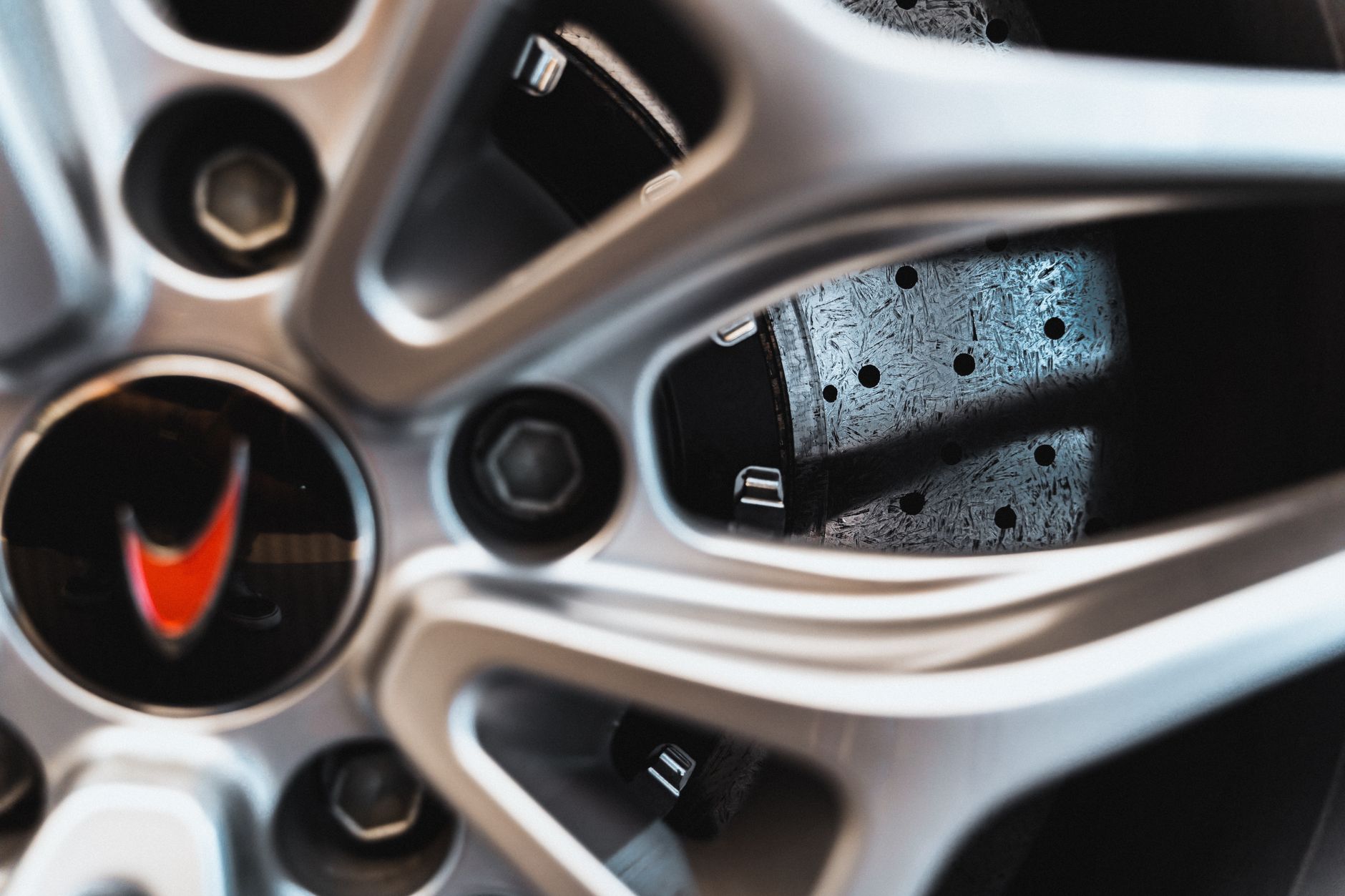
Porsche’s 909 Bergspyder, a 1968 hillclimb racer, stopped on brake rotors made of beryllium, a metal later shown to be extremely carcinogenic, as Jalopnik recounted this month. Nobody at Porsche knew of the danger at the time.
In brief
- The 909 Bergspyder weighed 826 pounds ready to race, making it Porsche’s lightest race car.
- Its brake rotors were made of beryllium, a metal now known to cause chronic lung disease when inhaled as dust.
- Porsche made only five beryllium rotors, and the faster of the two cars built got the lighter set.
- Weight-distribution lessons from the car fed into the 908/3, which helped Porsche win the 1970 championship.
The story matters beyond trivia. The car shows how far a manufacturer would go to shave weight when a rulebook allowed it, and how one exotic material moved from racing advantage to outright prohibition over three decades.
A hillclimber stripped to the bone
The Bergspyder had no roof and a flat-8 engine, and its competition life ended almost as soon as it began. It was the pet project of Porsche heir Ferdinand Piech, and every component was judged by a single question: was it needed to get up a mountain?
The fuel system shows the logic. A hillclimb run is short, so the car never had to survive long stints the way an endurance racer did. Engineers therefore dropped the fuel pump entirely. In its place sat a small spherical tank made of titanium, filled with fuel and then charged with compressed nitrogen. A pressure regulator metered that pressurized fuel to each carburetor throat.
Why beryllium, and why it became a problem
Beryllium is rare and costly, but it is markedly lighter and stronger than aluminum, which made it tempting for racing parts. The expense limited Porsche to just five identical rotors. Only two Bergspyders were built, and a single one survives; the quicker of the pair was given the lighter brakes.

The hazard lies in the dust. Breathing in beryllium particles, the kind braking could release, triggers chronic lung disease in some people at concentrations down to 0.01 microgram per cubic meter of air.
The rotors’ value spawned a piece of Porsche folklore about how they traveled, though how much of it is accurate remains unclear. Bill Noon, of the vintage competition specialty shop Symbolic International, described the arrangement this way:
“The car would be shipped to the race and meanwhile an armed security guard would carry a locked trunk and travel to the race with the one set of beryllium brakes they had made up.”
Bill Noon, Symbolic International
Lore also holds that the brakes were locked away between events. What is documented is the regulatory turn. The World Health Organization identified beryllium’s dangers in the 1990s, and the FIA banned the metal in 1999, with the rule taking effect for the 2001 season. By then, essentially only Mercedes and Peugeot still relied on it, both for Formula 1 engine construction.
What Porsche carried forward
The Bergspyder’s real legacy was in chassis layout. After Porsche shifted to the World Sportscar Championship, its engineers applied what they had learned about weight distribution, moving the engine toward the center of the car and pushing the driver’s seat forward.
- Porsche commits to the World Sportscar Championship and develops the 908/3 around the new weight balance.
- The 908/3 wins the Targa Florio and the Nürburgring 1000 Kilometres outright, helping secure the championship, while the 917 takes Spa and Le Mans.
- After carrying the driver-on-the-front-axle layout through the 936 and 956, Porsche introduces the lengthened 962 once IMSA outlaws placing the driver’s feet ahead of the front axle.
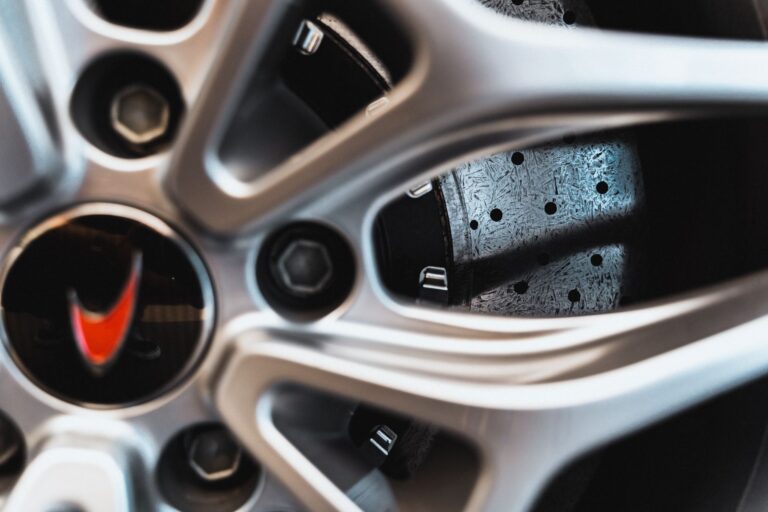
Featured image. Source: Pexels. Credit: Daniel Andraski. License: Pexels License.