

Young buyers judge electric cars the way they judge phones
Software, CarPlay and data trust now weigh on younger EV shoppers, while screen-heavy cabins raise safety concerns that some automakers have admitted.
 By
Keisha Holloway
In brief
- Younger shoppers weigh in-car technology and charging infrastructure alongside financial incentives when judging an EV.
- Apple CarPlay or Android Auto support is treated as a mandatory requirement.
- Market research cited in the article shows 80% of executives versus 8% of customers praising digital experience.
- Volkswagen and Mazda have admitted that dropping physical buttons was a misstep.
Younger car shoppers are sizing up electric vehicles much as they size up a new handset: by how well the software runs, how easily it plugs into their digital life and whether they trust it with their data. That is the argument in an analysis republished by Tech Xplore from The Conversation, which also warns that the same screens carry a safety cost.
The car as a rolling computer
The piece ties the shift to the rapid growth of electric vehicle production and to smartphone giants such as Xiaomi and Huawei moving into the car market. Vehicles, it says, are turning into rolling computers. Brand prestige and mechanical engineering still matter, but they are steadily losing ground to software capabilities and digital integration.
The generational change among digital natives, meaning people who grew up around smartphones, is described as visible in China, North America and Europe. EV pricing and availability in China may speed it up, according to the article.
How these buyers research and decide
When this group evaluates an electric vehicle, it leans heavily on how well the in-car technology works and on charging infrastructure, alongside financial incentives. The article compares that with the way people judge a phone: operating speed, battery longevity and software updates, rather than traditional car metrics.
The buying journey starts long before a test drive. Younger consumers favor online platforms and social media as their main shopping channels, relying on user-generated content, peer opinions, online reviews and digital advertising instead of dealership visits or print brochures. Research cited in the piece also shows Gen Z shoppers want technologically advanced, highly personalized experiences, with particular interest in a car’s entertainment features and software ecosystem.

The article adds that younger cohorts choose transport based on travel time, cost efficiency and service reliability, and increasingly favor shared mobility services such as Uber and Grab over owning a car.
The digital checklist
According to the article, these are the points that can make or break a purchase for younger buyers:
- Phone integration: Apple CarPlay or Android Auto is treated as a mandatory requirement.
- Interface quality: input lag, clunky menus or a poor touchscreen experience severely damage opinion of the whole vehicle.
- Instant profile sync: playlists, messages and personal settings are expected to follow the driver into any car, mirroring the way tablets and phones work together.
- Data trust: confidence in how vehicle technology and data are handled is described as a primary psychological barrier to adoption.
Readers following the smartphone-projection debate can also look at GM’s Apple CarPlay and Android Auto plans.
Executives, customers and the screen problem
The author reads that gap as a sign that traditional manufacturers still think like mechanics rather than app developers, which is the author’s opinion rather than a measured result.
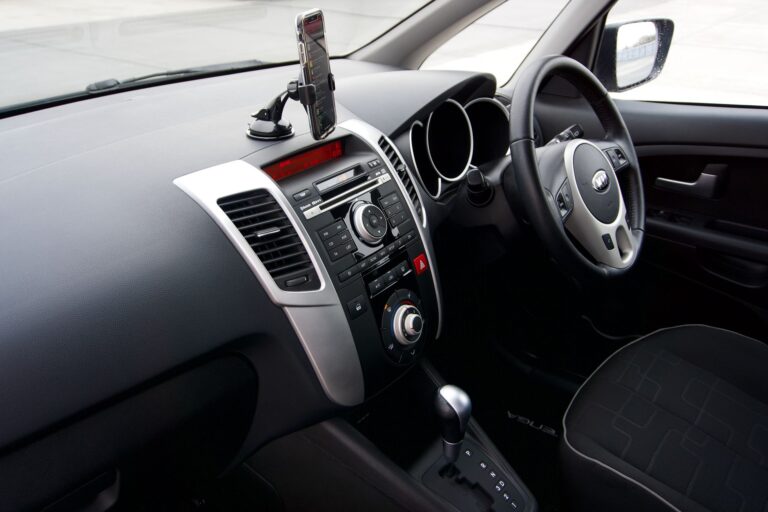
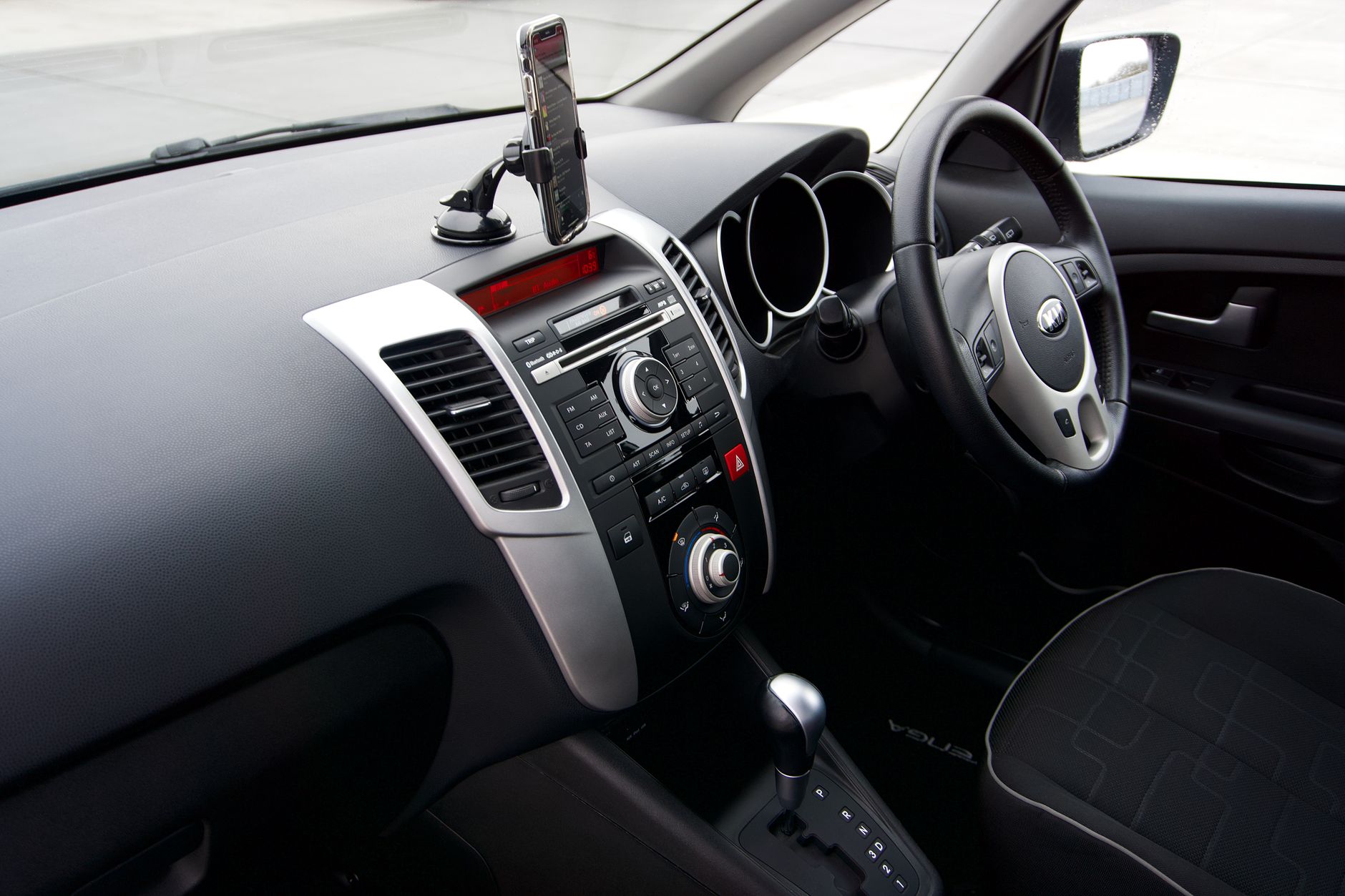
Treating the car like a phone has a physical downside. Replacing physical controls with digital submenus creates cognitive overload and pulls visual attention from the road, raising accident risk, the article says. It cites one study arguing that drivers react more slowly when using screens than when driving drunk or under the influence of drugs.
Safety organizations and designers are pushing back against pure touchscreen design. Volkswagen and Mazda have publicly admitted that removing physical buttons was a misstep, which has led to a hybrid approach in which tactile controls for core functions sit alongside digital entertainment.
The analysis offers no sales figures or survey dates for young EV purchases, so it describes how these buyers evaluate cars rather than how many of them buy one.
Photo: Mike Bird / Pexels