

“They Didn’t See This Coming”: Germany’s Hydrogen Engine Breakthrough Shakes the Entire Electric Car Industry (and the U.S. Is Nervous)
 By
Owen Fairbrother
By
Owen Fairbrother
| IN A NUTSHELL |
|
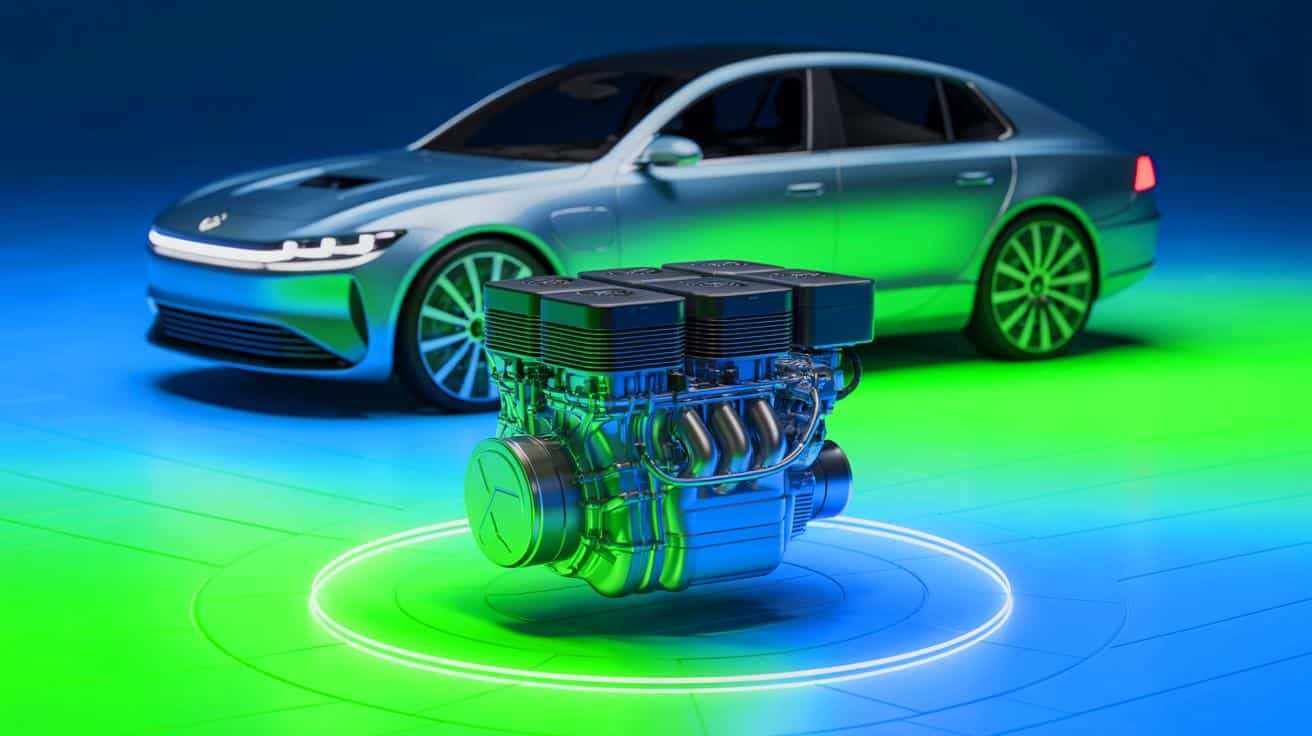
Germany’s recent advancements in hydrogen combustion engine technology have caught the attention of both automakers and policymakers in the United States. As the global community strives for cleaner energy solutions, the debate between battery-electric vehicles (EVs) and hydrogen-powered engines intensifies. The introduction of Germany’s PoWer consortium and its research into hydrogen internal combustion engines (H2-ICE) has positioned hydrogen as a significant player in the future of sustainable transportation. This development has implications not only for the automotive industry but also for energy policy and environmental strategies worldwide.
Germany’s Breakthrough in Hydrogen Combustion Technology
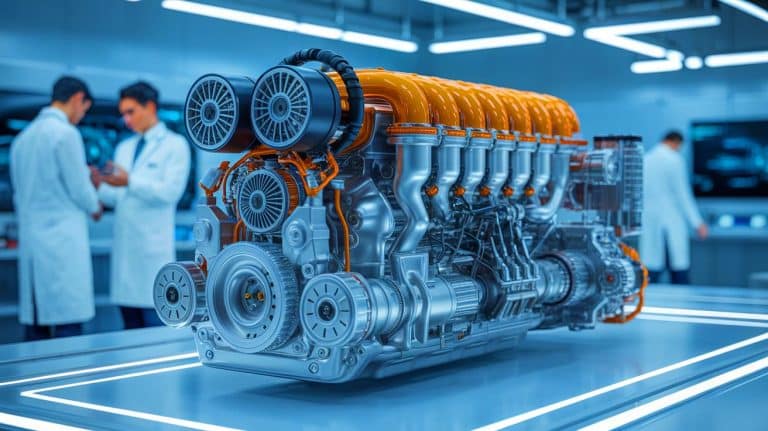
Germany’s push for hydrogen-powered internal combustion engines marks a significant shift in the automotive landscape. The country’s innovation focuses on developing an engine with thermal efficiency surpassing that of traditional gasoline engines. This move leverages hydrogen combustion, which allows for the utilization of existing infrastructure, thus facilitating a smoother transition to cleaner energy.
The potential of H2-ICE technology extends beyond traditional road vehicles. It offers a promising solution for sectors facing decarbonization challenges, such as off-road industries and sectors where electrification is limited by battery constraints. Hydrogen engines are gaining traction at a time when global supply chains, particularly for EV components, are increasingly dominated by China. This shift presents an opportunity to diversify the clean energy market and reduce reliance on a single source.
Germany’s focus on hydrogen engines could significantly transform the current clean energy landscape, particularly in sectors where electrification has limitations.
https://leftlanenews.com/modern-car-engines-2025/338/
Germany’s Strategic Push for Hydrogen
Germany’s commitment to hydrogen technology is embodied in the formation of the PoWer consortium. Launched in late 2024, this coalition aims to advance hydrogen engines for construction and other “off-highway” uses. Key players include Mahle, Liebherr, Deutz, Claas, KIT, and the German Aerospace Center (DLR), all working together to promote hydrogen as a viable energy source.
With €5.1 million in funding from Germany’s Federal Ministry for Economic Affairs and Climate Action, the consortium’s objective is to reduce emissions through hydrogen engines. This initiative underscores the importance of cross-sector collaboration in achieving decarbonization goals. As Dr. Marco Warth from Mahle suggests, hydrogen is emerging as a crucial element in the quest for sustainable energy solutions.
The collaborative efforts of the PoWer consortium highlight Germany’s role as a leader in hydrogen innovation.
https://leftlanenews.com/d-printing-supercar-manufacturing/578/
The U.S. Perspective on Hydrogen vs. EVs
As Germany champions hydrogen engines, the U.S. faces a strategic decision: to continue focusing on hydrogen fuel cells or to explore the broader potential of hydrogen combustion engines. The flexibility of H2-ICE technology makes it suitable for diverse applications, including mining, aviation, and marine transport. This flexibility could decrease reliance on China, which currently dominates the EV battery market.
The U.S. risks falling behind in clean energy innovation if it fails to recognize the potential of hydrogen combustion technology. Germany’s proactive approach could lead to widespread adoption of hydrogen engines across Europe. The U.S. must consider whether to align with this vision or risk being outpaced in the race for sustainable mobility solutions.
The U.S. must weigh the benefits of hydrogen combustion engines against its current investments in hydrogen fuel cells.
https://leftlanenews.com/tech-advances-trucking/614/
Implications for the Future of Clean Transportation
The evolving landscape of clean transportation is marked by the rise of hydrogen combustion engines as a formidable alternative to battery-electric vehicles. While some automakers, like Toyota, may shift focus to future energy sources, Germany’s advancements affirm the staying power of hydrogen technology.
Germany’s innovations are purely informative and not intended as investment advice. However, they highlight a crucial turning point in the global energy dialogue. As automakers and policymakers navigate this transformation, the question remains: will hydrogen combustion engines redefine the future of transportation?
As the world strives for a sustainable future, the dialogue between hydrogen and electric technologies continues to evolve. With Germany leading the charge in hydrogen combustion engine research, how will other nations respond to this emerging paradigm shift in the clean energy landscape?
Continue reading