

“This Tiny Engine Changes Everything”: Horse Powertrain’s C15 Promises Endless EV Range With a Compact Multi-Fuel Hybrid Breakthrough
 By
Ethan Kowalczyk
By
Ethan Kowalczyk
| IN A NUTSHELL |
|
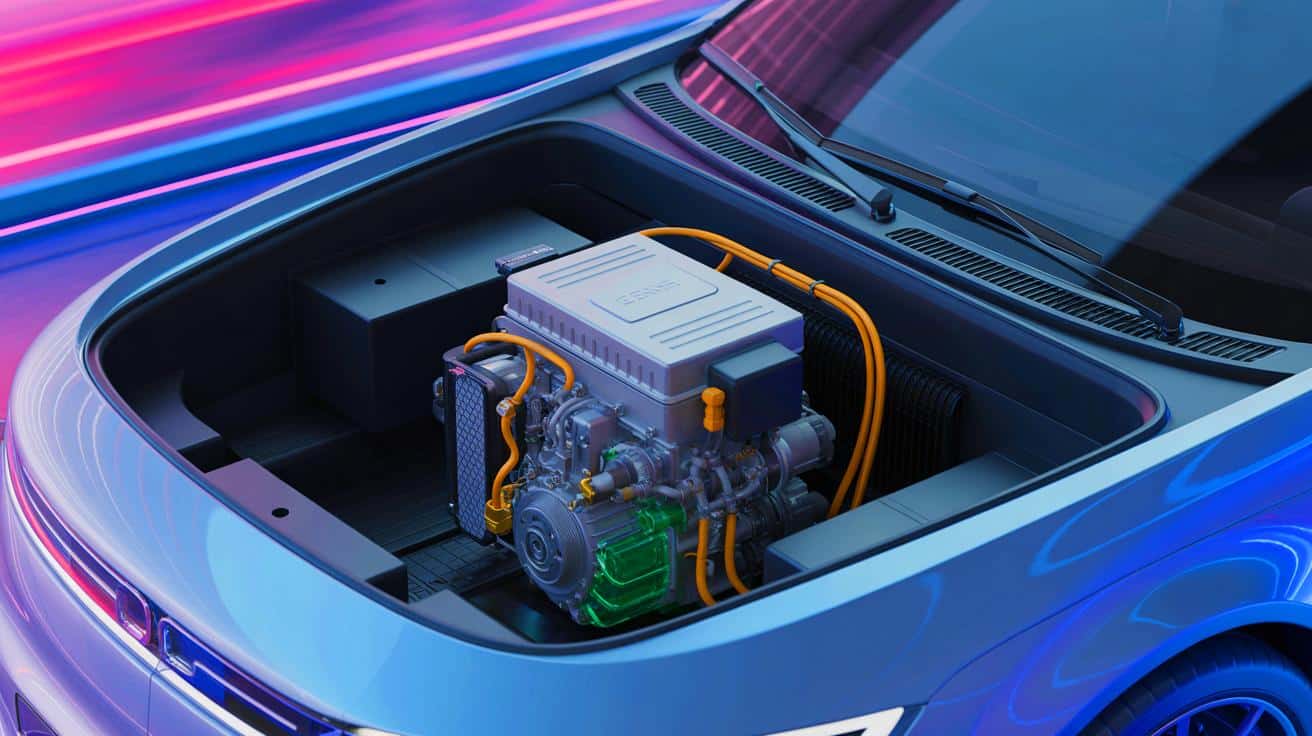
In a rapidly evolving automotive landscape, the introduction of Horse Powertrain’s C15 engine-generator presents a pivotal moment. This compact engine aims to enhance the range of electric vehicles, thereby addressing one of the most significant barriers to widespread EV adoption: range anxiety. The C15 is designed to integrate seamlessly into various vehicle platforms, offering a hybrid solution that combines combustion and electric power. As the industry grapples with the challenges of full electrification, Horse Powertrain’s innovation offers a promising alternative. The potential of the C15 to redefine hybrid technology makes it a development worth watching closely.
The Vision Behind Horse Powertrain’s Innovation
Horse Powertrain is renowned for its innovative approach to automotive engineering, and the C15 engine-generator is no exception. This development comes at a time when both governments and automakers are reevaluating their strategies for electric vehicle adoption. The C15 offers a balanced approach that promises to bridge the gap between traditional combustion engines and full electrification.
As the world pushes for electrification, challenges such as infrastructure limitations and the environmental impact of battery production persist. The C15 addresses these concerns by providing an alternative that integrates with existing electric platforms. This integration not only extends vehicle range but also offers flexibility in fuel options, including gasoline, ethanol, and synthetic fuels. By focusing on hybridization, Horse Powertrain seeks to overcome the current limitations of electric vehicle technology, promoting a more sustainable and practical path forward.
Unpacking the "Briefcase-Sized" Engine
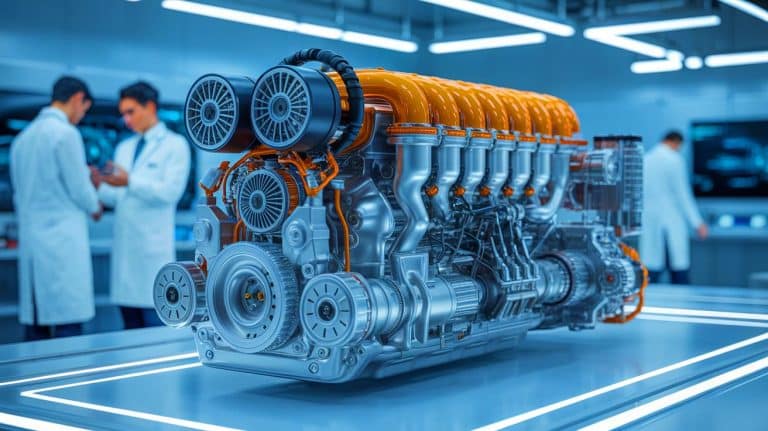
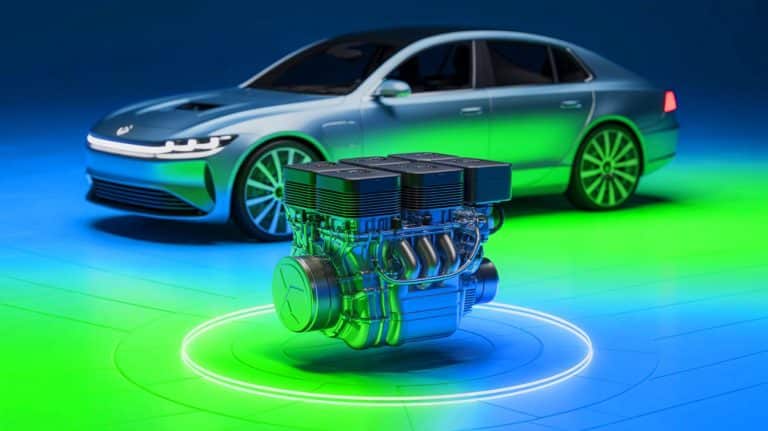
The concept of a "briefcase-sized" engine is intriguing, though the C15 is slightly larger than a typical briefcase. Measuring 19.7 x 21.7 x 11 inches, it remains impressively compact for a component that combines an engine, generator, inverter, and exhaust system. This compactness is crucial, allowing for easy integration into various vehicle platforms with minimal modification.
The C15's design is adaptable, capable of being installed in multiple configurations within a vehicle. While it may not literally fit into a briefcase, its size and functionality represent a significant advancement in hybrid technology. The C15 offers a practical solution for extending the range of electric vehicles while maintaining efficiency and reducing emissions. This compact design makes it an appealing option for automakers seeking to enhance their electric vehicle offerings.
Performance and Market Potential
The C15 engine is designed to cater to a diverse range of vehicles. Its naturally aspirated 1.5-liter four-cylinder variant produces up to 70 kW (94 hp), targeting smaller vehicle segments in Europe. For larger vehicles, a turbocharged version delivers 120 kW (161 hp), offering enhanced range extension capabilities.
Operating independently of the vehicle's drivetrain, the C15 focuses on charging the battery, thereby maintaining efficiency and reducing emissions. This approach addresses range anxiety, a key concern in electric vehicle adoption. Moreover, the C15’s ability to run on various fuel types positions it as a versatile solution for automakers balancing performance, cost, and environmental considerations. As interest in range-extended electric vehicles grows, the C15 could play a crucial role in shaping the future of hybrid technology.
Future Implications and Industry Reception
As Horse Powertrain prepares to debut the C15 at the IAA Mobility 2025 in Munich, industry experts are closely monitoring its potential impact. The engine's multi-fuel capability and compact design make it a compelling choice for automakers looking to enhance their electric vehicle offerings. CEO Matias Giannini highlights the growing popularity of range-extended electric vehicles, positioning the C15 as a cost-effective solution for transforming battery electric vehicle platforms into hybrid models.
The introduction of the C15 is about more than just extending electric vehicle range. It represents a shift in how vehicles are designed, emphasizing flexibility and adaptability. This development raises the question: Could hybrid technology become the bridge to a more sustainable future as the industry faces the challenges of full electrification?
As the automotive industry continues its transformation, the C15 engine from Horse Powertrain prompts important questions about the future of vehicle technology. Will hybrid solutions like the C15 become indispensable in the quest for sustainable transportation, or will full electrification ultimately dominate the industry? The answers to these questions could significantly influence the future of automotive innovation and environmental sustainability.
Continue reading