


thyssenkrupp opens Pune hub for steering and chassis tech
More than 120 engineers already work at the new Indian site on embedded software, cybersecurity and chassis systems, with a team of 300-plus in view.
 By
Ethan Kowalczyk
By
Ethan Kowalczyk
thyssenkrupp Automotive Technology has officially opened its Global Capability Center in Pune, India, according to a company release dated October 9.
In brief
- The supplier, which develops and builds chassis, steering and powertrain technologies, presents the Pune site as the next stage in widening its worldwide research and development network.
- Those fields map closely onto the components a driver touches least consciously but relies on most.
- For scale, thyssenkrupp Automotive Technology booked sales of around €7 billion in fiscal year 2024/2025 and operates more than 90 locations spread across Europe, Asia and the Americas.
The supplier, which develops and builds chassis, steering and powertrain technologies, presents the Pune site as the next stage in widening its worldwide research and development network. The facility is not starting from zero. Plans for it were first made public in 2025, and in the period since, the center has been built up step by step and folded into the group’s international engineering organization.
A center already staffed before its official opening
The inauguration comes after an initial ramp-up phase rather than at the start of one. Engineers on site cover software, hardware, systems and mechanical development, and their work feeds international customer programs rather than a single domestic project.
In other words, the company intends to more than double the team, though it has attached no specific date to that goal. The offices sit in the Solitaire Business Hub 2, in the Baner-Balewadi business district of Pune.
Björn Erbe, who leads research and development for the chassis business of thyssenkrupp Automotive Technology, described what the site means to the group:
“Pune is much more than an additional development location for us. We are building a key engineering hub that is fully integrated into our global R&D network,”
Dr. Björn Erbe, Senior Vice President R&D, thyssenkrupp Automotive Technology chassis business
Software, safety and the next generation of steering
For anyone following how cars are changing underneath the sheet metal, the technical brief is the most telling part of the announcement. The company says the center reinforces skills that matter more as vehicles grow more software-defined, more connected and more automated. Its main areas of work are embedded systems, functional safety, cybersecurity and advanced chassis technologies.
Those fields map closely onto the components a driver touches least consciously but relies on most. Steering and chassis systems in modern vehicles increasingly depend on control electronics and code, which is why functional safety and protection against cyberattacks sit alongside mechanical engineering on the Pune agenda. The engineers there collaborate with development teams in other countries and take part in global customer projects across the full development lifecycle, including work on technologies for the coming generation of steering and chassis systems.

Viktor Molnar, COO of thyssenkrupp Automotive Technology, tied the opening directly to that shift. “The transformation of the automotive industry is increasingly driven by software, electronics and globally connected engineering teams,” he said.
The company has not named customers, vehicle models or an investment figure for the site, so the link between Pune and a specific car on the road cannot yet be drawn.
Why Pune, and who gets hired
The group lists four reasons for picking the city, as reported by Outlook Business, which carried the release through a syndicated feed:
- an established automotive industry already present in the area;
- a strong engineering and software ecosystem;
- leading universities;
- a broad pool of highly qualified talent.
Recruitment will first target software, hardware and mechanical engineering positions. More specialized competencies are to follow as business and technology needs evolve. The company also says it sees room to work with local universities and the wider engineering community in Pune, both to draw in talent and to encourage innovation.
Molnar was explicit about the weight he places on the country: “India offers an outstanding pool of engineering and software talent and will play an increasingly important role in our global development network.”
India’s widening role for the supplier
The engineering center is one piece of a larger expansion in India, according to the version of the release published by NewsX. The commitments differ in how firm they are.
| Activity | Status described by the company |
|---|---|
| Sourcing | India is becoming an increasingly important sourcing hub |
| Sales | A sales team is being set up in Pune to deepen ties with Indian automakers |
| Local production | Intended, but only if matching customer projects are won |
That last condition matters: manufacturing in India is an intention, not a decision, and it depends on contracts the company does not yet have.
For scale, thyssenkrupp Automotive Technology booked sales of around €7 billion in fiscal year 2024/2025 and operates more than 90 locations spread across Europe, Asia and the Americas.
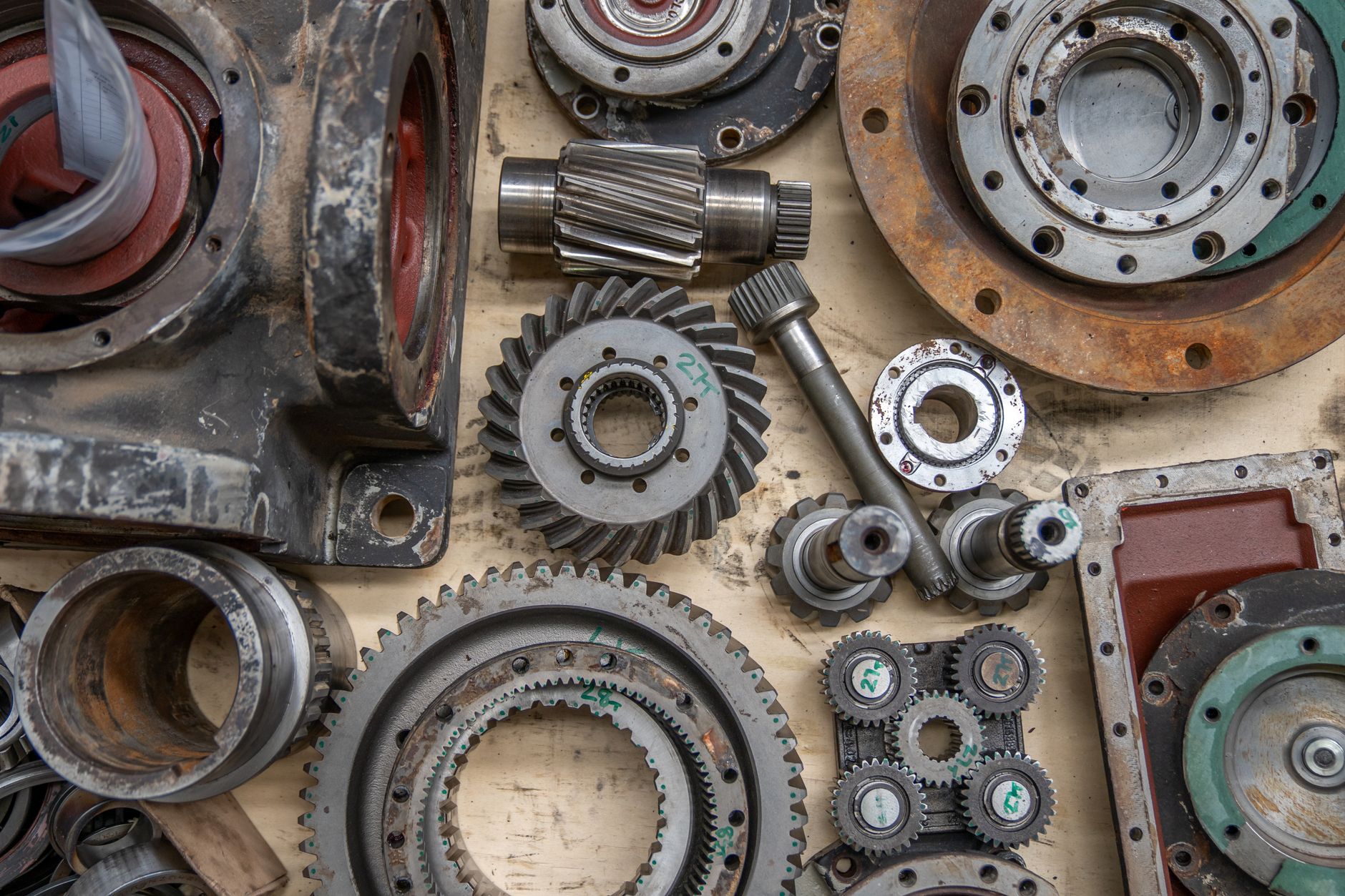
Featured image. Source: Pexels. Credit: Connor Lucock. License: Pexels License.
Continue reading