

“311 MPH, Almost There”: The U9X Shatters Speed Records With Semi-Slick Tires, Custom Suspension And Nerve-Shredding Precision
 By
Renée Castellano
By
Renée Castellano

| IN A NUTSHELL |
|
In the realm of high-speed automotive engineering, pushing the boundaries of what’s possible is a continuous pursuit. The latest feat in this field comes from the U9X, a vehicle designed to redefine speed limits. Recently, the U9X made headlines when it came tantalizingly close to reaching the elusive 500 kilometers per hour (approximately 311 miles per hour) mark. This attempt was not just a demonstration of engineering prowess but also a testament to the courage and focus required to operate such a machine at extreme velocities. As we delve deeper into this record-breaking endeavor, we explore the intricacies of driving at such speeds and the future possibilities for the U9X.
The Challenges of Supersonic Speeds
Driving at speeds approaching 311 mph introduces a set of challenges that are far from ordinary. As the car accelerates, the resistance it encounters does not increase linearly; instead, it grows exponentially. This exponential increase in aerodynamic load demands precise engineering and preparation. For the driver, the experience is both exhilarating and daunting. The U9X, during its record attempt, remained remarkably stable, allowing the driver to momentarily release the steering wheel even at 211 mph (approximately 340 kilometers per hour). This stability, however, is deceptive. At speeds exceeding 300 mph, even the smallest steering input can send the car veering dangerously off course.
The need for intense concentration cannot be overstated. The steering adjustments required are minuscule, often less than a degree, yet their impact on the vehicle’s trajectory is significant. This level of precision and control is paramount to maintaining safety while pushing the limits of speed. The driver must remain acutely aware of every movement and adjustment, as these can translate into substantial deviations at such high velocities.
Volkswagen Unleashes Its Own Epic Gymkhana Video: A Thrilling Ride!
Engineering Marvel: The U9X’s Specifications
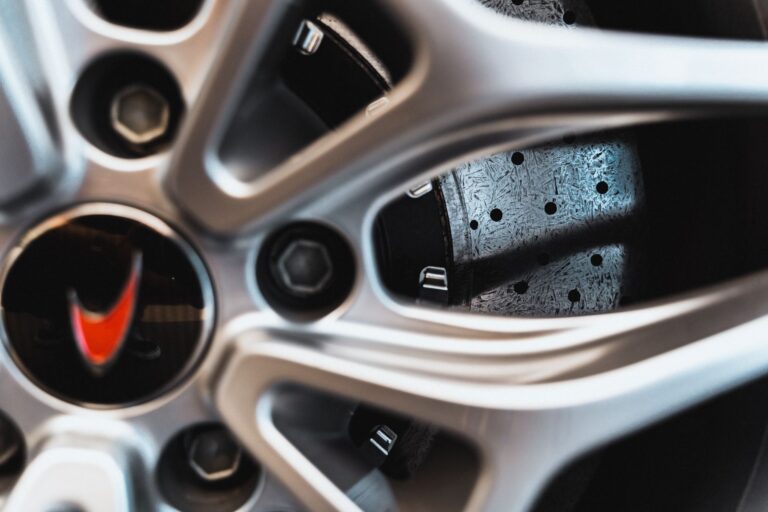
The U9X is a testament to cutting-edge automotive technology. While the version used for the record attempt was nearly identical to the 30 customer models slated for production, it featured some critical enhancements. Among these were track-level semi-slick tires, specially developed by Giti, and a custom-tuned fully active suspension system. These modifications were crucial in ensuring the car’s performance and stability at extreme speeds. The tires, in particular, played a significant role in maintaining traction and handling.
Another key aspect of the U9X’s engineering is its powertrain, which theoretically possesses the capability to exceed the current speed record. However, as the driver noted, even a slight increase in speed, such as an additional 4 mph (approximately 6 kilometers per hour), could present entirely new challenges. At these speeds, small increments can lead to disproportionately large changes in dynamics and safety considerations.
Breaking the Record: A Milestone Achieved
The U9X's recent record-breaking attempt was a momentous occasion. The vehicle surpassed the previous record by a margin of approximately 3.7 mph (6 kilometers per hour), a feat that the driver, Basseng, regarded with satisfaction. Despite falling just short of the 311 mph target, the achievement was celebrated as a significant milestone. The focus was not just on reaching an arbitrary figure but on the precision and skill required to achieve such a mark.
Basseng expressed no frustration at not breaking the 311 mph barrier. Instead, he emphasized the importance of recognizing the accomplishment and the potential for further advancements. The record-breaking run serves as both an inspiration and a challenge for future endeavors. The U9X's performance is a reminder of the possibilities that lie within the realm of high-speed engineering, pushing the boundaries of what is considered feasible.
Looking Ahead: The Future of High-Speed Driving
The record set by the U9X opens the door to new possibilities in high-speed automotive engineering. While the current focus is on refining and enhancing the vehicle's capabilities, the broader implications for the automotive industry are profound. The pursuit of speed has always been a driving force behind technological innovations, and the U9X is no exception.
As manufacturers continue to push the limits of what's possible, the lessons learned from the U9X's development and testing could have far-reaching impacts. These advancements may lead to improvements in vehicle safety, efficiency, and performance across various sectors. The question now is how these innovations will be integrated into future models and what new challenges and opportunities they will present.
The U9X's achievement in approaching 311 mph is a remarkable feat, highlighting both the potential and the challenges of high-speed driving. As the automotive industry continues to evolve, one must wonder: What will be the next frontier in the quest for speed, and how will it shape the future of transportation?