

“AMG Won’t Let the V-8 Die”: Mercedes Engineers Use Music Producers to Make Electric Supercars Sound Just as Wild as Gas-Powered Beasts
 By
Keisha Holloway
By
Keisha Holloway
| IN A NUTSHELL |
|
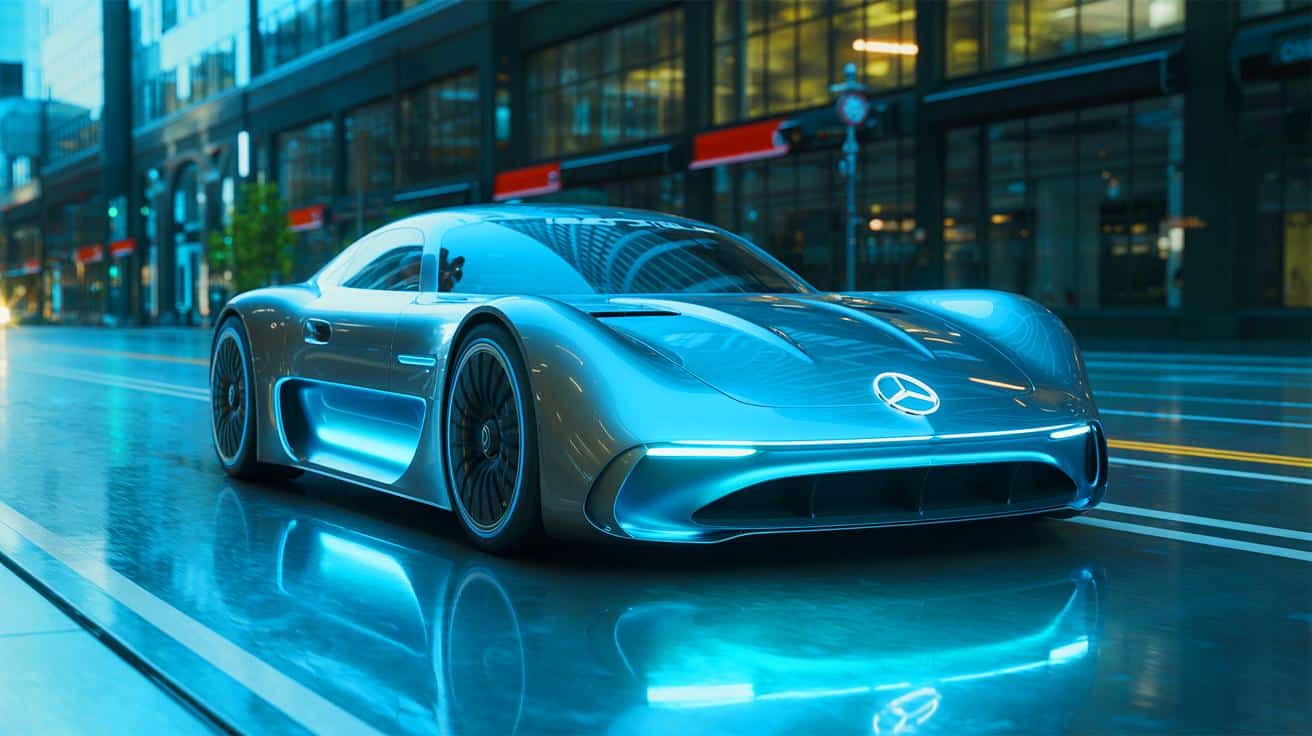
As the automotive industry shifts towards sustainability, traditional sports car enthusiasts often express skepticism about electric vehicles (EVs) delivering the same emotional thrill as their gasoline-powered counterparts. Despite electric vehicles offering superior performance on paper, many purists still favor the classic internal combustion engine (ICE) experience. Mercedes, through its AMG division, aims to bridge this gap by channeling decades of gasoline engine expertise into fully electric vehicles. The challenge is to replicate the emotional connection and driving excitement that enthusiasts have come to expect from performance cars. With this goal in mind, AMG is committed to creating electric sports cars that can stand alongside their gasoline-powered predecessors.
AMG’s Electric Vision
In a recent interview with WhichCar, Michael Schiebe, the outgoing CEO of AMG, discussed Mercedes’ ambitious plans for high-performance electric vehicles. Before transitioning to a new role focusing on production and quality, Schiebe highlighted AMG’s ongoing efforts to infuse electric vehicles with the same thrill and excitement found in traditional sports cars. The engineers, who previously specialized in combustion engines, are now channeling their expertise into developing high-performance electric vehicles.
One of AMG’s key strategies is to simulate the beloved sound of the V-8 engine. By employing experts from the music industry as sound engineers, AMG aims to recreate the auditory experience that many drivers associate with powerful sports cars. Schiebe emphasized the importance of maintaining an emotional connection with the vehicle, ensuring drivers receive feedback that enhances the driving experience. This approach underscores AMG’s commitment to delivering electric vehicles that resonate with both new and long-standing customers.
Balancing Tradition and Innovation
While AMG is advancing its electric vehicle lineup, it acknowledges that not all enthusiasts will be easily swayed. The transition from a V-8 engine to a four-cylinder plug-in hybrid in the C63 model was met with resistance from purists. To address this, AMG is developing a new eight-cylinder engine that promises greater power and efficiency than its predecessors. This engine will be compliant with future Euro 7 standards, ensuring compatibility with stringent emission regulations in the European Union.
Despite the move towards electrification, the new V-8 is expected to be available until at least 2027, catering to regions where emission regulations are less restrictive. This dual strategy allows AMG to cater to both traditionalists and those eager to embrace electric performance. By offering a diverse range of options, Mercedes ensures that it can satisfy a broad spectrum of customer preferences, maintaining its reputation as a versatile automaker.
The Broader Context of Electrification
AMG’s pivot towards electrification reflects a broader trend across the automotive industry. As regulations tighten, manufacturers are increasingly investing in hybrid and electric technologies. In parts of Europe, vehicles with large engines are subject to heavy taxes, incentivizing the development of more efficient alternatives. For instance, in Ireland, a BMW M5 is significantly cheaper than an M3, due to the latter’s higher tax bracket linked to its non-electrified powertrain.
This economic pressure is driving automakers, including BMW and Audi, to integrate hybrid systems into their performance models. The upcoming M3, slated for 2028, is rumored to feature a mild-hybrid inline-six engine, while Audi’s RS models are expected to adopt plug-in hybrid configurations. These developments highlight the industry’s shift towards sustainable performance, balancing environmental responsibilities with consumer demands.
Future Prospects for Performance Cars
Mercedes’ dual approach underscores a critical juncture in the evolution of performance cars. By developing both electric and gasoline-powered vehicles, the automaker is poised to navigate the transition towards a more sustainable future while respecting the legacy of traditional sports cars. This strategy not only accommodates varying consumer preferences but also positions Mercedes to adapt to changing regulatory landscapes globally.
As AMG and other performance divisions continue to innovate, the future of sports cars promises to be both exciting and diverse. The challenge lies in maintaining the emotional connection that drivers cherish while meeting the demands of a rapidly changing world. How will the next generation of enthusiasts respond to this evolving landscape of performance vehicles, and what innovations will they demand to keep the thrill of driving alive?