


“Cheapest EV in America Costs Less Than 2011 Original”: Nissan’s 2026 LEAF Delivers 303-Mile Range With Tesla Supercharger Access Starting Under $30,000
 By
Ethan Kowalczyk
By
Ethan Kowalczyk
| IN A NUTSHELL |
|
In a rapidly evolving automotive market, Nissan continues to be at the forefront of electric vehicle innovation with the introduction of the 2026 LEAF. Originally launched in 2011, the Nissan LEAF was one of the pioneering electric vehicles that aimed to make sustainable transportation accessible to the masses. Fast forward to today, the 2026 model represents the third generation of this iconic vehicle, embracing significant enhancements while maintaining its reputation for affordability. As electric mobility becomes more mainstream, Nissan’s strategic updates to the LEAF are poised to capture the attention of eco-conscious consumers seeking a balance between cost, performance, and practicality.
Revolutionary Changes and Retained Legacy
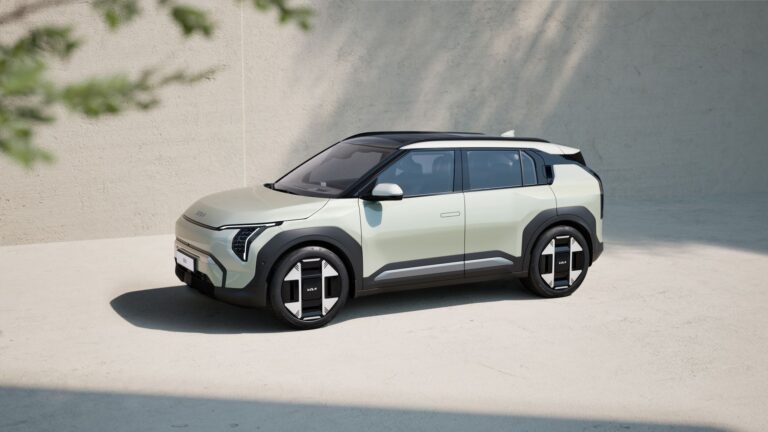
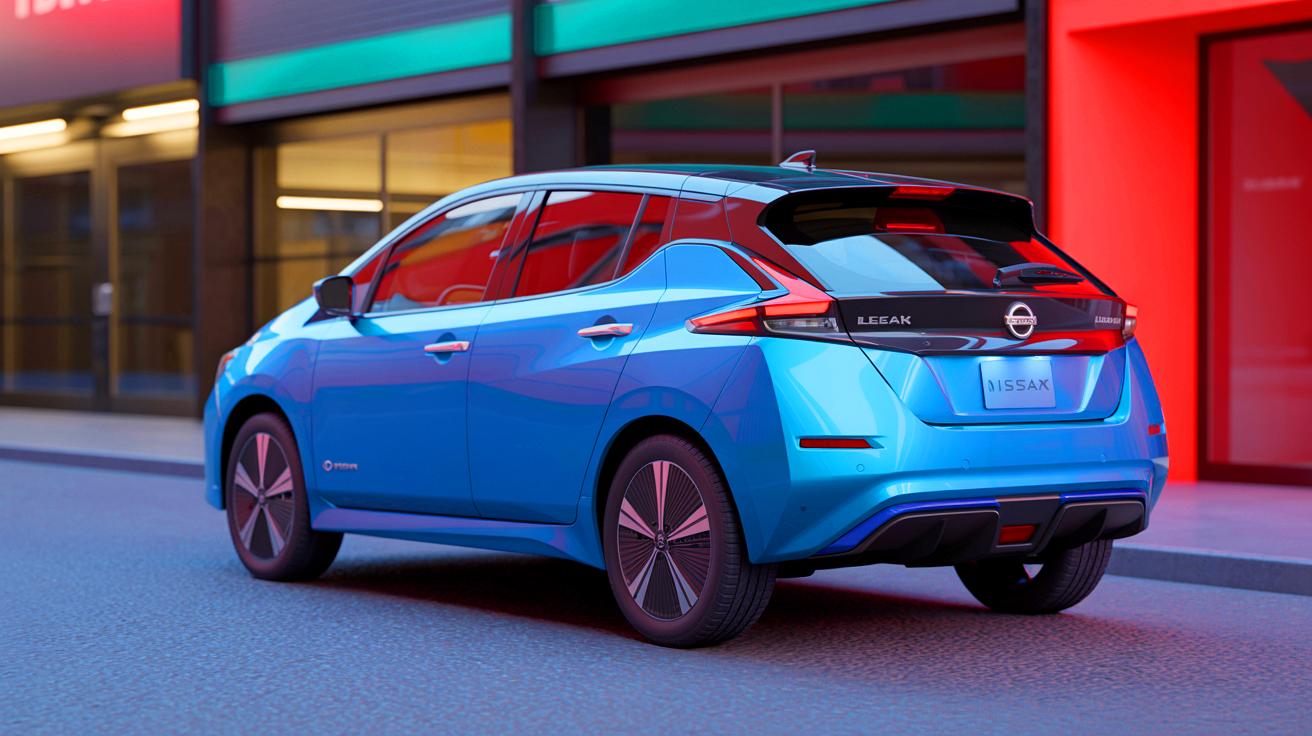
When the Nissan LEAF first hit the market in 2011, it was a compact hatchback aimed at early adopters of electric vehicles. The world of EVs has transformed dramatically since then, and Nissan has adapted accordingly. The 2026 LEAF has evolved into a crossover SUV, yet it still retains the familiar lines that have made it recognizable worldwide. This transformation is not merely cosmetic; the vehicle now boasts substantial improvements that set it apart from its predecessors.
While its shape has changed, the LEAF remains committed to affordability. With a starting MSRP of under $30,000, it is currently the most cost-effective new EV available in the United States. Notably, this price is lower than the original 2011 model, which started at $32,780. Such strategic pricing underscores Nissan’s commitment to making electric vehicles accessible to a broader audience, aligning with the growing demand for sustainable and budget-friendly transportation options.
Enhanced Range and Charging Capabilities
The 2026 LEAF offers a significant leap forward in terms of range. The entry-level model now provides up to 303 miles on a full charge, tripling the original 2011 LEAF’s range of under 100 miles. This improvement is facilitated by a 75-kWh liquid-cooled lithium-ion battery, a testament to Nissan’s focus on advancing battery technology. Additionally, the vehicle supports DC rapid charging, allowing a charge from 10% to 80% in merely 35 minutes.
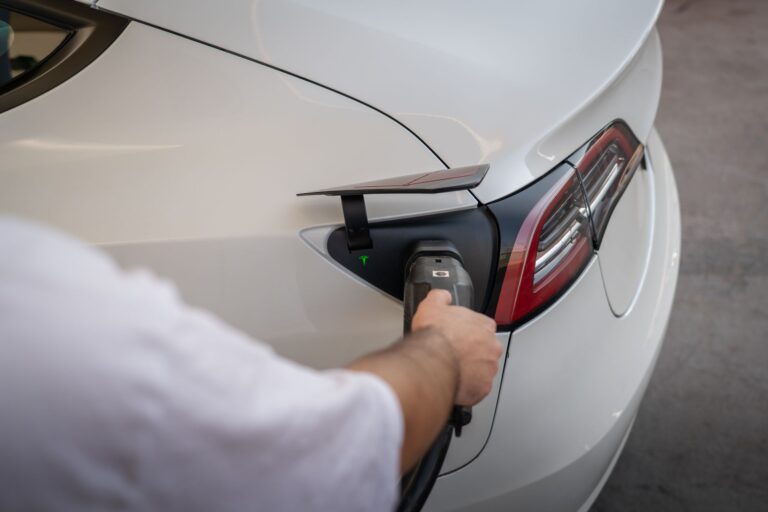
A notable innovation in the 2026 LEAF is the inclusion of a NACS charging outlet, which grants access to Tesla’s Supercharger network. This development addresses the charging constraints associated with previous models, promising greater convenience and flexibility for drivers. The improved range and charging capabilities redefine the LEAF’s appeal, making it a more viable option for long-distance travel and daily commuting alike.
“680 Horsepower in 4 Seconds”: Volvo ES90 Destroys Tesla With 435-Mile Range and Lightning Charging
Trim Levels and Feature Enhancements
Nissan has introduced three primary trim levels for the 2026 LEAF: S+, SV+, and Platinum+. Each trim level benefits from the same 75-kWh battery and a motor delivering 214 horsepower and 261 lb.ft of torque. The S+ trim, priced at $31,485, offers the best range at 303 miles and includes features such as a dual 12.3-inch screen setup and a four-speaker sound system.
The SV+ trim, starting at $34,230, includes enhancements like 18-inch alloy wheels, heated front seats, and a larger 14.3-inch infotainment screen with NissanConnect features. However, these upgrades come with a trade-off in range, which is reduced to 288 miles. At the top end, the Platinum+ trim, priced at $38,990, offers luxury features such as heated rear seats, a Bose audio system, and advanced lighting options, with a range of 259 miles. These diverse trim options cater to different consumer preferences, balancing luxury and practicality.
Affordability and Market Competition
The 2026 LEAF’s pricing strategy is a crucial aspect of its competitive positioning. In addition to the S+, Nissan plans to introduce an even more affordable trim that will feature a 174-hp AC synchronous electric motor paired with a 52-kWh battery. This variant, while offering lower power and range, aims to further reduce the entry barrier for consumers interested in electric vehicles.
As the 2026 LEAF prepares to hit the market in the fall, it faces competition from contenders like the upcoming Chevrolet Bolt. Despite this, the LEAF holds the distinction of being the most affordable new EV in the market, particularly with its economical S+ trim. Nissan’s aggressive pricing and expansive feature set offer consumers an attractive combination of value and innovation in the growing EV landscape.
The unveiling of the 2026 Nissan LEAF highlights the ongoing evolution of electric vehicles. By combining affordability with enhanced performance and range, Nissan is setting a new standard for accessible electric mobility. As the automotive industry continues to shift towards sustainable solutions, how will other manufacturers respond to the competitive pricing and innovations introduced by the new LEAF? The landscape of electric vehicles is poised for significant change, and consumer preferences will undoubtedly shape the future of this dynamic market.