

“Chinese Electric Car Hits 293 Miles Per Hour”: BYD Supercar Breaks World Speed Record While 3,000 Horsepower Motors Destroy Gas Engine Competition Forever
 By
Avi Cohen
By
Avi Cohen
| IN A NUTSHELL |
|
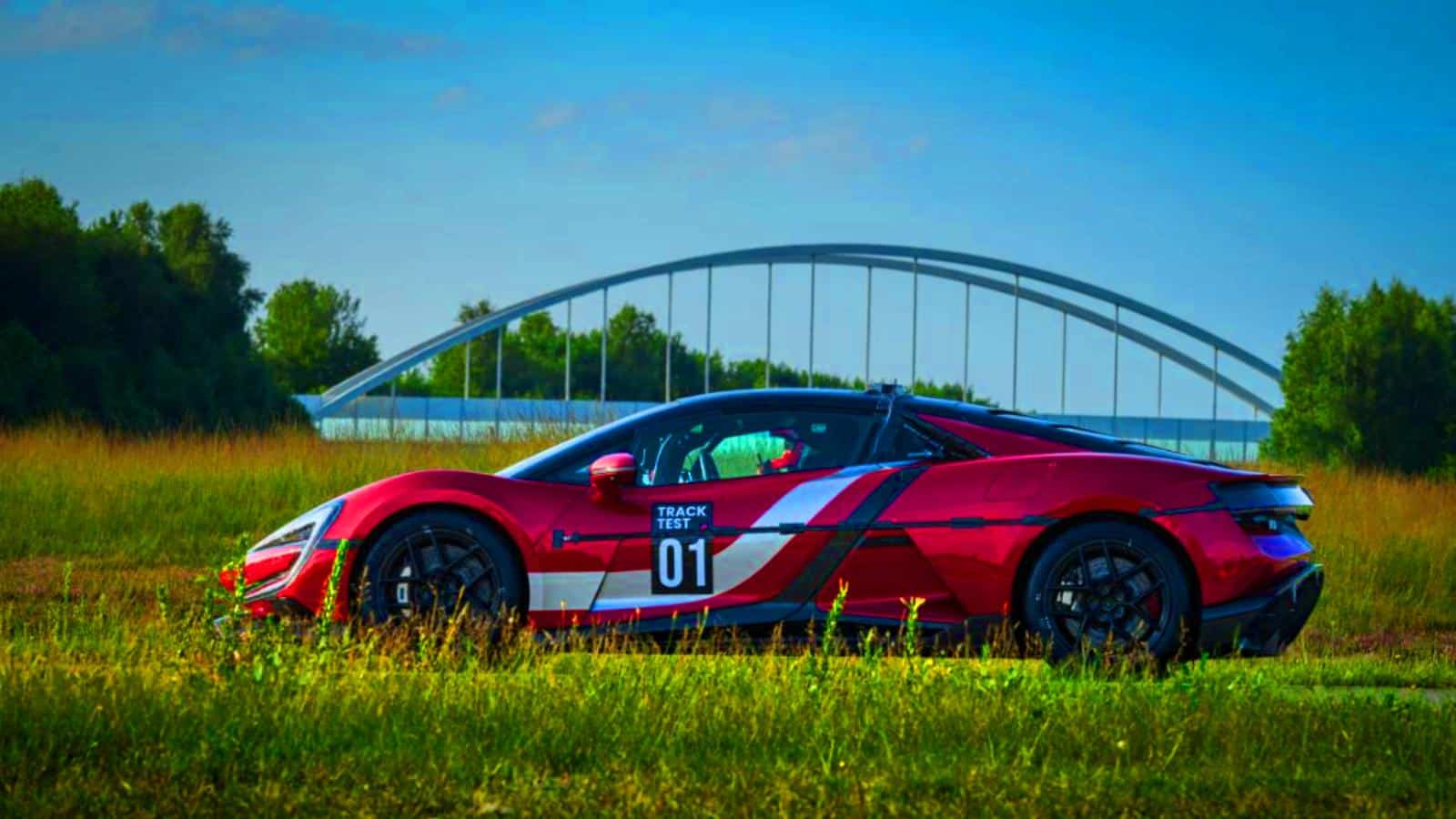
In the ever-evolving landscape of electric vehicles (EVs), a new milestone has been achieved by the Chinese car manufacturer BYD with its YANGWANG U9 Track Edition. This fully electric supercar has shattered the previous EV speed record by reaching an astonishing top speed of 293.54 mph. This feat was accomplished on August 8 at the ATP Automotive Testing Papenburg test track in Germany. By outpacing the Rimac Nevera R’s record set in July, the YANGWANG U9 Track Edition has positioned itself as the world’s fastest electric vehicle, challenging the dominance of traditional gasoline-powered supercars.
The Technology Behind the Speed
The YANGWANG U9 Track Edition’s capability to break the EV speed record can be attributed to its impressive technological advancements. The car boasts an extraordinary 2,960 horsepower, with a power-to-weight ratio that allows it to achieve remarkable acceleration and top speed. The vehicle’s design includes four independent electric motors, each contributing to its overall performance. This innovative configuration, combined with a four-wheel torque control system, ensures optimal handling and stability at high speeds.
One of the standout features of the YANGWANG U9 is its lithium iron phosphate “Blade Battery.” This battery technology, known for its flat, rectangular shape, offers enhanced energy density and efficient cooling. This allows the vehicle to maintain peak performance even under extreme conditions. The battery can be charged from 30% to 80% in only half an hour, providing both convenience and efficiency for drivers.
Breaking Barriers with Advanced Engineering
BYD's engineering team has implemented several cutting-edge technologies to enable the YANGWANG U9 Track Edition to achieve its record-breaking speed. One notable innovation is the introduction of a temperature control system specifically designed for the battery and motor. This system ensures that the vehicle operates optimally even when pushed to its limits.
Additionally, the YANGWANG U9 Track Edition is built on the world's first mass-produced 1200V ultra-high-voltage vehicle platform. This groundbreaking development elevates the vehicle's electrical components, such as the battery and the power supply, to a higher voltage level. The result is improved efficiency and performance, setting a new standard for electric vehicles.
The Future of Electric Supercars
The YANGWANG U9 Track Edition's achievement marks a significant step forward in the evolution of electric supercars. With its record-breaking speed, this vehicle demonstrates that electric cars are closing the gap with their gasoline counterparts. The fastest road-legal gasoline cars, such as the Koenigsegg Jesko Absolut and the SSC Tuatara, have reached similar speeds. However, the YANGWANG U9's success highlights the rapid advancements in EV technology.
As electric vehicles continue to evolve, they are poised to play an increasingly prominent role in the automotive industry. The success of the YANGWANG U9 Track Edition showcases the potential for electric supercars to compete on equal footing with traditional high-performance vehicles. This development underscores the growing importance of sustainable transportation solutions.
Implications and Challenges
The success of the YANGWANG U9 Track Edition raises important questions about the future of the automotive industry. As electric vehicles become more capable of competing with gasoline-powered cars, manufacturers face new challenges. The need for infrastructure to support high-speed electric vehicles, such as fast-charging stations, will become increasingly important.
Moreover, the development of electric supercars like the YANGWANG U9 highlights the importance of continued innovation in battery technology and energy management systems. As manufacturers strive to push the boundaries of what is possible, the focus on sustainability and efficiency will remain paramount.
The YANGWANG U9 Track Edition's record-breaking achievement prompts us to consider the future trajectory of electric vehicles. As technology advances and consumer preferences shift, how will the automotive landscape evolve to accommodate the growing demand for high-performance, sustainable transportation options?