


“Your Car Can Actually Fly”: Alef Secures Silicon Valley Airspace Approval For $300K Flying Vehicle With 3300 Preorders
 By
Ethan Kowalczyk
By
Ethan Kowalczyk
| IN A NUTSHELL |
|
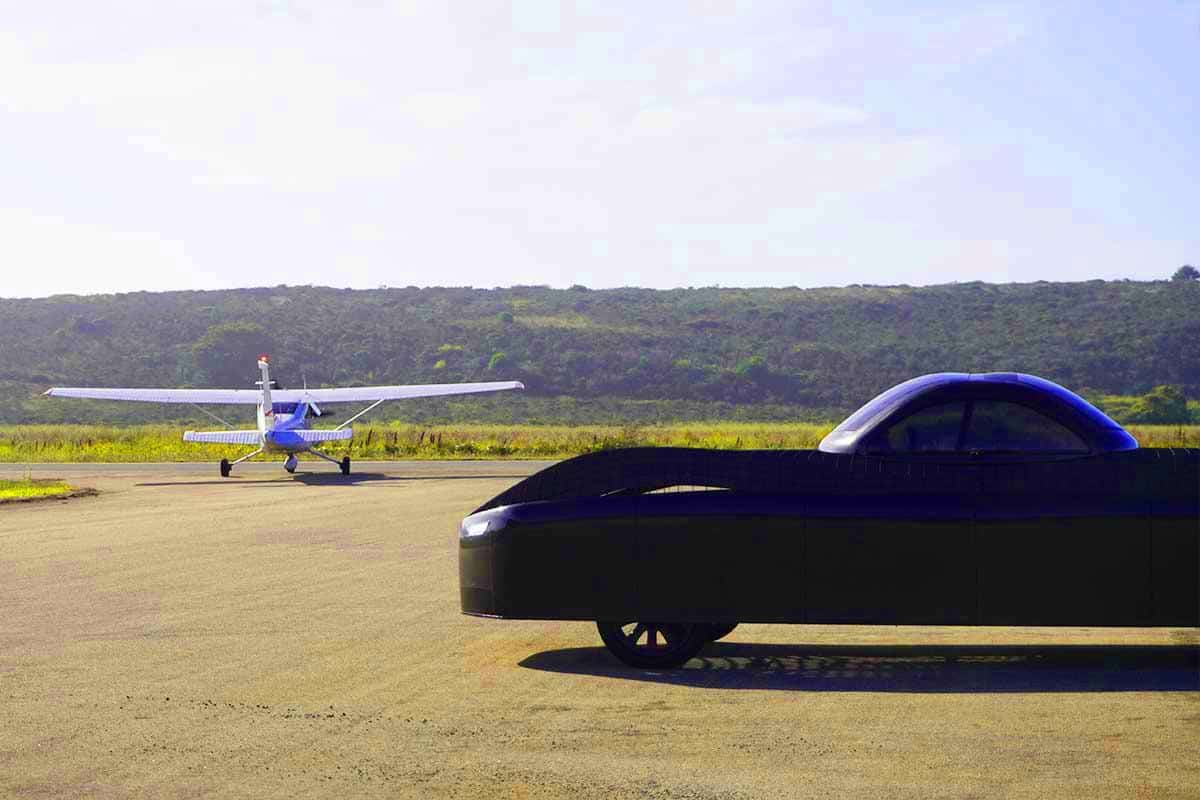
In an era where technological advancements are reshaping transportation, Alef, an innovative company, has taken a significant step forward in the realm of flying cars. The company has secured the necessary approvals to conduct limited operations at two aerodromes in Silicon Valley. These locations, chosen for their suitability for experimental operations, allow for controlled demonstrations while respecting traditional air traffic. Alef’s initial flight tests will feature the ultralight Model Zero prototype, with plans to advance to more sophisticated models, including the highly anticipated Model A, which is designed for both road travel and vertical takeoff.
A Hybrid Technological Breakthrough
The Model A by Alef represents a revolutionary leap in vehicular technology. It is a fully electric land vehicle capable of taking to the skies with the aid of eight internal rotors cleverly concealed beneath its body. During takeoff, the vehicle’s body rotates 90 degrees to assume a flight configuration inspired by tandem-wing biplanes. The cockpit is mounted on a stabilization system, ensuring passenger comfort during the transition between transportation modes.
The Model A boasts a road range of approximately 200 miles and a flight range exceeding 105 miles, targeting a high-end clientele with a launch price of $300,000. Despite this steep price, Alef claims to have already secured over 3,300 preorders, underscoring the strong interest in this pioneering technology. The vehicle’s ability to seamlessly switch between driving and flying modes distinguishes it from other electric vertical takeoff and landing (eVTOL) projects.
Toward Integration Into Air Traffic
Jim Dukhovny, CEO of Alef, emphasizes that the vehicle is fundamentally a car. “It is primarily a car. The innovation lies in its integration with the existing aeronautical infrastructure and air traffic,” he remarked. By operating in secure and less busy airports, the company aims to collaborate with local authorities and the Federal Aviation Administration (FAA) to establish protocols for large-scale integration.
Alef also plans to incorporate advanced features such as safety notifications and obstacle recognition assisted by artificial intelligence. This initiative aims to ensure that their vehicles not only blend with current air traffic systems but also enhance safety and efficiency. The collaboration with regulatory bodies is crucial for setting the groundwork for future widespread adoption of flying cars.
How supercars are changing the face of automotive technology
Certification and Market Launch
In 2023, Alef achieved a significant milestone by obtaining a special airworthiness certificate from the FAA for its prototype, authorizing limited flights for development and demonstration purposes. For road use, the company is considering certification as a “low-speed vehicle.” Additionally, Alef aims to leverage the new MOSAIC regulatory framework being developed by the U.S. aviation authority to certify its product as a light sport aircraft.
The company plans to commence production of the Model A between late 2025 and early 2026. This timeline reflects the company’s commitment to delivering a viable flying vehicle to the market, with the potential to revolutionize how people perceive and interact with transportation. The certification process and subsequent production are crucial steps in transforming the concept of flying cars from a futuristic dream into a practical reality.
Why trucks remain essential for small businesses in the modern era
The Future of Flying Cars
Alef’s groundbreaking efforts raise the question: will flying cars become a staple of future transportation? The company’s progress in securing necessary approvals and developing advanced technology indicates a promising path forward. However, the integration of flying vehicles into everyday life presents challenges in terms of regulation, infrastructure, and public acceptance.
The potential benefits of such technology are significant, offering new dimensions of mobility and connectivity. Yet, the societal and logistical implications remain to be fully explored. As Alef continues its journey toward launching the Model A, it prompts a broader conversation about the future of transportation. What role will flying cars play in reshaping the way we move through the world?
Continue reading