

Every corner of the automotive world is abuzz. As the calendar turns, the promise of transformative innovation is palpable on the roads ahead. Between urban crosswalks and winding country highways, manufacturers in 2025 are unveiling machines that seem to leap from sketches of a near future long imagined. Electric vehicles are no longer novelties, and familiar giants like Ford, Tesla, and General Motors stand shoulder to shoulder with disruptors such as Rivian and Lucid Motors. With bold designs, electrifying performance, and sustainability at their core, these new models are rewriting the expectations of what drivers will demand and desire. Behind the scenes, engineers and visionaries continue to refine not only each chassis and circuit but also the very concept of car ownership and experience. The journey into this new era is anything but predictable, and the stories ready to unfold on highways worldwide are more intriguing than ever.
Next-Generation Electric Vehicles Taking Center Stage in 2025
It was not long ago that electric cars were reserved for early adopters willing to trade convenience for a glimpse of the future. Now, they’ve become the main event. Tesla expands its lineup, introducing features that border on science fiction—advanced battery systems, intuitive autonomy, and city-optimized mobility. A new chapter opens for models such as the Tesla Model Q and a reinvented crossover, turning heads and stirring up demand as battery ranges and charging speeds outpace expectations.
Meanwhile, Rivian cements its reputation for rugged yet refined electric trucks, delivering vehicles tailored for adventure-seekers who also value eco-conscious engineering. Lucid Motors continues to dazzle with ultra-luxury sedans, while General Motors and Ford broaden the electric SUV market, making emission-free driving accessible to families and professionals alike.
| Brand | Key Model | Battery Range (mi) | Segment |
|---|---|---|---|
| Tesla | Model Q | 380 | Crossover |
| Rivian | R2 Adventure | 340 | Truck |
| Lucid Motors | Air S Lux | 420 | Sedan |
| Ford | Explorer EV | 310 | SUV |
| General Motors | Chevy Bolt Next | 270 | Hatchback |
Impact of Battery Innovations and Energy Infrastructure
Families like the Robinsons, weighing up an upgrade in 2025, now find themselves debating not whether to go electric but which EV best suits their lifestyle. Battery innovations have shattered earlier limits, delivering faster recharge times and extended ranges that reframe long-distance trips as effortless. Cities invest in rapid-charging corridors, while rural communities see an uptick in adoption thanks to new infrastructure. As a result, barriers that once hindered electric cars are rapidly dissipating, offering newfound freedom to city dwellers and highway commuters alike.
Design Trends and Technology Shaping Tomorrow’s Cars
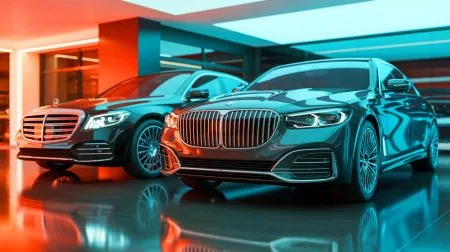
The difference is visible before the engine even starts. Automotive design has taken a leap forward, merging bold aesthetics with aerodynamic efficiency. BMW and Mercedes-Benz emerge as stars, unveiling sweeping silhouettes, expansive digital dashboards, and a distinctly premium feel, even in their most compact electric vehicles. Connectivity, too, is no longer a luxury: Hyundai’s city cars now feature fully integrated AI driving assistants, reading not just the road but predicting traffic and energy needs ahead of time.
Car interiors are more than comfort—they are ecosystems. The software-driven cabins enable seamless updates, meaning your vehicle evolves with your needs. Technologies first pioneered in Nio’s Chinese megacity labs—voice controls, facial recognition for security, and personalized climate zones—have become the new global standard.
| Car Maker | Tech Highlight | Design Note |
|---|---|---|
| BMW | Augmented Reality HUD | Sculpted minimalism |
| Mercedes-Benz | Smart cabin sensors | Sensual Purity Concept |
| Hyundai | AI Co-Pilot | Urban Compact Line |
| Nio | Biometric Access | Zero-gravity seats |
| Toyota | Solar roof panels | Modular family interiors |
Smart Mobility Features Rewriting Daily Drives
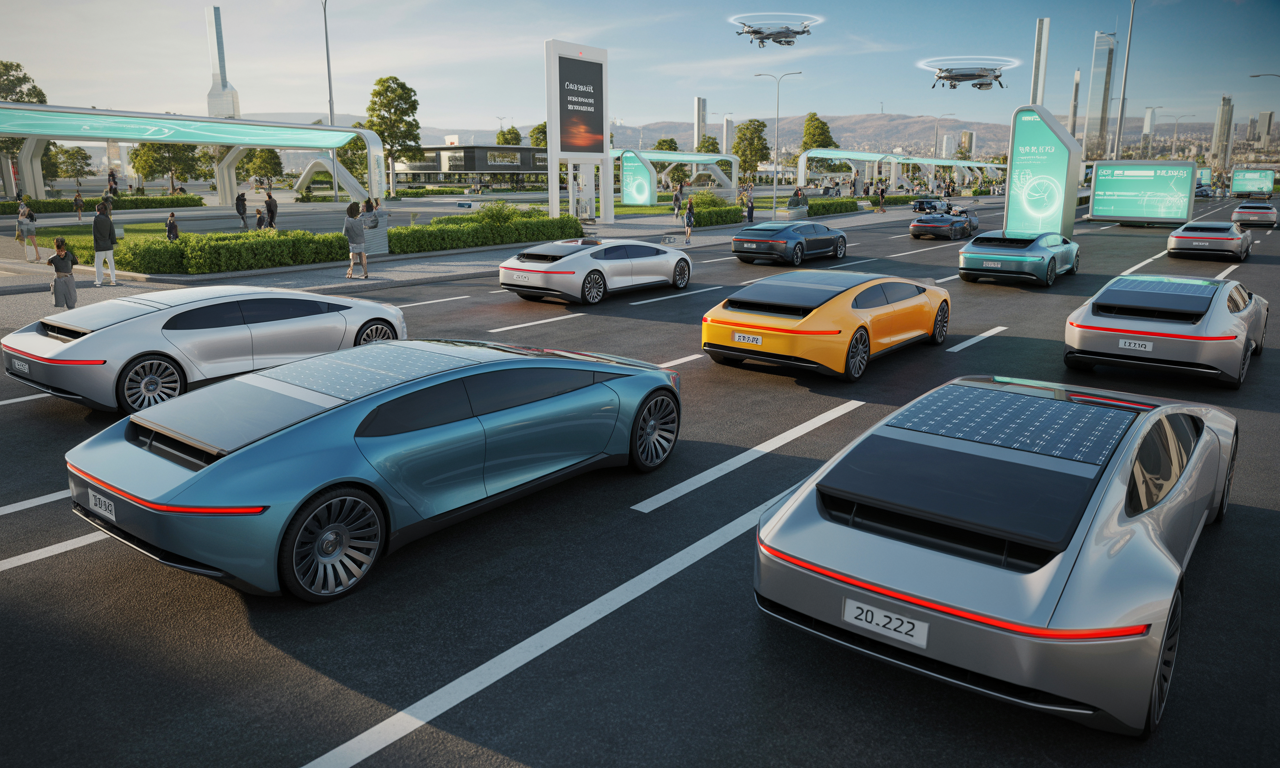
For Owen, a tech consultant commuting through sprawling metropolitan sprawl, new advancements translate to less time spent grappling with traffic and logistics. Autonomous driving systems—standard in new releases from General Motors and Mercedes-Benz—allow drivers precious moments to catch up on messages or simply enjoy the skyline. Meanwhile, new hybrid and plug-in technologies see cars like Toyota’s urban models brimming with innovation, perfectly suited to evolving city landscapes.
Iconic Model Launches and Anticipated Market Shifts
It’s a season of comebacks and bold new beginnings. The Renault 5 makes a grand entrance, marrying nostalgia with zero-emission performance, while the buzz surrounding the Toyota and Kia launches has passionate fans and practical families watching dealers’ announcement boards closely. Electric SUVs and hybrids lead the wave, and even Volkswagen freshens its offerings with compact models for the eco-conscious commuter.
Cost is no longer an insurmountable obstacle. Innovations in pricing structures and government incentives have bridged the affordability gap, making it easier for buyers to embrace the electric revolution. Flexible financing and an ever-improving pre-owned EV market—according to recent trends observed on the used car front—signal a fundamental democratization of future mobility.
Market Opportunities and New Driving Experiences
Rekha, a mother of three, finds herself drawn not only to the improved safety ratings at her local Ford dealership but also to the irresistible subscription models that let her swap between a compact and an SUV month to month. The benefits of EVs in 2025 aren’t limited to efficiency—they extend to lifestyle, flexibility, and personalized experiences behind every wheel.
The Rise of Electric Sports Cars and Sustainable Performance
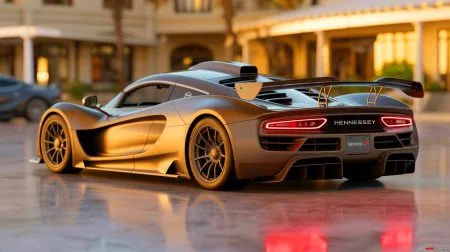
Speed lovers are not left on the roadside. Performance EVs have burst onto the scene, with Toyota and Volkswagen unveiling electrifying sports models balancing pure thrill with conscience-driven engineering. Hybrid powertrains allow casual drivers to flirt with racetrack acceleration without second-guessing carbon emissions. The Alfa Romeo Giulia EV illustrates how Italian design blends seamlessly with the latest drivetrain technology, promising both serenity and exhilaration from 0 to 60 mph in a blink.
Each release is a testament to how the automotive market is finding new ways to unite eco-responsibility and pleasure. Engineers design not just for numbers on spec sheets but for the practiced smile that graces a driver’s face as the road unfolds ahead.
How Traditional Brands Are Adapting to the Electric Sports Trend
Even legacy automakers are forced to adapt or risk irrelevance. BMW’s latest coupe boasts a blend of classic styling and instant electric torque, while Rivian’s pickup demonstrates that power needn’t come at the planet’s expense. Comparison data show electric vehicles now outpacing traditional gas cars, not just in acceleration but in cost of ownership and environmental impact—trends that matter deeply to today’s discerning buyers.
Real-World Adoption: Incentives, Pricing, and Everyday Use
As mass adoption becomes reality, government initiatives across Europe, the US, and Asia have reshaped the calculus for buyers. Rebates and tax credits make new and even certified pre-owned electric cars attractive to a broader cross-section of drivers. Financing models adapt too, from short-term leases for city dwellers to battery-as-a-service programs pioneered by Asian brands like Nio, lowering the cost barrier further.
The daily stories—students biking past the latest Hyundai EV at campus charging docks, rideshare drivers tallying lower fuel costs, and families planning road trips with greater confidence—illustrate how these vehicles are seamlessly integrating into the rhythms of everyday life. For many, the question has shifted from “Why choose electric?” to “Which electric car tells my story?”
Comparison of Pricing and Incentives: Electric vs. Hybrid vs. Gas
| Vehicle Type | Starting Price (USD) | Typical Incentive | Average Yearly Savings |
|---|---|---|---|
| Electric | 32,000 | Up to $7,500 | $900 (energy/fuel) |
| Hybrid | 28,000 | Up to $4,000 | $600 |
| Gas | 24,000 | Varies | $0 |
How Used EVs Will Change the Market
In the used-car sector, the rebound is already visible. Buyers who wouldn’t have considered a new Tesla or Hyundai now have access to reliable, well-equipped models at prices rivaling traditional engines. The benefits of this shift ripple outward, expanding access to clean tech and setting up a virtuous cycle for the entire automotive ecosystem.
Explore the best family EVs, stay tuned for latest launches, and compare hybrid-ICE differences here as the electric road unfolds before us.
Frequently Asked Questions about Future Cars in 2025
What are the key differences between electric, hybrid, and traditional gas cars in 2025?
Electric vehicles run solely on battery power, offering zero emissions and lower running costs. Hybrids use a combination of gasoline engines and electric motors, improving fuel efficiency but not eliminating exhaust. Traditional gas cars, while often less expensive upfront, are increasingly outpaced by electric and hybrid counterparts in both technology and environmental standards. Learn more.
Which automakers are leading innovation in the 2025 car market?
Brands like Tesla, Rivian, Lucid Motors, Ford, General Motors, BMW, Mercedes-Benz, Hyundai, Toyota, and Nio are all pushing boundaries, introducing new electric, autonomous, and sustainable models. Each brings unique strengths, from luxury tech to rugged off-road capability.
Are electric cars affordable for most drivers in 2025?
Thanks to incentives, expanding used EV inventories, and new financing options, electric vehicles are more affordable than ever. Price parity with traditional vehicles has largely been reached for many segments, especially when accounting for fuel and maintenance savings.
How has battery technology improved for 2025 models?
Major improvements include greater range, shorter charging times, and increased longevity. These advances make it practical for everyday users to consider electric vehicles for city driving and long-distance travel alike.
What should buyers look for in choosing a future car this year?
Consider range, charging accessibility, connectivity features, and your typical usage pattern. Explore both new and used EVs, and take advantage of available incentives to find a model that meets your needs today—and is ready for tomorrow’s journey.
Did you like it? 4.4/5 (25)