



Hybrid vs. gasoline SUVs: what’s best for you?
 By
Renée Castellano
By
Renée Castellano
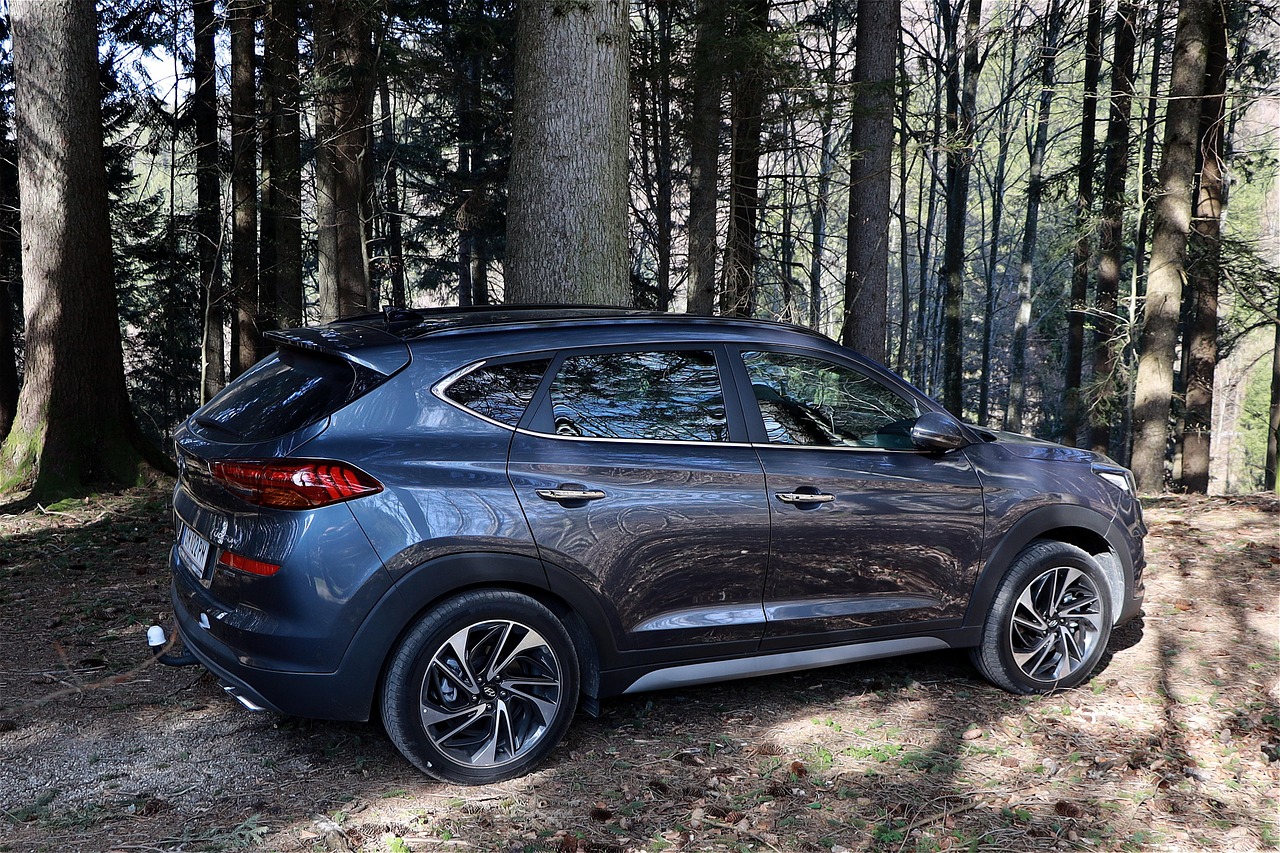
Across American highways and urban landscapes, the SUV has become more than a vehicle (it’s a statement of lifestyle, aspiration, and practical necessity. The choice between hybrid SUVs and traditional gasoline models now sits at the crossroads of environmental consciousness, rising energy prices, and ever-evolving technology. In 2025, families like the Martins in Austin find themselves weighing not just sticker prices, but the full trajectory of savings, maintenance, and even the legacy of what their choice means for the next decade. Brands such as Toyota, Honda, Ford, Chevrolet, Hyundai, Kia, Nissan, Lexus, Jeep, and Subaru, each stake out claims to efficiency, power, and style. Yet, the decision isn’t made in the dealership lot alone) it depends on daily habits, values, and the push-pull between up-front costs and long-term benefits, while considering new innovative models from market leaders and upstarts alike. It’s an era of choices, challenges, and opportunity, where every mile is a statement.
Comparing up-front costs: Hybrid SUVs versus gasoline rivals
When shopping for a new SUV, price typically commands the first conversation. The uptick in demand for hybrids since the early Prius days has pushed automakers to offer more budget-friendly, attractive, and efficient options. For the Martins, the difference between a hybrid and a gas-powered SUV like a Ford Escape or Toyota RAV4 comes down to more than just a few thousand dollars, it’s about what comes included, and how those features add up over the life of the vehicle.
| Model | Base Price (2025 est.) | Powertrain | Key Standard Feature |
|---|---|---|---|
| Toyota RAV4 Hybrid | $32,500 | Hybrid | Navigation & Adaptive Cruise |
| Honda CR-V EX Gas | $30,200 | Gas | Blind-spot Monitoring |
| Hyundai Tucson Hybrid | $31,400 | Hybrid | Heated Front Seats |
| Chevrolet Equinox | $29,800 | Gas | Remote Start |
The hybrid models often feature more technology as standard, narrowing the price difference with their gasoline siblings. That up-front gap, as small as $2,000, $3,000 for brands like Kia or Nissan, becomes even slimmer when factoring federal tax credits, sometimes worth up to $7,500. Many look to insights from expert guides and detailed model comparisons to navigate this evolving market landscape. This up-front tradeoff is a scene repeated in driveways across the country, as consumers run the numbers beyond MSRP.
Weighing fuel savings against initial investment in SUVs
Fuel savings bring a different kind of arithmetic to the table. Imagine the Martins considering Honda and Hyundai choices: driving each 12,000 miles annually, the hybrid Honda CR-V can save as much as $700, $900 per year compared to its gas-only twin. In four years, that’s enough to cover their initial price premium, especially with unpredictable gas prices in 2025 keeping energy spending in the spotlight. For some, like the adventurous Subaru Forester hybrid owners, every road trip further tips the scale toward long-term savings. But if you switch vehicles every three years, as is common in leased SUVs, you may never see the fuel cost advantage fully realized.
| SUV Model | Annual Fuel Cost (avg.) | Years to Recoup Hybrid Premium |
|---|---|---|
| Honda CR-V Hybrid | $1,400 | 4.2 |
| Hyundai Tucson Gas | $2,200 | - |
| Kia Sportage Hybrid | $1,350 | 3.9 |
| Ford Escape Gas | $2,100 | - |
Before making a commitment, many buyers consult fuel efficiency analyses and compare lifecycle costs. The daily commute looms large, as hybrids shine in stop-and-go city cycles. Rural drivers, conversely, may see a reduced impact if their routines rarely tap into the electric side of the powertrain. Ultimately, how you drive and how long you keep your SUV will define whether those savings tip the scales in your favor.
Environmental impact of SUV choices: Hybrid, gas, and beyond
Beyond family spreadsheets and ledger sheets, a deeper motivation pushes some drivers to hybrids: a commitment to shrinking their ecological footprint. SUVs are accused of being among the planet’s largest polluters, and as vehicle emissions rose again post-pandemic, new scrutiny focused on American roads. Yet, even as hybrids like the Lexus RX and Nissan Rogue hybrid tout emissions cuts, the conversation is more nuanced. Hybrid batteries, for instance, demand the mining of rare metals, raising their own set of environmental issues, especially as these SUVs age and batteries require replacement or recycling.
Forward-thinking buyers increasingly look for eco-friendly solutions and even seek out used hybrids, mitigating environmental and financial cost by reusing resources and sidestepping initial depreciation. The debate isn’t limited to hybrids and gas, brands like Jeep and Subaru now offer plug-in hybrids, while the electric SUV surge adds yet another dimension. Each choice carries consequences far beyond tailpipes, echoing in city air, raw material supply chains, and even backyard recycling centers, which are featured in stories at future car interiors.
Tax credits and hidden incentives for SUV buyers
For savvy buyers like the Martins, tax credits can tip a close contest. A hybrid SUV from Ford, Kia, or Toyota may unlock federal and local incentives reaching $7,500 or more, enough to bridge most up-front price gaps. Beyond federal programs, California, New York and other states in 2025 offer additional perks: reduced registration fees, HOV lane privileges, and sometimes free city parking for plug-in hybrids or clean emissions vehicles. These incentives shift the entire calculus. Modern buyers can find detailed breakdowns for each model and location via resources like electric car incentives or by consulting trusted guides.
The catch? Eligibility depends on factors such as battery size and manufacturer limits, so double-checking with dealers and government sites is essential. Ultimately, factoring credits into your side-by-side SUV comparison ensures you make a choice based on true cost, not just the sticker price at the dealership.
Don’t overlook diesel and electric alternatives
While the hybrid versus gasoline debate dominates, some car buyers glance sideways at diesel and full-electric models. Diesel SUVs, though less common in the American mainstream, offer longevity and remarkable fuel efficiency, especially for drivers like the Martins who log heavy interstate miles. A diesel Volkswagen Atlas can outperform similar sized gasoline or even some hybrid SUVs for long-range driving, sometimes besting comparable models in real-world miles per gallon, as shown in recent road tests. Still, ongoing concerns about urban diesel bans and emissions keep this segment limited to a niche group of loyalists.
At the same time, electric SUVs from Chevrolet, Hyundai, and Nissan are no longer futuristic outliers. Infrastructure grows, battery ranges improve, and the cost of charging at home is clarified by guides like this resource. Cultural and technological shifts, detailed at future automotive trend analyses, suggest that the next pivot may come sooner than expected. Ultimately, more choices mean buyers can find an SUV perfectly matched to their environmental, financial, and driving preferences.
Real-life factors: Maintenance and lifestyle for SUV owners
Routine maintenance and the rhythm of daily life add another variable. While hybrids like Toyota, Lexus, and Honda boast fewer wear-and-tear items like brake pads (thanks to regenerative braking) they do require eventual battery replacement, often around the 100,000-mile mark. This doesn’t faze long-term Subaru and Jeep hybrid owners, who enjoy lower upkeep costs and improved dependability. Meanwhile, traditional gas SUVs benefit from abundant parts, cheaper repairs, and a broad spectrum of local expertise.
For drivers who put reliability above novelty, classic Ford and Chevrolet models represent a known quantity. But the march of innovation continues, as outlined in technology advancement resources and innovation research. Customizing the right mix of coverage and care becomes a parallel journey, savvy owners seek independent agents, as recommended in peak performance maintenance advice, to tailor policies for their investment in both metal and peace of mind.
Deciding the best SUV: Matching hybrid, gasoline, and lifestyle needs
The crossroads of technology, budget, and ethics means every driver must plot a unique course. For some, like the Martins, the decision merges careful research (via outlets such as Left Lane News and their editorial team) with personal reflection on daily routines, environmental priorities, and family needs. Modern showrooms in 2025, crowded with the latest from Toyota, Hyundai, Kia, Nissan, and Subaru, urge shoppers to research, test drive (see tips here), and budget in ways their parents rarely had to consider.
The best SUV is the one that fits seamlessly into your life, efficient on gas, agile in traffic, generous with space, and kind to your budget. Whether you’re chasing tax credits, a cleaner planet, or simply more miles per tank, today’s choices set the tone for tomorrow’s drive.
Frequently Asked Questions
How long does it take to save money with a hybrid SUV compared to a gasoline model?
Most drivers can recoup the higher up-front price of a hybrid within four to five years of average driving. This varies based on driving habits, local fuel prices, and available tax credits. Tools and calculators, such as those from Left Lane News, help estimate personal payback time.
Are there enough charging stations for SUV hybrids and electrics in 2025?
Charging infrastructure continues to expand rapidly. Most plug-in hybrid owners charge at home, while public stations (especially near urban centers and highways) now support longer journeys and varied routes for electric and hybrid SUV drivers.
What’s the main downside to owning a hybrid SUV?
While hybrids save on fuel and offer tax incentives, their batteries will eventually require replacement, typically after 100,000-150,000 miles. Careful maintenance and choosing a reputable brand like Toyota, Honda, or Ford can extend battery life and minimize hassles.
Which brand makes the most reliable hybrid SUVs?
Brands such as Toyota, Honda, Lexus, Hyundai, and Kia consistently rank high for hybrid reliability. Recent entries from Ford, Chevrolet, Nissan, Subaru, and Jeep have also made significant strides in technology and dependability.
Can I get tax credits for any SUV hybrid in 2025?
No, eligibility for tax credits depends on the battery’s capacity, the manufacturer, and government phase-out limits. It’s crucial to check the latest IRS and local guidelines or visit resources like this incentive directory for current information.