



“300 Miles of Range”: Audi Concept C Destroys Tesla Roadster With 800V Charging and Production Ready by 2027
 By
Graham Pettigrew
By
Graham Pettigrew
| IN A NUTSHELL |
|
Audi is stepping boldly into the future with its latest unveiling, the Concept C. This innovative design marks a significant departure from the past while paying homage to classic models, notably the beloved TT sports coupe. With its sleek, muscular lines and advanced features, the Concept C offers a glimpse into what the future holds for Audi enthusiasts. This two-seater electric convertible showcases the brand’s commitment to combining cutting-edge technology with timeless design aesthetics. As the automotive industry shifts towards electrification, Audi’s Concept C stands as a testament to the brand’s forward-thinking vision.
Design Elements That Define the Concept C
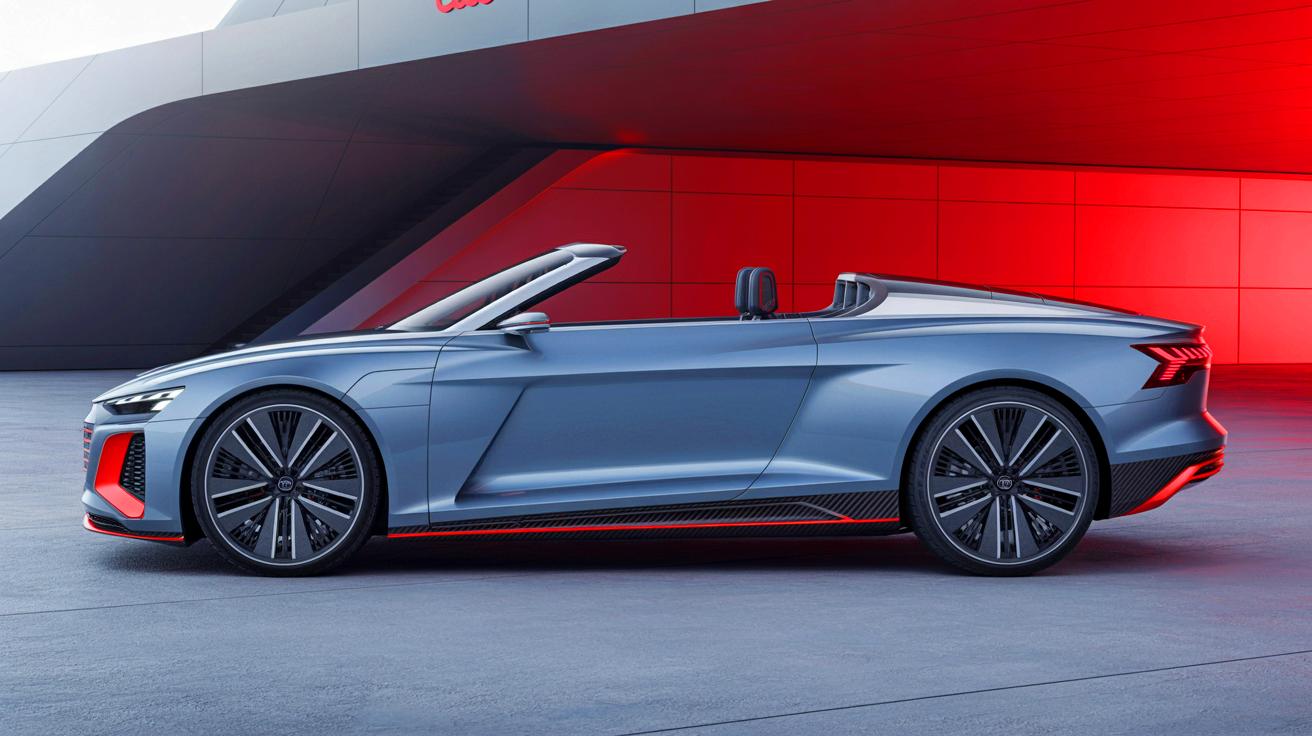
The Concept C is primarily a design story, with every element carefully crafted to make a bold statement. The vehicle’s exterior boasts a muscular stance, accentuated by forged carbon side skirts and a rear diffuser. These elements, along with the 20-inch wheels reminiscent of the original TT’s six-spoke rims, give the car an aggressive, yet refined appearance. The absence of a rear windshield enhances the monolithic shape, while the electrically retractable hardtop adds to the vehicle’s sleek profile.
One of the most striking features of the Concept C is its vertical frame, which replaces the traditional grille. Inspired by the Auto Union Type C Grand Prix racecar from 1936 and the third-generation Audi A6 from 2004, this design element not only showcases the Audi logo but also conceals radar sensors. The vertical detailing is echoed throughout the car, from the headlights to the air intakes, creating a cohesive visual language that is both modern and nostalgic.
The Interior: A Blend of Retro-Futurism and Minimalism
Inside the Concept C, Audi has skillfully applied a restrained retro-futuristic approach. The cabin is designed to feel airy and composed, with a focus on high-quality materials and finishes. Wool seats and body panels contribute to a welcoming vibe, while the minimalist design keeps the interior feeling spacious. The simple digital gauge cluster is framed by Quattro flaps with light bars that change color, providing the driver with essential information in a visually engaging manner.
The infotainment system remains discreetly hidden until summoned, preserving the clean lines of the dashboard. Physical controls, such as the haptic buttons on the steering wheel and the aluminum window controls, offer a tactile experience that is increasingly rare in modern vehicles dominated by touchscreens. This thoughtful design ensures that the Concept C’s interior is both functional and aesthetically pleasing.
Innovative Features and Technological Advancements
The Concept C is not just about looks; it’s packed with innovative features that enhance both performance and usability. The narrow headlights with four elements can switch between daytime running lamps and projector beams, providing optimal visibility at all times. The battery placement behind the seats, rather than beneath them, results in a low, sports car-like seating position that enhances the driving experience.
At the rear, narrow tail lights feature programmable patterns, while large fins cleverly hide rear cameras and a high-mounted brake light. This attention to detail ensures that the Concept C is as functional as it is stylish. The vehicle is expected to share engine componentry with the Porsche Boxster EV, promising a fast-charging 800V system and a range exceeding 300 miles. These features position the Concept C as a leader in the transition to electric vehicles.
Market Implications and Future Prospects
As a concept, the Audi Concept C is a statement of intent, showcasing the brand’s vision for the future of automotive design. However, industry insiders suggest that this model is likely to enter production by 2027. This development is not surprising, given the level of detail and sophistication evident in the design. The Concept C is poised to compete with other high-end electric sports cars, such as the MG Cyberster, which is priced at approximately $80,300.
The anticipated pricing of the Concept C, expected to remain below $100,000, positions it as a competitive option in the luxury electric vehicle market. This strategic pricing, combined with its advanced features and striking design, could make the Concept C a popular choice among car enthusiasts looking for a blend of performance, style, and sustainability.
As the automotive industry continues to evolve, Audi’s Concept C represents a significant step forward. By embracing electrification while maintaining a strong design ethos, Audi is setting a new standard for what a sports car can be. The Concept C challenges traditional notions of automotive design and performance, paving the way for future innovations. As we look to the future, how will other manufacturers respond to Audi’s bold vision, and what impact will these advancements have on the industry as a whole?
Continue reading