


Hybrid vs. traditional car engines: key differences
 By
Graham Pettigrew
By
Graham Pettigrew
From bustling city blocks to winding suburban roads, the clash between hybrid and traditional car engines is playing out everywhere. The past decade has seen a remarkable shift: as environmental urgency grows and technology evolves, more people ponder the true differences between the longstanding gasoline engine and its hybrid counterpart. Industry players like Toyota, Honda, Ford, and Hyundai have pushed the conversation forward, their latest models blurring the line between legacy and innovation. Yet beneath the surface, choosing between hybrid and traditional engines is about more than fuel efficiency or up-front price, it’s a narrative of lifestyle, environmental responsibility, and the drive for performance. The following story unpacks the real-world contrasts and convergences shaping drivers’ decisions, weaving in expert insights and the latest automotive advancements. For those facing the crossroads of their next purchase, knowledge is the engine that drives confidence.
Hybrid vs. Traditional Engine Technology: Understanding the Heart of Your Car
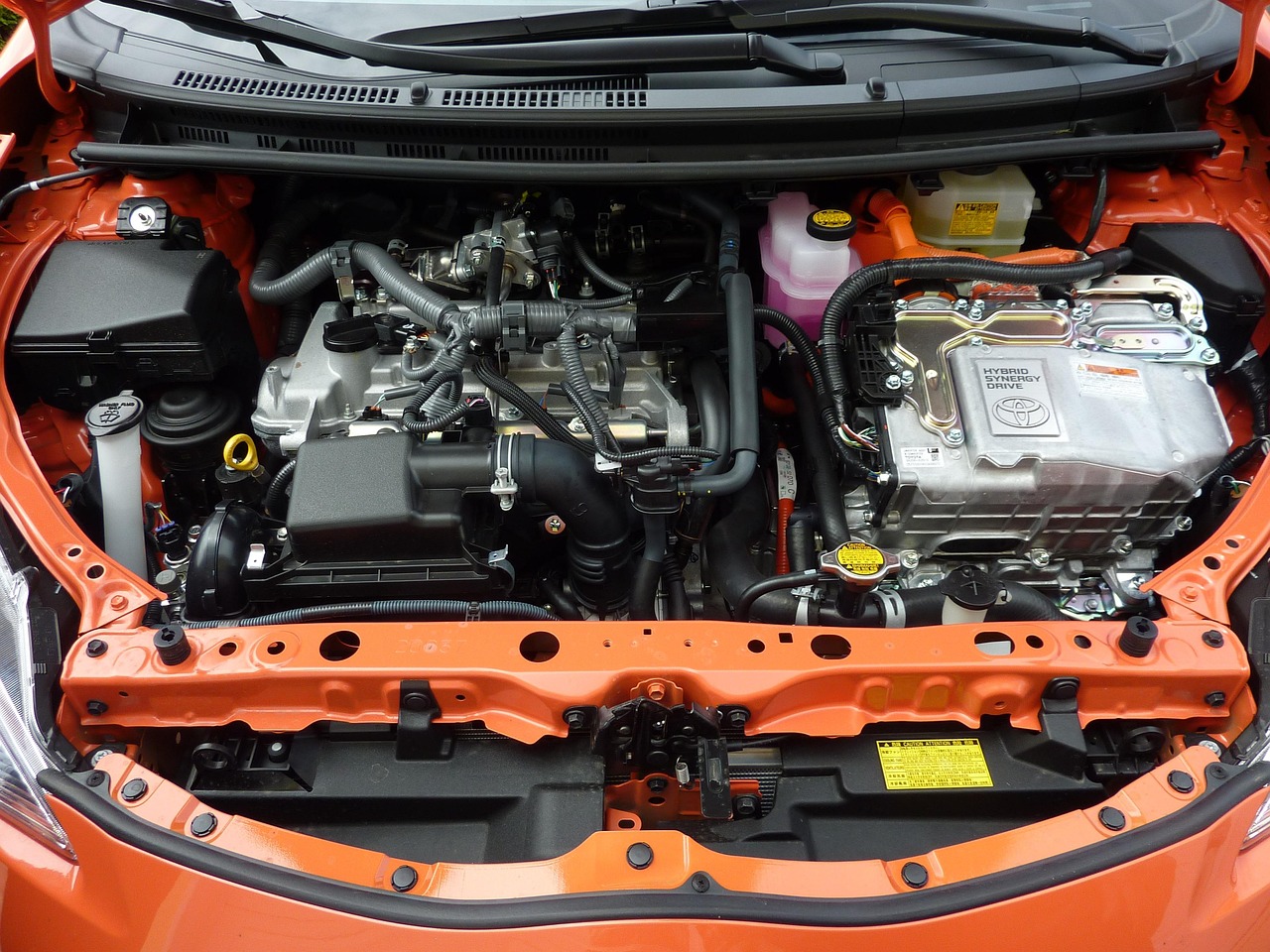
The fabric of automotive progress is woven from countless innovations, but none divides the current market quite like the difference between hybrid systems and traditional internal combustion engines (ICE). While the classic gas engine (championed for decades by Chevrolet, Volkswagen, and Nissan) relies entirely on the art of controlled explosions to create motion, hybrids blend gasoline with electric power. These hybrid systems, popularized by Toyota’s pioneering Prius and now adopted by Kia and BMW, feature an ICE working in harmony with one or more electric motors. The upshot? Better fuel economy, lower emissions, and often a more serene ride.
In some hybrid models, like Lexus and Ford’s sophisticated entries, the transition between electric and gasoline power is seamless, giving drivers a sense of effortlessness in everyday traffic. Traditional engines, on the other hand, remain king for those valuing simplicity and straightforward maintenance routines. For anyone interested in the nitty-gritty, resources like this guide to car engine basics and the evolution of car engine technology tell the story of how we arrived at today’s inflection point.
| Engine Type | Primary Power Source | Key Example Models | Main Benefits |
|---|---|---|---|
| Traditional (Gas/Diesel) | Fossil Fuels (ICE) | Chevrolet Malibu, Volkswagen Jetta | Widely available, affordable, easy refueling |
| Hybrid | ICE + Electric Motor | Toyota Prius, Honda Accord Hybrid, Ford Escape Hybrid | High MPG, lower emissions, smooth driving |
Hybrid System Types and Power Delivery Explained
Hybrid vehicles are not all created equal. On one end, full hybrids switch between electric and gasoline seamlessly, a feat mastered by Toyota and Honda. The plug-in hybrid (known as PHEV), now taking a growing share of the market with models like Hyundai Sonata Plug-in, lets drivers commute short distances on electricity alone before reverting to gas. Meanwhile, mild hybrids (seen in some Kia and BMW entries) offer a boost to performance, but won’t move under electric power alone. Each system is tailored for a different type of driver, a fact well illustrated by the detailed breakdowns in this electric and hybrid car explainer.
Performance, Efficiency, and Environmental Impact: What Really Matters on the Road
The true test of a car engine lies not just under the hood, but on city streets and rural highways. For decades, trips in traditional cars (imagine a long drive in a classic Ford or Nissan) embodied freedom but also signaled a heavy reliance on fossil fuels. Gas cars offer strong, predictable acceleration and engine growl, but seldom achieve the high miles per gallon that hybrids provide.
With a hybrid, city driving becomes a showcase for efficiency: at every halt, the car silently switches to electric mode, sparing fuel and reducing emissions. In congested areas, this translates to cleaner air and, thanks to instant electric torque, punchy acceleration at stoplights. Data from recent years show that hybrid models, like the Toyota Camry Hybrid or Kia Niro, routinely outperform their gas-only siblings in both savings and sustainability. Interested readers can examine the evolving numbers on the most fuel-efficient cars today and compare broader stats in electric vs. gas vehicle analysis.
| Performance Aspect | Traditional Engine | Hybrid Engine |
|---|---|---|
| Fuel Economy (MPG) | 25-30 (average sedan) | 40-60 (varies by model) |
| CO₂ Emissions | Higher, especially in city use | Lower overall, especially urban |
| Power Delivery | Linear, familiar engine feel | Smooth, often with instant torque |
| Noise & Ride | Louder, engine sound present | Quieter in electric mode, especially low speed |
Ownership Costs and Real-World Usability for Everyday Drivers
Costs don’t end at the dealership, a fact every pragmatic buyer from Los Angeles to Berlin recognizes. Where Volkswagen and Chevrolet dealers still tout the lower price tag of their conventional sedans, hybrids often win drivers over with promises of long-term savings. Lower fuel spending adds up quickly, especially for city commuters and delivery drivers. Maintenance is another arena with notable divergence: traditional gas engines require more frequent oil changes, while hybrids (benefiting from regenerative braking and less engine strain) can go much farther between major services, though when high-voltage battery issues crop up, repairs can climb steeply. For a deeper dive on keeping any engine in top form, resources like engine maintenance signs and peak performance guides prove invaluable.
Insurance and government incentives enter the picture, too. Lexus hybrid owners, for example, might invest more upfront, but state rebates and tax breaks can tilt the scales. Meanwhile, drivers of ICE-only models enjoy widespread refueling stations and a familiar maintenance ecosystem, a reality especially appreciated on extended journeys, as chronicled by enthusiasts at LeftLaneNews’ long road trip preparation guide.
Making the Decision: Hybrid Engine or Traditional? Lifestyle, Habits, and the 2025 Perspective
Imagine Anna, a young professional in a sprawling metro area who commutes daily through unpredictable traffic. For her, the benefits of a hybrid (with its regenerative braking, battery-powered dashes through gridlock, and contribution to city air quality) far outweigh the learning curve of new technology. On the other hand, Jack, an avid road-tripper from rural Oregon, leans toward traditional engines, grateful for the abundance of gasoline stations and the straightforward mechanics of his trusted Ford pickup. Their stories are echoed in millions of choices made every year, shaped as much by geography and routine as by personal values.
In 2025, the options look brighter than ever: Honda and Hyundai have doubled down on hybrid model variety, BMW and Lexus raised the bar on “luxury green,” and Kia and Nissan nudge affordability with innovative mild hybrid systems. Yet, the market still fiercely protects the familiar, evidenced by the continued strong sales of gas-powered icons from Chevrolet and Volkswagen. For everyone considering the leap, in-depth comparisons from sources like modern engines reviews and the latest automotive news guide the path forward. Ultimately, priorities (be they cost, convenience, technology, or the quest to lower one’s environmental impact) shape the journey from showroom to driveway.
| Ideal For | Best With Hybrid | Best With Traditional |
|---|---|---|
| Urban/City Driving | ●Toyota Prius, Hyundai Ioniq, Honda Insight | |
| Frequent Road Trips | ●Ford F-150, Chevrolet Impala, Volkswagen Passat | |
| Eco-conscious Drivers | ●BMW 330e, Lexus ES Hybrid, Kia Niro | |
| Lower Upfront Budget | ●Nissan Versa, Chevrolet Spark |
This landscape of choice is expanding rapidly. Curious how car technology will adapt in coming years? Explore the innovations set to transform the industry in this technology advancements feature and see how terminology is evolving in the electric car glossary.
Fascinating Questions on Hybrid and Traditional Engines
Do hybrids really offer long-term savings compared to traditional gas vehicles?
For drivers who log significant miles (especially in city traffic) hybrids can deliver substantial fuel savings over time, often offsetting the higher purchase price. This gap widens further with available state incentives and lower regular maintenance. However, those with long highway commutes or rural habits may not see as quick a payback.
Is battery replacement a dealbreaker when considering a hybrid car?
Most hybrid batteries are engineered to last well beyond 100,000 miles, with many Toyota and Hyundai hybrids topping 150,000 miles before replacement is needed. While replacement can be costly, warranties are often robust, and technology improvements are gradually lowering prices.
Are there extra maintenance requirements for hybrid vehicles?
Hybrids generally face fewer routine maintenance demands thanks to regenerative braking and less engine wear. Standard ICE components still require attention, including periodic oil changes, more detail at this comprehensive car maintenance guide. Special attention should be paid to high-voltage electrical systems, best handled by certified professionals.
What’s the biggest advantage of sticking with a traditional gas car in 2025?
Beyond the lower sticker price, gas cars shine in remote areas where charging infrastructure is lacking and for those favoring mechanical simplicity. The widespread network of refueling stations also means greater peace of mind for long-distance drives, details available at this travel prep guide.
How might future tech shift the balance between hybrid and traditional powertrains?
Advancements in battery tech, government policy, and growing charging networks are rapidly making hybrids and electrics more accessible. Stay ahead of upcoming innovations by following technology updates and checking out electric vehicle test drives that showcase the practical experience.
Continue reading