


Hyundai Palisade’s 2026 Model Challenges Drivers with Noticeably Slower Performance Compared to Previous Version
 By
Ethan Kowalczyk
By
Ethan Kowalczyk
| IN A NUTSHELL |
|
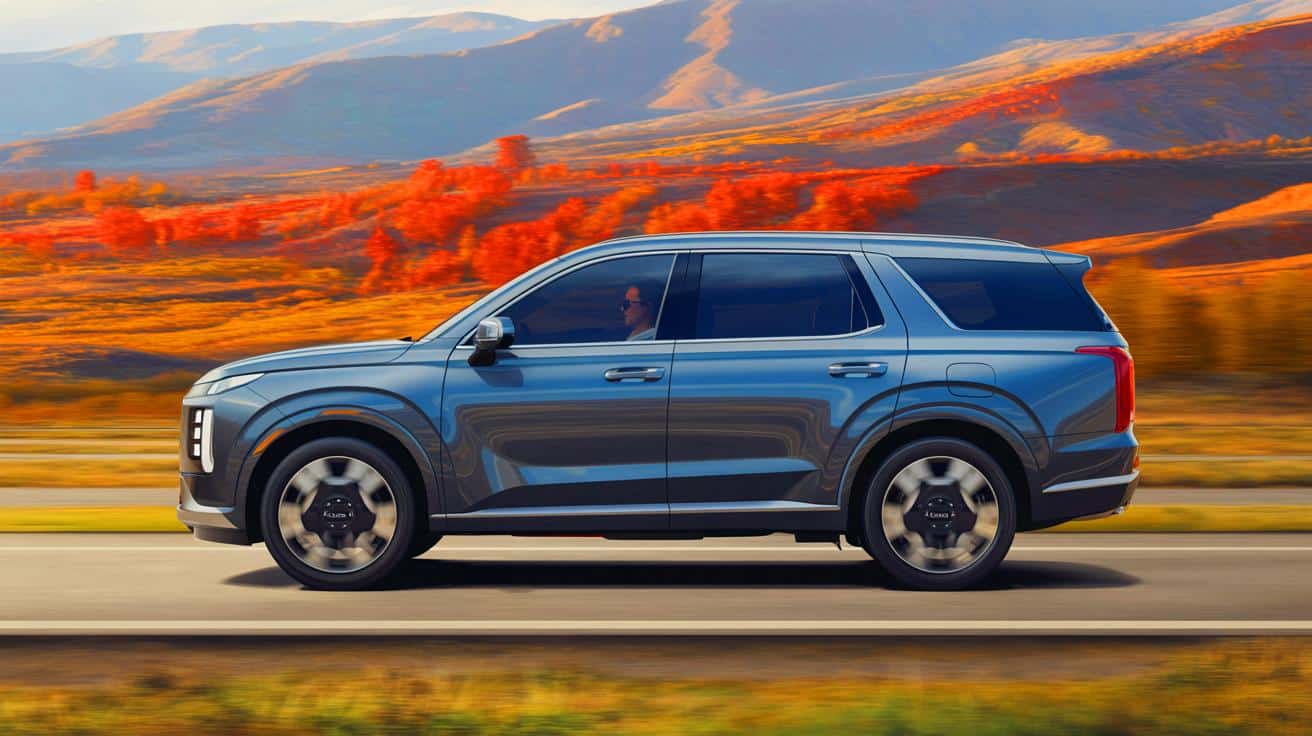
The latest iteration of the Hyundai Palisade, a beloved three-row SUV, has sparked significant attention in the automotive community. Car and Driver’s latest testing reveals a startling performance discrepancy between the 2026 model and its predecessor. Despite enhancements in exterior design and interior luxury, the 2026 Palisade falls behind in acceleration. This shift raises questions about the balance between style and performance in the latest automotive offerings. As Hyundai introduces new models, understanding how these changes impact drivers becomes crucial. The 2026 Palisade serves as a case study in how technological upgrades can sometimes come at the cost of performance.
Performance Discrepancies Between Models
The comparison between the 2026 Hyundai Palisade and its 2023 predecessor highlights significant performance differences. The latest model takes 8.1 seconds to reach 60 mph, a noticeable 1.7-second lag compared to the 2023 Palisade XRT. This gap underscores a shift in Hyundai’s engineering priorities, as the newer model focuses on comfort and aesthetics. The 2026 Palisade’s 3.5-liter engine generates 287 horsepower, slightly less than the 2023 version’s 291 horsepower. Though this might seem minor, the reduction in power, coupled with the increased weight, affects the vehicle’s dynamic performance.
Beyond the 0-60 mph acceleration, the 2026 model also lags in other speed tests. It takes 10.4 seconds to reach 70 mph, compared to the 2023 version, which had already hit 80 mph in the same time frame. These performance results raise questions about the trade-offs between design enhancements and engine efficiency. While the 2026 Palisade boasts a more refined interior and exterior, these improvements come at the cost of speed and agility. This trade-off reflects a broader trend in the SUV market, where manufacturers often prioritize luxury over performance.
Engine and Weight Considerations
One of the critical factors contributing to the 2026 Palisade’s slower performance is its engine configuration. The new model’s engine produces four fewer horsepower and two fewer pound-feet of torque than the previous 3.8-liter V-6 engine. While this might not seem significant on paper, it has tangible effects on real-world driving. The reduced power output is compounded by the vehicle’s increased weight. The 2026 model weighs 4,792 pounds, 369 pounds heavier than its 2023 counterpart. This additional weight impacts acceleration and fuel efficiency, a crucial consideration for potential buyers.
The increased weight stems from the Palisade’s expanded dimensions and enhanced features. The new model offers more interior space and luxury amenities, appealing to families seeking comfort and convenience. However, these enhancements contribute to the vehicle’s overall bulk, making it less nimble than its predecessor. As manufacturers continue to evolve their SUV offerings, the balance between luxury and performance remains a central question. Consumers must decide whether the trade-offs in speed are worth the added benefits in style and space.
Exploring Alternative Options
Despite the slower performance of the 2026 Hyundai Palisade, there is a silver lining for those seeking improved acceleration. The introduction of a new hybrid model in the 2026 lineup offers a compelling alternative. The hybrid version generates 329 horsepower, significantly boosting performance while enhancing fuel efficiency. This model reaches 0 to 60 mph in just 6.6 seconds, bringing it closer to the performance levels of the 2023 Palisade.
The hybrid option reflects a growing trend in the automotive industry towards sustainable and efficient vehicles. As consumers become more environmentally conscious, manufacturers are responding with innovative solutions. The hybrid Palisade not only offers better acceleration but also reduces the carbon footprint associated with traditional gasoline engines. This shift towards hybrid technology represents a significant evolution in the SUV market, providing consumers with more choices to align with their priorities.
Consumer Implications and Market Reactions
The performance changes in the 2026 Hyundai Palisade have implications for consumer preferences and market dynamics. As buyers weigh the pros and cons of different models, the emphasis on performance versus luxury becomes more evident. The slower acceleration of the 2026 model may deter some performance-oriented buyers, while others may prioritize the enhanced interior and exterior features.
The introduction of a hybrid option further complicates consumer choices, offering a middle ground between performance and sustainability. This diversity in options reflects the broader trends in the automotive industry, where manufacturers strive to cater to a wide range of consumer needs. As the market for SUVs continues to evolve, the balance between design, performance, and efficiency will remain a critical consideration for both manufacturers and buyers. How will these changes influence the future of automotive design and consumer preferences in the SUV segment?