

“It Sounds Like Thunder but It’s Silent”: NASCAR’s 1,300-Horsepower Blazer EV.R Shocks Daytona and Redefines the Future of Racing
 By
Keisha Holloway
By
Keisha Holloway
| IN A NUTSHELL |
|
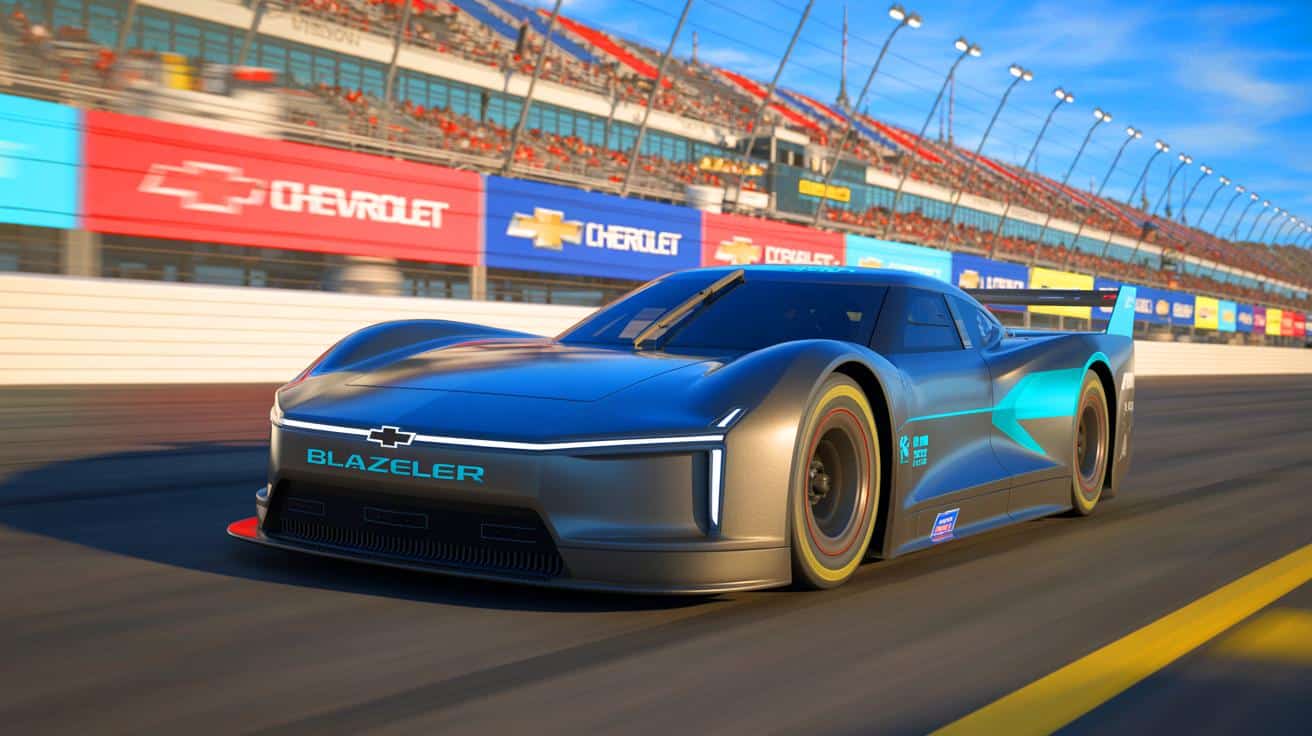
The introduction of the Blazer EV.R NASCAR prototype by Chevrolet at the Daytona 500 this year marked a pivotal moment in the motorsports world. Offering a remarkable 1,300 horsepower with a silent roar, this futuristic vehicle showcased the potential of electric vehicles (EVs) in a traditionally combustion-driven sport. Although NASCAR is not ready to fully embrace electric cars, this demonstration vehicle highlights the possibilities. The Blazer EV.R was also featured at the ABB FIA Formula E Championship, emphasizing its dual focus on performance and sustainability. As NASCAR explores the future of racing, this prototype serves as a symbol of the industry’s evolving landscape.
NASCAR’s EV Prototype Becoming a Reality
NASCAR’s venture into electric vehicles is not just about innovation; it’s a commitment to sustainability and high performance. Partnering with ABB and working alongside Formula E, NASCAR’s prototype project aims to integrate cleaner energy into motorsports. The vehicle was designed not to replace current Cup Series cars but to show what is possible. This prototype represents NASCAR’s vision for a more sustainable future, balancing environmental concerns with the need for speed and excitement on the track.
The project underscores a significant shift in NASCAR’s approach to racing. By emphasizing sustainability, NASCAR aims to lead the industry in adopting cleaner technologies. The collaboration with Formula E highlights the seriousness of this commitment, as both organizations strive to reduce their carbon footprints. NASCAR’s initiative is not just about building a new type of race car; it’s about redefining what motorsports can be in the 21st century.
Why trucks remain essential for small businesses in the modern era
Blazer EV.R: A Focus on Power and Performance
The Blazer EV.R is a testament to the advancements in electric vehicle technology, featuring three electric motors and a 78-kWh battery that delivers a combined 1,300 horsepower. The vehicle’s design includes two rear motors and one front motor, providing instant torque and acceleration that surpasses V8 stock cars. Built on NASCAR’s Next Gen chassis, the prototype maintains its weight and balance with a 500-pound battery pack.
This innovative design ensures that the Blazer EV.R remains true to the high-performance standards expected in NASCAR. Engineers have carefully crafted the prototype to align with the Gen 7 cars, ensuring that drivers experience familiar handling and performance. Equipped with the latest braking systems and EV components, the Blazer EV.R represents a significant step forward in electric racing technology.
NASCAR Playing a Leading Role in the EV Agenda
NASCAR’s commitment to electrification goes beyond the racetrack. By constructing the EV prototype’s body from flax fiber composites, NASCAR is taking a stand for environmental responsibility. The inclusion of a regenerative braking system further emphasizes the focus on smarter energy use. NASCAR’s leadership in this area reflects a broader industry trend toward sustainability.
John Probst, NASCAR’s Senior Vice President and Chief Racing Development Officer, articulated the organization’s forward-thinking approach: “We, from a NASCAR perspective, want to be in the driver’s seat when it comes to where the future is going.” While no release date has been announced for the prototype to take the track, NASCAR remains committed to aligning its innovations with customer demand.
How supercars are changing the face of automotive technology
Is There a Future for EVs with NASCAR or Is This a Testing Prototype Only?
The future of electric vehicles in NASCAR remains uncertain, though hopeful. NASCAR driver David Ragan expressed optimism that the EV prototype would soon be track-ready. However, NASCAR has clarified that the introduction of this prototype does not imply an immediate shift to fully electric Cup Series cars. The interest in electrification is genuine, but a full transition requires careful consideration.
NASCAR’s exploration of EV technology reflects a potential transformation in the industry. While some speculate that EVs may not endure globally, NASCAR’s dedication to researching and developing electric vehicles indicates a long-term vision. This prototype is more than just a test; it represents a strategic move toward a future where electric vehicles play a significant role in racing.
As NASCAR continues to explore the potential of electric vehicles, the Blazer EV.R prototype serves as a symbol of innovation and sustainability. The journey towards electrification in motorsports is complex, involving technological advances, environmental considerations, and consumer preferences. Will NASCAR’s commitment to electrification spark a broader shift in the industry, or will traditional combustion engines continue to dominate the racetrack? The answer may shape the future of motorsport for years to come.