


“People Didn’t Hear It Coming”: New York Just Imposed a 15-MPH Limit on E-Bikes to Stop the City’s Fast-Growing Accident Crisis (and riders are furious)
 By
Ethan Kowalczyk
By
Ethan Kowalczyk
| IN A NUTSHELL |
|
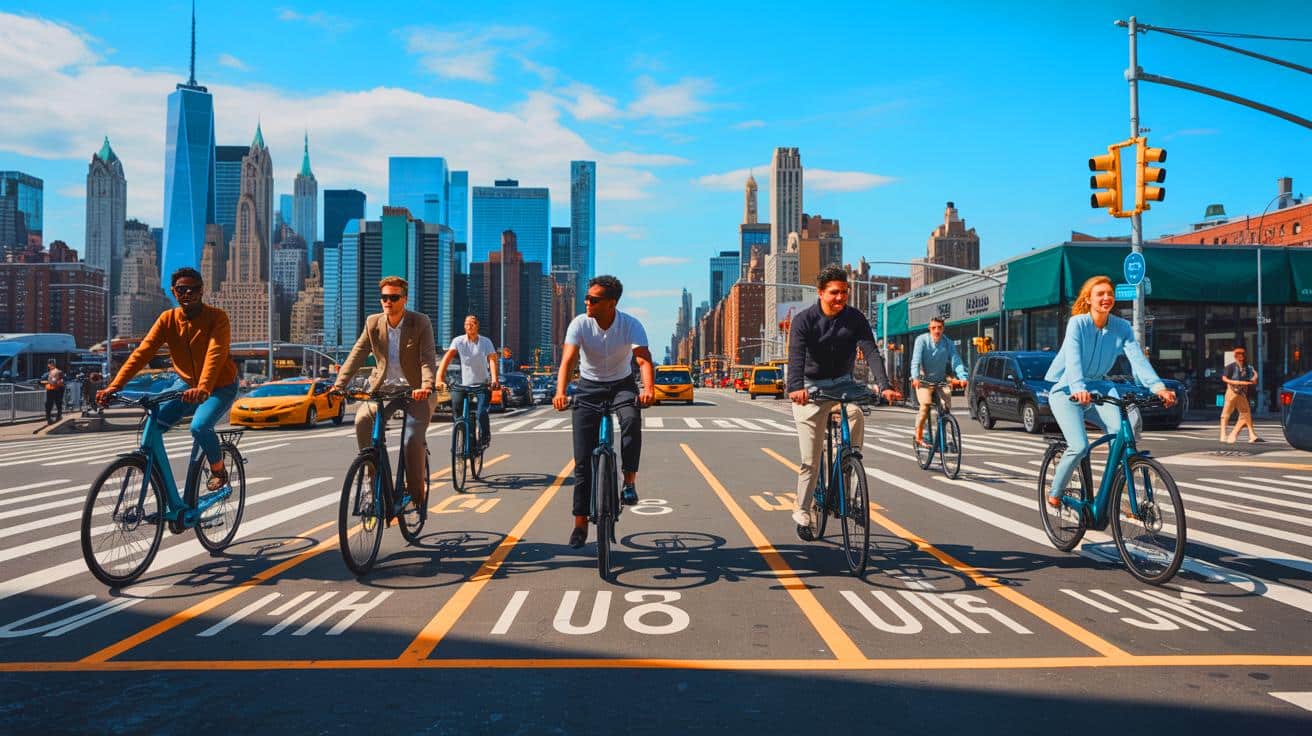
The bustling streets of New York City are about to witness a significant shift in traffic regulations, particularly affecting cyclists. With the introduction of new speed limits, the city aims to enhance road safety and reduce accidents involving cyclists and pedestrians. This change is part of a broader effort by authorities to ensure that all road users adhere to safer practices. As e-bikes and e-scooters become increasingly popular, regulating their speed has become necessary to protect everyone navigating the city’s busy streets. The new measures reflect a growing trend to balance innovation in transportation with essential safety standards.
Understanding the Impact of Speed on Road Safety
Speeding remains a leading cause of road accidents and fatalities, making it a focal point for traffic authorities. Excessive speed not only reduces a driver’s reaction time but also increases the stopping distance, heightening the risk of collisions. The force of impact in any collision is directly proportional to the speed at which vehicles are traveling. This underscores the importance of adhering to speed limits to ensure road safety.
To curb speeding, many states are implementing stricter penalties for violations. This includes the use of surveillance technology to monitor traffic and the launch of educational campaigns to promote responsible driving. Authorities are also redesigning roads to encourage safer driving habits. The overarching goal is not just enforcement but creating a culture of accountability and safety among road users.
Addressing Speeding Among Cyclists in NYC
While speeding regulations traditionally focus on motorists, New York City is taking a novel approach by targeting e-bike riders. With the rise of alternative modes of transportation, such as e-bikes and e-scooters, the city has recognized the need to implement specific speed limits for these vehicles. Official statements from city authorities indicate that starting October 15, e-bike riders will be restricted to a speed of 15 mph in designated bike lanes.
“As more New Yorkers turn to e-bikes and e-scooters to get around our city, New Yorkers have asked us to set clear, consistent rules to address this issue and protect everyone,” said City Mayor Eric Adams.
https://leftlanenews.com/solar-powered-vehicles/438/
This measure aims to address the growing number of accidents involving e-bike riders and pedestrians. By setting a clear speed limit, the city hopes to enhance safety and improve the quality of life for all its residents.
Balancing Legislation and Sustainability
The introduction of speed limits for e-bike riders reflects a broader commitment to sustainable living while ensuring safety. As cities encourage the use of alternative transportation, providing clear legislative boundaries is crucial. These regulations establish guidelines for safe conduct, promoting harmonious interactions between drivers, cyclists, and pedestrians. By minimizing conflicts and fostering mutual respect, the city aims to reduce accidents and maintain road safety as a top priority.
Why trucks remain essential for small businesses in the modern era
The legislation also supports the city's sustainability goals, encouraging more residents to opt for eco-friendly transportation options. In doing so, New York City is setting a precedent for other urban areas grappling with similar issues.
Looking Ahead: The Future of Urban Mobility
New York City's decision to regulate the speed of e-bikes and similar vehicles marks a significant step in urban mobility management. As cities grow and evolve, so too must their transportation policies. This change is part of a larger conversation about the future of urban transport and the role of alternative vehicles. By implementing these new rules, the city not only addresses current safety concerns but also prepares for future developments in transportation technology.
These changes highlight the need for ongoing dialogue between city planners, transportation authorities, and the public. As New Yorkers adjust to these new regulations, the city will need to assess their impact and make necessary adjustments. This approach ensures that urban mobility remains efficient, safe, and inclusive for all.
As New York City implements these new speed limits for e-bike riders, the overarching question remains: How will these changes shape the future of urban transportation, and what further steps can be taken to ensure safety and sustainability coexist on our roads?