

“Retro Looks, Electric Heart”: Buick’s New Electra Orbit Reimagines the Past as Norway Races Toward a World Without Gas Cars
 By
Avi Cohen
By
Avi Cohen
| IN A NUTSHELL |
|
The rapid evolution of electric vehicles (EVs) is reshaping the landscape of the automobile industry. As the world grapples with the impacts of climate change, finding sustainable alternatives to traditional internal combustion engines has become imperative. Automakers are now tasked with balancing technological innovation with appealing design, resulting in a fascinating blend of past and future aesthetics. The latest example of this trend is an EV that pays homage to retro designs while incorporating cutting-edge technology. This intriguing fusion not only caters to environmentally conscious consumers but also offers a nostalgic nod to the golden age of automobiles.
The Rise of Electric Vehicles
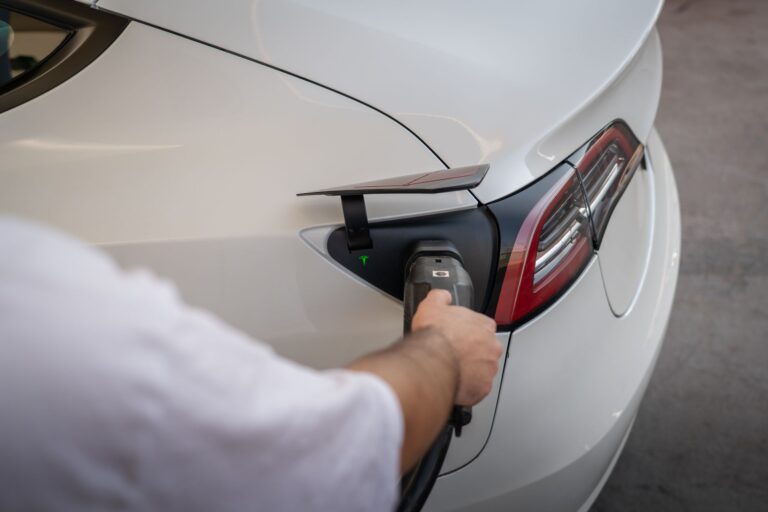
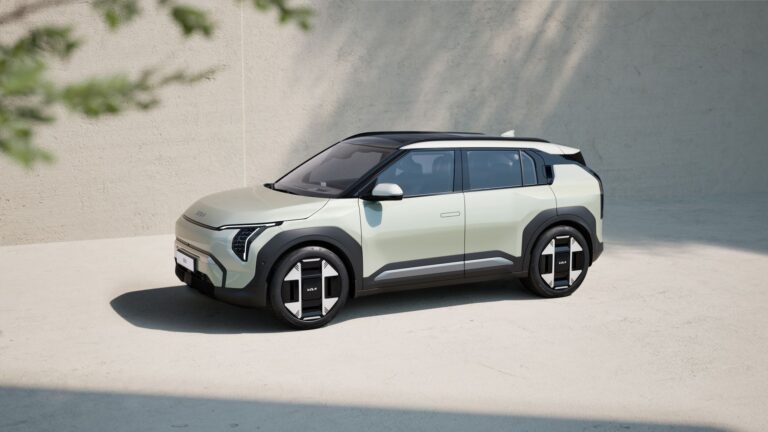
The electric vehicle revolution is in full swing, capturing the imagination of consumers worldwide. Companies like Tesla have been at the forefront, transforming EVs into symbols of luxury and modernity. Their success has spurred other automakers to invest heavily in electric technology, leading to a surge in demand for these vehicles. EVs have become the go-to choice for eco-conscious consumers seeking cleaner transportation options.
While electric vehicles dominate the passenger vehicle market, the transportation industry is also exploring other alternatives, such as hydrogen fuel-cell technology. This emerging solution offers potential where EVs face limitations, particularly in sectors like aviation and long-haul trucking. Although EVs are popular among individual consumers, hydrogen fuel cells are gaining traction as a complementary technology for industries with unique needs. This diversification underscores the ongoing quest for sustainable transportation solutions.
Retro Design Meets Modern Innovation
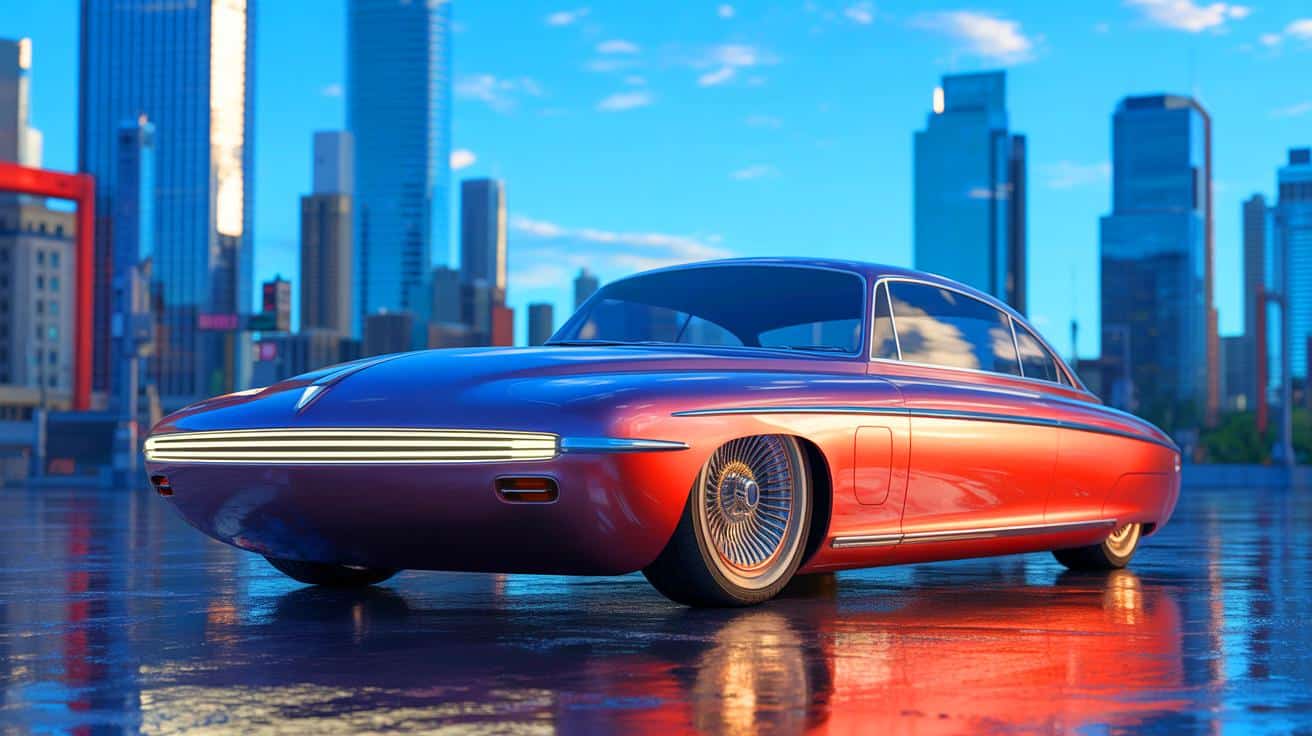
In an era where futuristic technology often takes center stage, the allure of retro designs remains strong. General Motors (GM) has tapped into this trend with the unveiling of its new concept car, the Buick Electra Orbit. This all-electric vehicle draws inspiration from the 1950s, combining ‘space-age glamour’ with the sleek lines of contemporary EVs.
The Buick Electra Orbit is a testament to the enduring appeal of heritage designs. It allows consumers to enjoy a glimpse of the past while embracing the advancements of modern technology. As Stuart Norris, Vice President of Design for GM China and GM International, stated, “Electra Orbit is a bold exploration of what Buick can be when we blend heritage inspiration with visionary innovation.” By merging these elements, GM offers a unique vehicle that appeals to both collectors and eco-conscious drivers.
The Future Without Combustion Engines
The prospect of a world without internal combustion engines is tantalizing, yet challenging. Despite the growth in alternative vehicle sales, traditional engines still dominate the roads. However, there are promising signs of change. Norway, for instance, is on track to become the first country with an entirely electrified vehicle market. With strong government incentives and robust infrastructure development, 89% of new car sales in Norway were electric last year, with hopes to reach 100% soon.
This shift highlights the potential for other nations to follow suit, provided they implement supportive policies and infrastructure. The transition to alternative energy vehicles, whether electric or hydrogen-powered, is a critical step toward reducing carbon emissions and mitigating climate change. Achieving this goal will require concerted efforts from governments, automakers, and consumers alike.
Challenges and Opportunities in Electrification
As the automotive industry continues its shift toward electrification, several challenges and opportunities emerge. One significant hurdle is the development of a comprehensive charging infrastructure. To support the growing number of EVs on the road, countries must invest in expanding and upgrading their charging networks. This requires collaboration between governments, utility companies, and private enterprises.
Another challenge is battery technology. While advancements have been made, further improvements are necessary to increase range, reduce costs, and minimize environmental impact. The race to develop more efficient and sustainable batteries is ongoing, with potential breakthroughs on the horizon. These innovations will play a crucial role in making EVs more accessible and attractive to a broader audience.
Despite these challenges, the electrification of the automotive industry presents significant opportunities. It offers the potential to reduce greenhouse gas emissions, improve air quality, and lessen dependence on fossil fuels. Moreover, the shift toward sustainable transportation can drive economic growth through the creation of new industries and jobs. As the world moves toward a greener future, the automotive industry stands at the forefront of this transformative journey.
The journey toward a sustainable transportation future is filled with both challenges and opportunities. The advent of retro-inspired electric vehicles like the Buick Electra Orbit showcases the industry’s ability to innovate while respecting the past. As nations like Norway demonstrate the feasibility of widespread electrification, the question remains: How will other countries and automakers adapt to create a world where the internal combustion engine becomes a relic of history?