

“They Just Built a 2,000-Horsepower EV”: Xiaomi’s Electric Supercar Challenges Tesla and Redefines the Future of Sustainable Speed
 By
Avi Cohen
By
Avi Cohen
| IN A NUTSHELL |
|
In the rapidly evolving landscape of the automotive industry, electric vehicles (EVs) have emerged as the frontrunners in the race toward sustainability. With pressure mounting to achieve carbon neutrality, automakers are investing heavily in electric technology. While Tesla has long been the dominant force in this arena, new players are emerging, particularly from China, challenging the status quo and pushing the boundaries of what these vehicles can achieve. Among them is Xiaomi, whose recent unveiling of a high-powered electric engine signals a bold new chapter in the electric vehicle saga, offering a glimpse into the future of automotive innovation.
The Rise of Electric Engines in the Automotive World
The automotive industry has witnessed a seismic shift with the increasing adoption of electric engines, particularly hybrid electric models. As the world grapples with climate change, the transportation sector is under immense pressure to reduce carbon emissions. Electric engines have become a beacon of hope, offering a path to a more sustainable future. In the passenger vehicle segment, these engines have been embraced by both consumers and manufacturers alike.
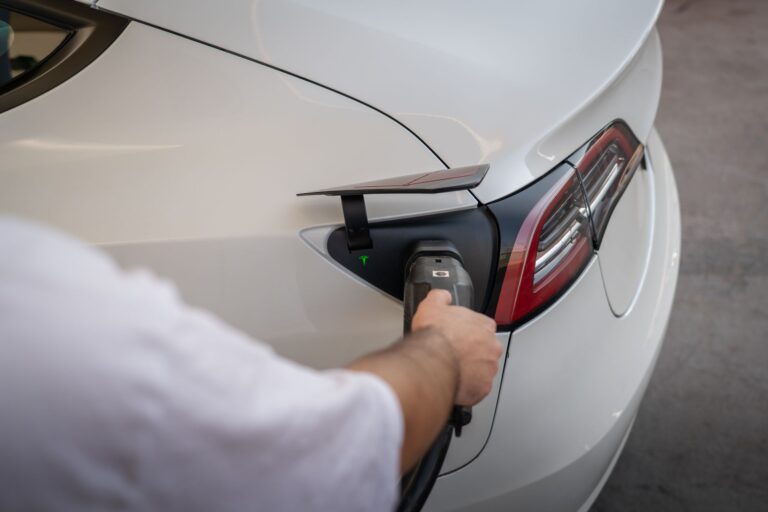
Tesla, a pioneer in electric vehicles, has played a significant role in reshaping consumer perceptions. Once viewed merely as eco-friendly alternatives, Teslas are now seen as symbols of cutting-edge technology and futuristic design. Tesla’s success has inspired other automakers to explore electric technology, leading to increased competition and innovation in the field.
While Tesla continues to be a major player, companies like BYD are challenging its supremacy. BYD has made significant strides with its advanced yet affordable electric models, capturing a large share of the global market. As the top-selling electric vehicle brand worldwide, BYD’s success underscores the growing demand for electric vehicles and the potential for new entrants to make their mark.
Xiaomi’s Entry into the Electric Vehicle Market
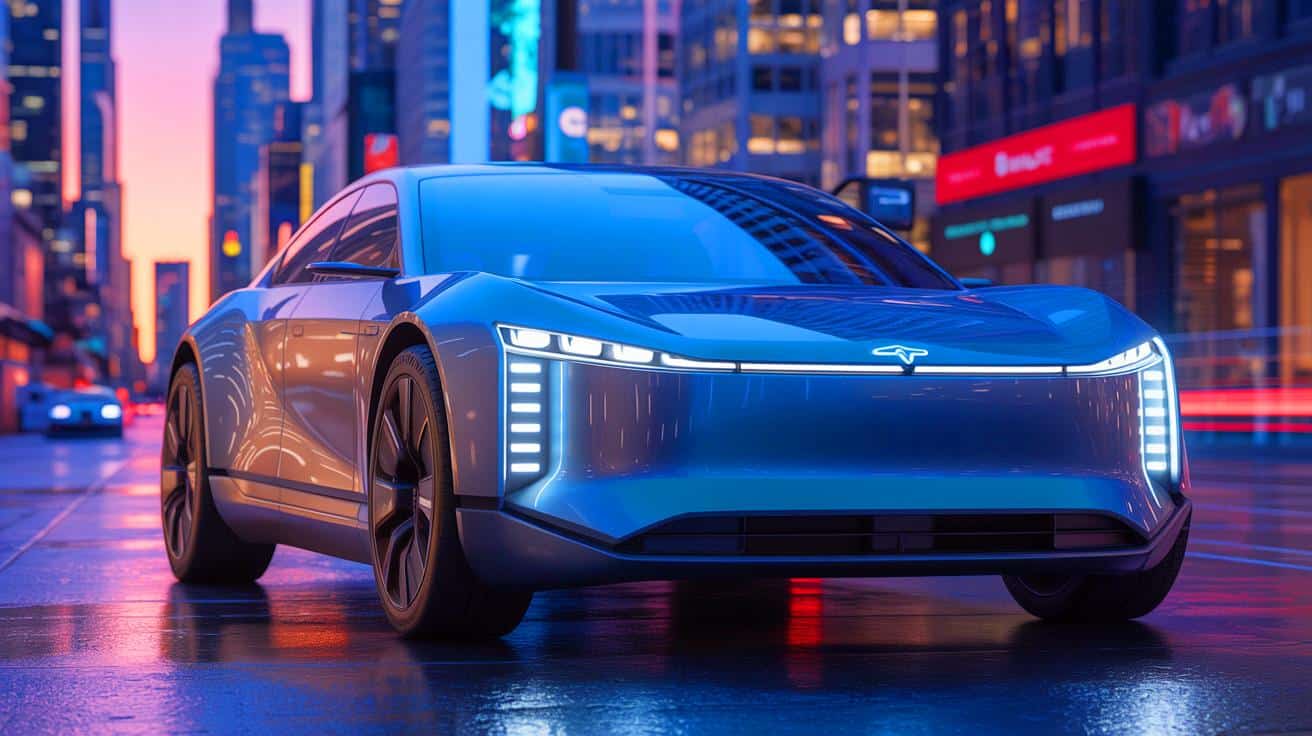
In a move that could reshape the competitive landscape, Chinese tech giant Xiaomi has entered the electric vehicle market with a groundbreaking engine solution. Xiaomi’s new models feature a drive system capable of producing an impressive 1,511 kW, equivalent to over 2,000 horsepower. This is achieved through a sophisticated configuration involving two V8 motors, each contributing 425 kW.
The vehicles come equipped with an intelligent chassis system, incorporating seven suspension struts and active actuators. Additionally, the models boast a three-motor system known as the SU7 Ultra, alongside a quad-motor drive system. A key innovation is Xiaomi’s use of Bosch components to generate a lifting force exceeding 44,000 newtons, a testament to the brand’s commitment to engineering excellence.
Furthermore, Xiaomi’s introduction of a 48-volt system marks a departure from the traditional 12-volt standard, signaling a shift toward more efficient and powerful electric systems. These advancements position Xiaomi as a formidable competitor in the electric vehicle market, challenging established players and driving the industry toward greater innovation.
Supercar maintenance: Tips for keeping your ride in top shape
The Future of Electric Vehicles and Alternative Technologies
The trajectory of the automotive industry seems to be firmly set on an electric course. Yet, this has not deterred manufacturers from exploring other alternative engine technologies. The hydrogen fuel-cell engine, for example, has emerged as a promising complement to electric engines. Championed by Japanese automakers like Toyota, hydrogen technology presents a viable solution for sectors such as aviation and long-haul trucking, where electric engines might face limitations.
Automakers are increasingly collaborating to develop hydrogen fuel-cell technology, pooling resources and expertise to diversify their product offerings. This collaborative approach not only accelerates technological advancements but also ensures that the industry has a broad array of solutions to meet its carbon neutrality goals.
As electric vehicles become more prevalent, it is clear that they represent a significant step toward a sustainable future. However, the ongoing development of alternative technologies highlights the multifaceted approach needed to address global environmental challenges comprehensively.
Challenges and Opportunities in the Electric Vehicle Revolution
The electric vehicle revolution is not without its challenges. Infrastructure development, particularly the availability of charging stations, remains a critical hurdle. Additionally, issues related to battery production and disposal pose environmental concerns that need to be addressed to ensure the sustainability of electric vehicles.
Despite these challenges, the opportunities presented by electric vehicles are immense. They offer the potential to drastically reduce emissions, decrease reliance on fossil fuels, and pave the way for technological innovations that were previously unimaginable. As more companies enter the market, competition will likely drive further advancements, making electric vehicles more accessible and appealing to a broader audience.
The rise of companies like Xiaomi indicates a vibrant and dynamic future for the electric vehicle industry. With continued innovation and collaboration, the industry is poised to transform transportation and contribute significantly to global sustainability efforts. As we look forward, the question remains: How will the automotive industry balance the development of electric vehicles with the exploration of alternative technologies to achieve a truly sustainable future?