

“Touch Screens Are Killing Drivers Now”: Euro NCAP Declares War On Car Controls While Your Dashboard Becomes A Death Trap
 By
Graham Pettigrew
By
Graham Pettigrew
| IN A NUTSHELL |
|
In today’s automotive landscape, technology plays a pivotal role in the driving experience, often going unnoticed by the everyday driver. As cars become more integrated with advanced features, it is easy to overlook the innovations that have become standard in modern vehicles. From the simplicity of a well-designed dashboard to the complexity of a heads-up display, these features redefine convenience and safety for drivers. Exploring the evolution and impact of these technologies helps us appreciate the journey from traditional driving to a more connected experience.
Revolutionizing Safety: Parking Sensors and Cameras
Parking sensors and cameras represent a significant advancement in vehicle safety and convenience. These technologies provide drivers with real-time information about their surroundings, reducing the risk of collisions during parking maneuvers. By alerting drivers to obstacles in their blind spots, parking sensors enhance spatial awareness and help prevent accidents. The integration of rearview cameras is now mandated in all new cars sold in the United States, underscoring their importance in modern vehicle safety standards.
These cameras offer a clear view of the area behind the vehicle, assisting drivers in making informed decisions while reversing. The technology not only aids novice drivers but also provides seasoned drivers with an extra layer of security. As urban areas become more congested, the need for precise parking solutions becomes increasingly critical. With the aid of these technologies, parking in tight spaces has become a less daunting task, ensuring a smoother driving experience.
The Evolution of the Heads-Up Display
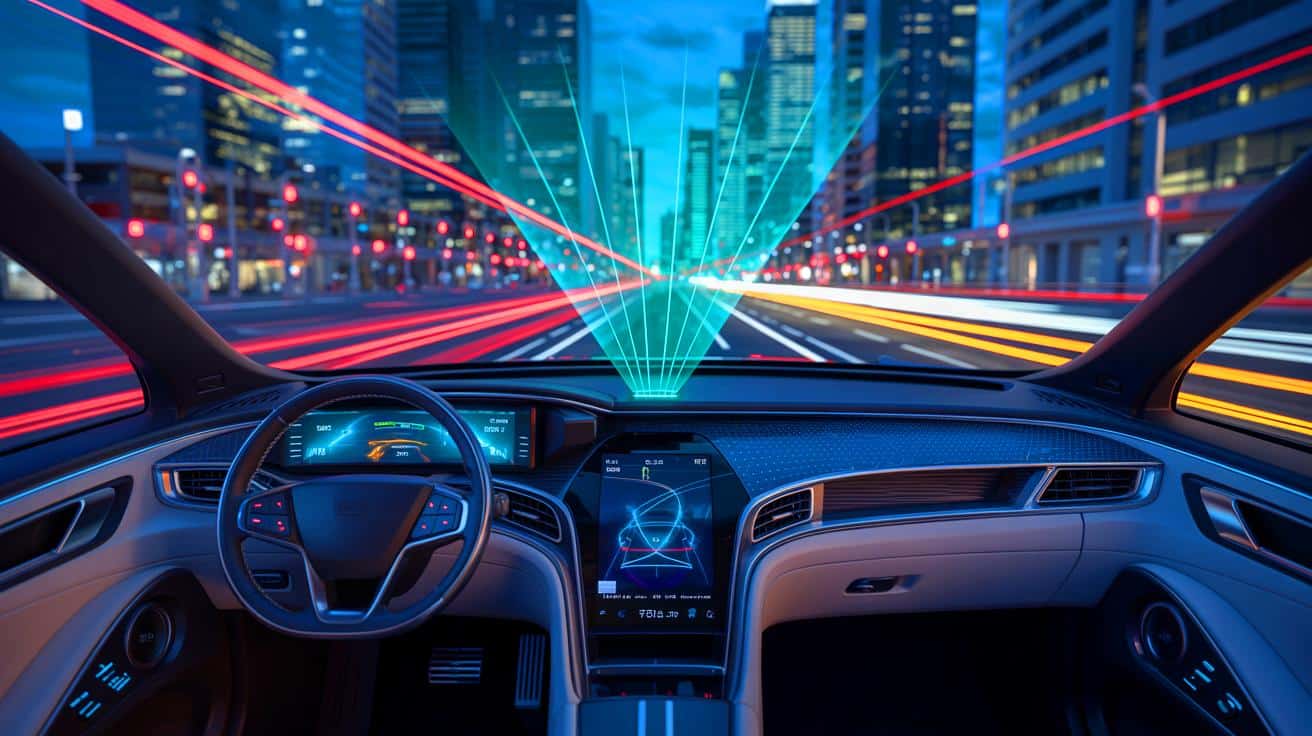
The heads-up display (HUD) is a prime example of how automotive technology has evolved to enhance the driving experience. First introduced in the 1988 Oldsmobile Cutlass, this feature projects essential information onto the windshield, allowing drivers to keep their eyes on the road. By displaying speed, navigation directions, and other critical data within the driver’s line of sight, HUDs minimize distractions and promote safer driving habits.
This innovation transforms how drivers interact with their vehicles, merging convenience with safety.
https://leftlanenews.com/volkswagen-gymkhana-video/663/
As technology advances, HUDs have become more sophisticated, incorporating features like augmented reality to provide even more comprehensive information. The application of HUDs demonstrates a commitment to improving driver focus and reducing the cognitive load associated with traditional dashboard displays. As more manufacturers adopt this technology, the HUD is poised to become a staple feature in future vehicles.
Touch-Sensitive Controls: A Double-Edged Sword
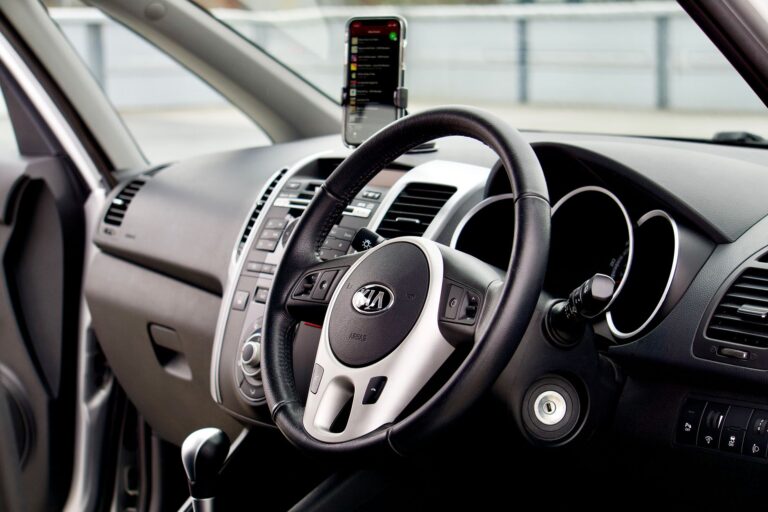
While touch-sensitive infotainment systems offer a sleek and modern interface, they also pose challenges to driver safety. The European New Car Assessment Program (Euro NCAP) has raised concerns about these systems, deeming them more dangerous than traditional knobs and buttons. Touch controls can be distracting, requiring drivers to divert their attention from the road to interact with the interface.
Despite these concerns, touch-sensitive controls have become increasingly popular among consumers who value the convenience and aesthetic appeal they offer. Car manufacturers are tasked with balancing design innovation with user safety, leading to ongoing debates about the best approach to in-car controls. As the industry continues to explore solutions, the question remains: how can manufacturers enhance user experience without compromising safety?
The Underrated Simplicity of Traditional Designs
Amidst the technological advancements, there is a growing appreciation for simplicity in car design. Vehicles like the Volkswagen GTI demonstrate that a well-designed interior with intuitive controls can enhance the driving experience. The Mk 7 GTI is celebrated for its minimalist approach, where everything is placed exactly where drivers need it. This simplicity reduces driver distraction and promotes a more engaging connection with the vehicle.
While modern features are celebrated, there is value in maintaining a balance between innovation and simplicity. As car manufacturers continue to push the boundaries of technology, it is crucial to remember the importance of a straightforward, user-friendly interface. The challenge lies in integrating advanced features without overwhelming the driver, ensuring that technology enhances rather than detracts from the driving experience.
As we navigate the ever-evolving landscape of automotive technology, it is essential to recognize both the benefits and challenges these advancements bring. The integration of new features continues to redefine what it means to drive in the modern era. As consumers and industry stakeholders, we must consider how these technologies shape our interactions with vehicles and the road. How will future innovations continue to transform the driving experience, and what balance will be struck between convenience and safety?
Continue reading