

“Toyota Hits the Accelerator on Electric”: After Years Betting on Hydrogen, Japan’s Auto Giant Recharges Its Strategy for a Carbon-Neutral Future
 By
Avi Cohen
By
Avi Cohen
| IN A NUTSHELL |
|
In the ever-evolving landscape of the automobile industry, Toyota stands prominently at a crossroads of innovation and sustainability. Known initially for its advancements in hydrogen fuel-cell technology, the company now appears to be shifting gears. With the global community facing an urgent climate crisis, the automotive sector is under pressure to adopt alternative energy solutions. This transition is evident in Toyota’s recent ventures, where the focus seems to be veering from hydrogen to electric engines. As the race for carbon neutrality intensifies, Toyota’s strategic maneuvers raise pivotal questions about the future of sustainable transportation.
The World Goes Electric Amidst the Climate Crisis
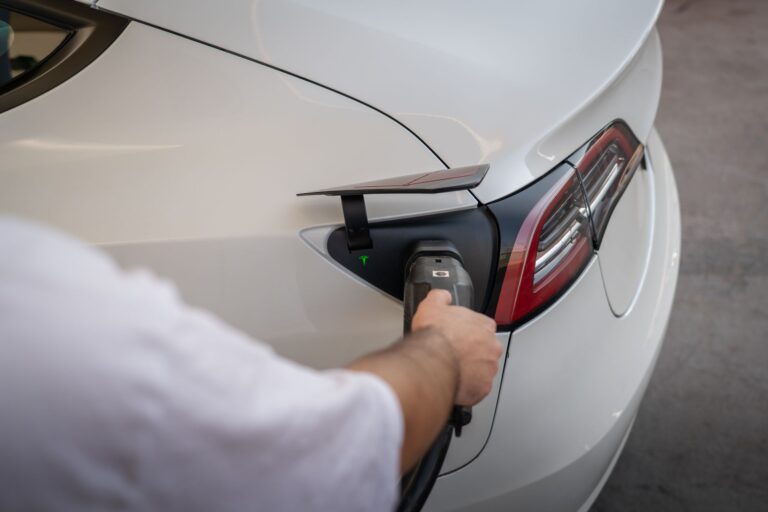
The electric engine has rapidly transformed from a futuristic dream into a mainstream reality. Brands like Tesla have played an instrumental role in elevating electric vehicles to a status of luxury and desirability. As consumers become more environmentally conscious, the demand for electric vehicles continues to soar. Norway serves as an exemplary model of this transition. With 89% of new car sales being electric last year, the country is on track to achieve 100% electric vehicle sales soon. This shift has been facilitated by government initiatives offering incentives to encourage the adoption of electric vehicles.
While electric vehicles dominate the consumer market, hydrogen fuel-cell technology emerges as a complementary force. This technology is particularly promising in sectors where electric engines fall short. Companies like Toyota and Hyundai are pioneering hydrogen technology. However, Toyota’s latest vehicle launch signifies a potential pivot from its hydrogen-centric focus. This development underscores the dynamic nature of the industry’s approach to achieving carbon neutrality.
New Vehicle From Toyota, It Isn’t Hydrogen
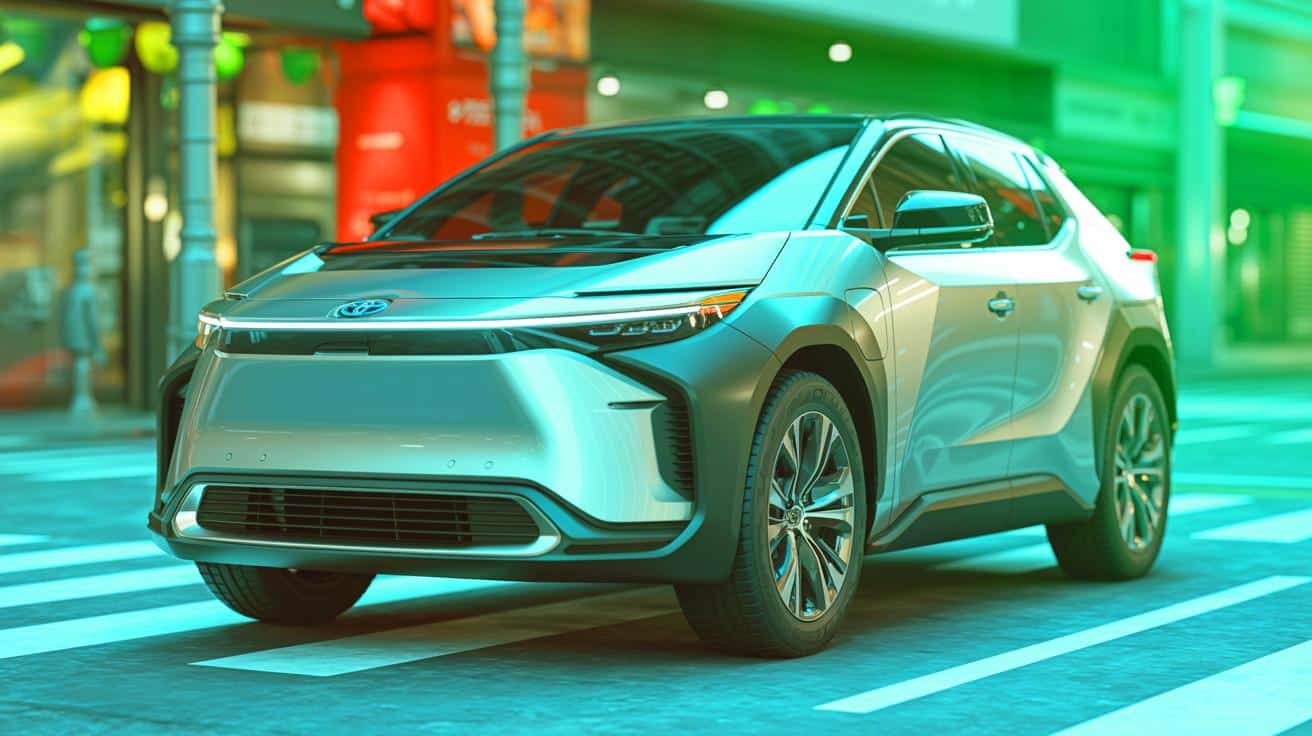
Toyota’s reputation as a leader in hydrogen fuel-cell technology is well-established. Yet, the company is not sidelining electric vehicle innovation. Recently, Toyota unveiled plans for the 2026 bZ model, an electric SUV poised to succeed the bZ4X. This upcoming model boasts a 338 horsepower output, underscoring Toyota’s commitment to electric vehicle advancement.
The “bZ” acronym stands for “Beyond Zero,” reflecting Toyota’s vision for a carbon-neutral future. The company is actively pursuing multiple pathways to sustainability, as evidenced by its recent initiatives advocating for a hydrogen-powered society. Furthermore, the Toyota Highlander EV is slated for a 2027 release, with production set to occur at Toyota’s Kentucky facility. These developments highlight Toyota’s dual focus on electric and hydrogen technologies as part of its broader sustainability strategy.
Toyota Unveils New Components for Its Fan-Favorite Four-Cylinder Engine
Toyota Continues to Prioritize a Collaborative Approach
Toyota’s success in fostering sustainability extends beyond its technological innovations. The company’s strategy emphasizes collaboration over competition, a principle underscored by its partnerships with other industry players. Toyota’s Chief Engineer of Advanced Mobility, Jay Sackett, articulated this approach, highlighting the importance of industry standards over competitive advantage:
“We are collaborating with companies that would traditionally have been our competition to develop standards for hydrogen fueling connections and protocols, recognizing that an industry standard was of greater benefit than our own competitive advantage,” said Jay Sackett, according to a Toyota press release.
https://leftlanenews.com/toyota-land-cruiser-rav4-electric/701/
This cooperative ethos enables Toyota to pool resources and knowledge, accelerating progress toward carbon neutrality. Notably, Toyota has partnered with BMW to assist in launching the German automaker’s first hydrogen-powered vehicle by 2028. Such alliances illustrate Toyota’s commitment to a collective approach in addressing environmental challenges.
Challenges and Opportunities Ahead
As Toyota navigates its dual focus on electric and hydrogen technologies, the company faces both challenges and opportunities. The transition to sustainable energy solutions is fraught with technical, economic, and logistical hurdles. However, Toyota’s collaborative strategy and commitment to innovation position it well to overcome these challenges.
The global automotive industry is at a critical juncture, with companies striving to balance environmental responsibility and consumer demand. Toyota’s actions reflect a broader industry trend toward sustainable practices. Yet, the path forward remains complex, requiring ongoing investment, cooperation, and innovation. As Toyota and its peers advance in this journey, the question remains: How will the automotive industry continue to evolve in response to the climate crisis?
As the automobile industry continues its journey toward carbon neutrality, Toyota’s strategic shifts raise important questions about the future of sustainable transportation. With electric and hydrogen technologies at the forefront, the company exemplifies the industry’s broader efforts to adapt to environmental imperatives. However, as Toyota and other automakers navigate this transformative period, the ultimate question persists: What will be the defining technology that leads the world to a sustainable automotive future?