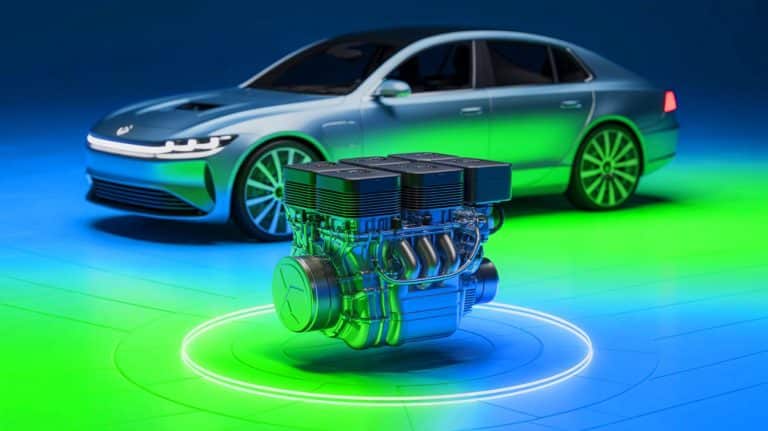



“Toyota’s Hydrogen Engine That Breathes Out Water”: Japan’s Auto Giant Unveils a Zero-Emission Powerhouse Set to Challenge the Electric Vehicle Revolution
 By
Graham Pettigrew
By
Graham Pettigrew
| IN A NUTSHELL |
|
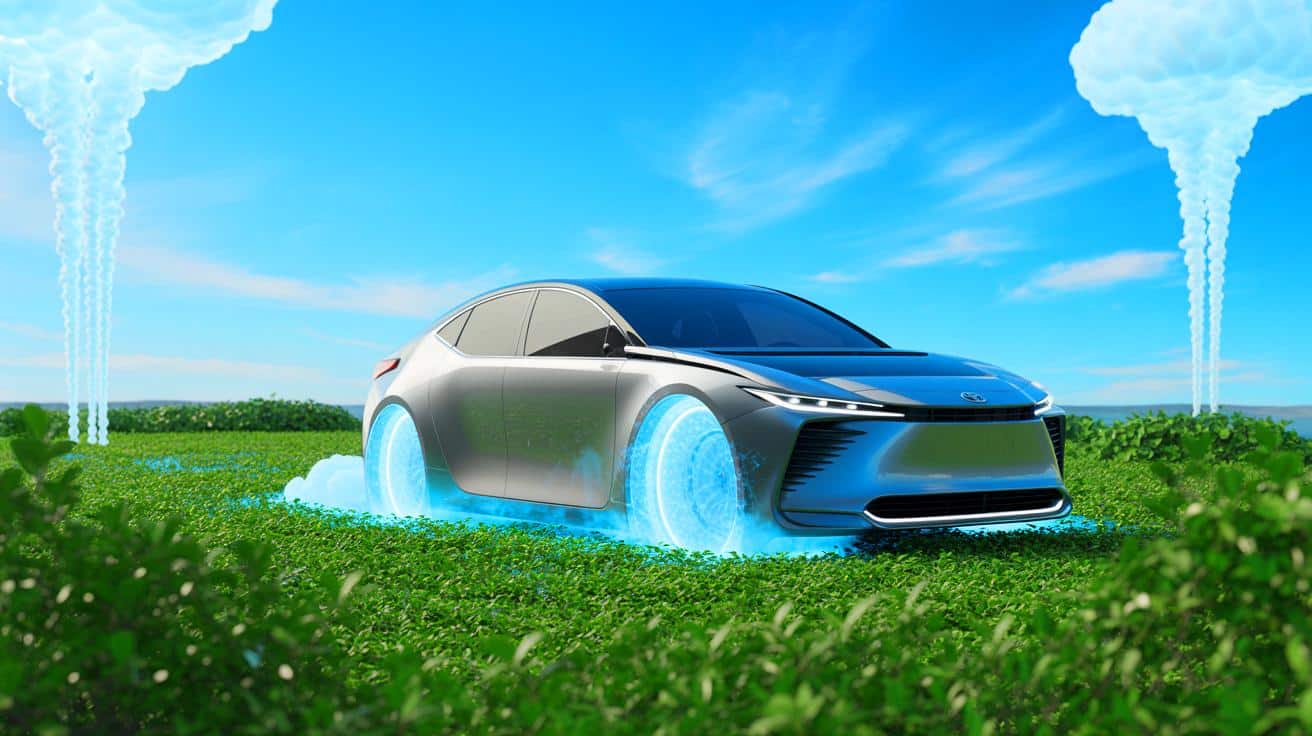
The world of automotive engineering has been revolutionized by a groundbreaking development from Japan’s Toyota. The company has introduced a combustion engine that produces zero emissions, releasing only water vapor. This innovation challenges the dominance of electric vehicles (EVs) and plug-in hybrid electric vehicles (PHEVs) by offering a sustainable alternative. With this new technology, Toyota aims to redefine the future of the automotive industry, providing a glimpse into a cleaner and more efficient mode of transportation. As the first prototypes emerge, the potential implications for the global auto market are profound.
Toyota’s Revolutionary Hydrogen Combustion Engines
In its pursuit of sustainable transportation, Toyota has unveiled a new generation of engines that utilize hydrogen as a fuel source. These hydrogen combustion engines mark a significant advancement in automotive technology, offering an alternative to traditional gasoline engines. By replacing gasoline with hydrogen, these engines eliminate harmful emissions, addressing a major environmental concern. The engines are designed to achieve a thermal efficiency of up to 45%, a figure comparable to the best diesel engines, making them an attractive option for various vehicle applications.
Hydrogen combustion engines can deliver impressive performance, with outputs reaching up to 400 horsepower. This level of performance is on par with many piston Atkinson cycle gasoline engines, demonstrating that environmentally friendly technology need not compromise power or efficiency. Toyota’s commitment to this technology reflects its dedication to reducing the environmental impact of its vehicles while maintaining high performance standards.
Japan’s Vision for the Future of Combustion Engines
Toyota’s hydrogen combustion engines represent a significant step toward environmental sustainability. Unlike traditional internal combustion engines that emit greenhouse gases, these engines release only clean water vapor. This aligns with Toyota’s long-term vision of reducing vehicle emissions and contributing to the fight against global warming. The company has invested heavily in research and innovation to develop these engines, leveraging its expertise in fuel cell technology.
Although Toyota has not specified a launch date for these engines, it is clear that the company intends to apply hydrogen combustion technology across a range of vehicles, including passenger cars and trucks. This move underscores Toyota’s commitment to leading the automotive industry towards a more sustainable future. The deployment of hydrogen combustion engines could serve as a catalyst for broader adoption of hydrogen as a viable fuel source in the transportation sector.
Volkswagen Unleashes Its Own Epic Gymkhana Video: A Thrilling Ride!
The Implications for EVs and PHEVs
The introduction of Toyota’s hydrogen combustion engines could have far-reaching implications for the automotive industry. As these engines gain traction, they may challenge the prevalence of EVs and PHEVs by offering a cleaner alternative that maintains traditional combustion engine performance. This could signal a shift in the industry’s trajectory, steering it toward a sustainable transportation environment that reduces reliance on fossil fuels.
The ongoing development of hydrogen combustion technology may accelerate the acceptance of hydrogen as a fuel source. This evolution could ultimately lead to the phasing out of fossil-based energy sources in vehicle powertrains. While the future remains uncertain, the initial designs and concepts emerging from Japan are promising, suggesting a potential transformation in how we approach vehicle propulsion.
Toyota Set to Electrify with New Land Cruiser and RAV4 Electric Vehicles
Exploring Alternative Fuels
While hydrogen combustion engines are a significant focus for Toyota, other alternative fuels are also being explored. Methanol, ammonia, nitrogen, and even compressed air are potential candidates for fueling vehicles in a more sustainable manner. Each of these options presents unique benefits and challenges, and ongoing research is crucial to fully understand their potential impact on the automotive industry.
As the industry continues to innovate, the exploration of alternative fuels, alongside advancements in hydrogen technology, will play a critical role in shaping the future of transportation. Toyota’s efforts in this area highlight the importance of diversifying fuel sources to achieve a more sustainable and environmentally friendly automotive landscape.
As the automotive industry stands on the brink of a new era, Toyota’s hydrogen combustion engines offer a glimpse of what the future might hold. This innovation poses a challenge to the current dominance of electric vehicles, presenting an alternative path toward sustainability. How will these advancements influence consumer choices and the broader industry landscape in the years to come?
Continue reading