


GM’s Corvette Oil-Leak Fix Replaces Two Seals, Not the LS6 Engine
The potential LS6 V-8 leak can produce bubbling near the oil-cooler adapter. GM’s service bulletin identifies two possible seal repairs and a key installation requirement.
 By
Renée Castellano
By
Renée Castellano
GM has prescribed a seal replacement for oil leaks that may affect some 2027 Chevrolet Corvettes equipped with the new 6.7-liter LS6 V-8.
The condition does not apply to every 2027 Corvette, and the number of affected vehicles has not been specified. Its scope is tied to the LS6, which is installed in the 2027 Corvette Stingray, Grand Sport, and Grand Sport X. Those are the three models covered by the reported engine condition.
GM’s response comes through service bulletin PIP6132. According to Car and Driver’s report on the LS6 oil leak, a limited number of engines may be affected. The report does not specify how many examples of the three Corvette variants require work, so having the 6.7-liter engine places a vehicle within the bulletin’s scope but does not confirm that it has a leak.
The issue adds a service consideration to Chevrolet’s 2027 model-year changes. Other new vehicles arriving for that model year emphasize different hardware, including the low-range gearing and underbody protection fitted to the 2027 Jeep Cherokee Trailhawk. In the Corvette’s case, the relevant hardware is a sealing interface on the LS6 and the service procedure GM has issued for it.
Where the LS6 leak can appear
The possible escape point is the joint between the oil pan and the oil-cooler adapter. That location matters when identifying the condition because oil beneath a vehicle can originate from more than one area. An inspection must trace the oil to the adapter and oil-pan interface addressed by PIP6132 rather than treating any fluid beneath the car as confirmation of this specific problem.
There is also a visible symptom while the engine is operating. Carscoops’ coverage of the Corvette service bulletin says that bubbling may be visible around the oil-cooler adapter while the engine runs. That observation can help a technician locate the source instead of relying only on oil found beneath the vehicle.
The distinction is practical for an owner. A 2027 Stingray, Grand Sport, or Grand Sport X with the LS6 falls within the bulletin’s model and engine scope, but it is not automatically affected. The relevant signs are oil originating around the specified joint and possible bubbling at the adapter during operation. The reports do not characterize the condition as a safety hazard or show that every LS6 will develop it.
Oil beneath an eligible Corvette is therefore a reason for inspection, not proof that PIP6132 applies. The engine, model year, and source of the leak all matter. A technician still needs to identify the point from which the oil is escaping before selecting the repair path described in the bulletin.
PIP6132 defines two possible seal repairs
PIP6132 is a service bulletin rather than a recall. It gives service technicians a defined procedure to use when they encounter this particular oil-leak condition. The bulletin communicates diagnostic and repair guidance to service departments, but it does not mean every covered vehicle is being recalled for mandatory work.

The prescribed repair targets sealing components at the joint. Depending on the location identified during inspection, technicians are directed to replace either two oil-pan high-pressure port seals or two oil-cooler adapter seals. In both cases, the remedy addresses the interface between the oil pan and adapter rather than requiring replacement of the entire LS6 engine.
That makes correct diagnosis important. The bulletin provides two seal-replacement paths at the same general assembly, and the appropriate one depends on where the leak is found. It is not a general instruction to replace all four seals or to perform the procedure on every Corvette carrying the engine.
The distinction between a bulletin and a recall also sets expectations for owners. PIP6132 equips a service department to respond when it encounters the condition. It does not, by itself, establish that every Stingray, Grand Sport, and Grand Sport X with the LS6 must undergo the procedure.
The document is technician-facing, so it is not a do-it-yourself maintenance guide. The available details describe GM’s service procedure, but they do not establish who pays for a repair in every ownership or warranty situation. An owner who sees oil under an LS6-equipped Corvette can report the symptom and identify PIP6132 when arranging an inspection with a Chevrolet service department.
Even bolt tightening is essential to the procedure
Replacing the seals is only one part of the prescribed work. Reinstallation of the oil-cooler adapter must preserve even clamping across its sealing surface. GM’s guidance says the adapter’s four bolts must be tightened uniformly and in the correct sequence.
This detail affects how the replacement seals are compressed. If one part of the adapter is drawn down ahead of the others, the joint can be loaded unevenly. The prescribed approach instead calls for controlled, sequential tightening across all four fasteners. That requirement is part of the repair procedure rather than an optional workshop preference.
The bolt instruction also explains why identifying a seemingly limited leak does not reduce the job to swapping two seals. The adapter must be reinstalled in a way that applies pressure evenly across the joint. GM’s procedure connects the replacement components with the method used to secure the assembly afterward.
For owners, the useful distinction is between recognizing the symptom and carrying out the repair. Oil around the oil-pan and cooler-adapter joint, particularly with bubbling visible while the LS6 is running, matches the condition described in PIP6132. Replacing the specified pair of seals and tightening the adapter bolts in order are service operations intended for technicians.
The bulletin gives GM service departments a defined response to this potential leak. Its scope remains specific: certain LS6-equipped 2027 Corvettes may leak at the oil-pan and oil-cooler-adapter interface, and technicians have two seal-replacement paths depending on the identified location. The number of affected vehicles remains unspecified, so the bulletin’s coverage should not be mistaken for evidence that every Stingray, Grand Sport, or Grand Sport X fitted with the 6.7-liter V-8 has the problem.
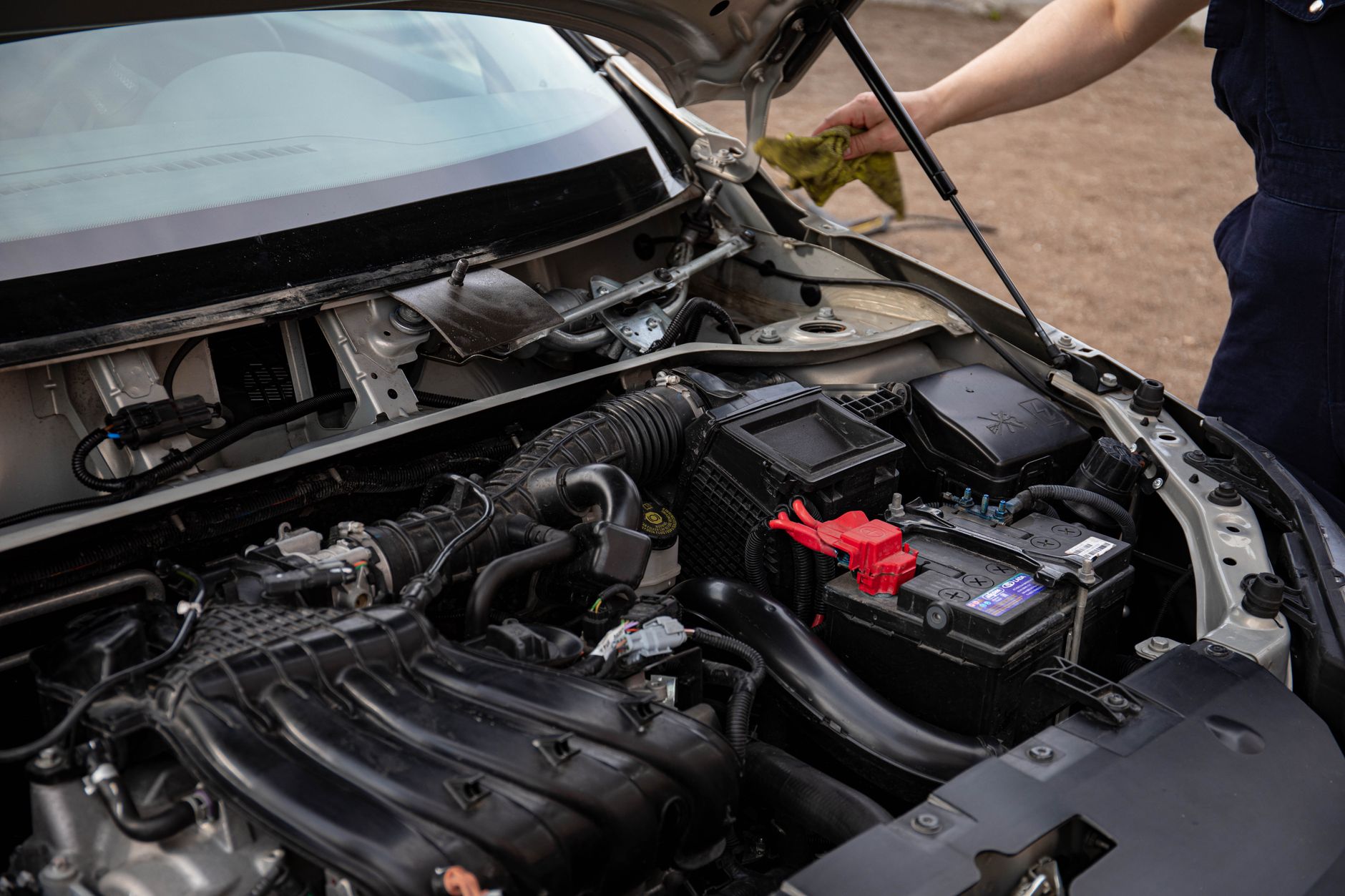
Featured image. Source: Pexels. Credit: Sergey Meshkov. License: Pexels License.
Continue reading