

How artificial intelligence is revolutionizing future cars
 By
Renée Castellano
By
Renée Castellano
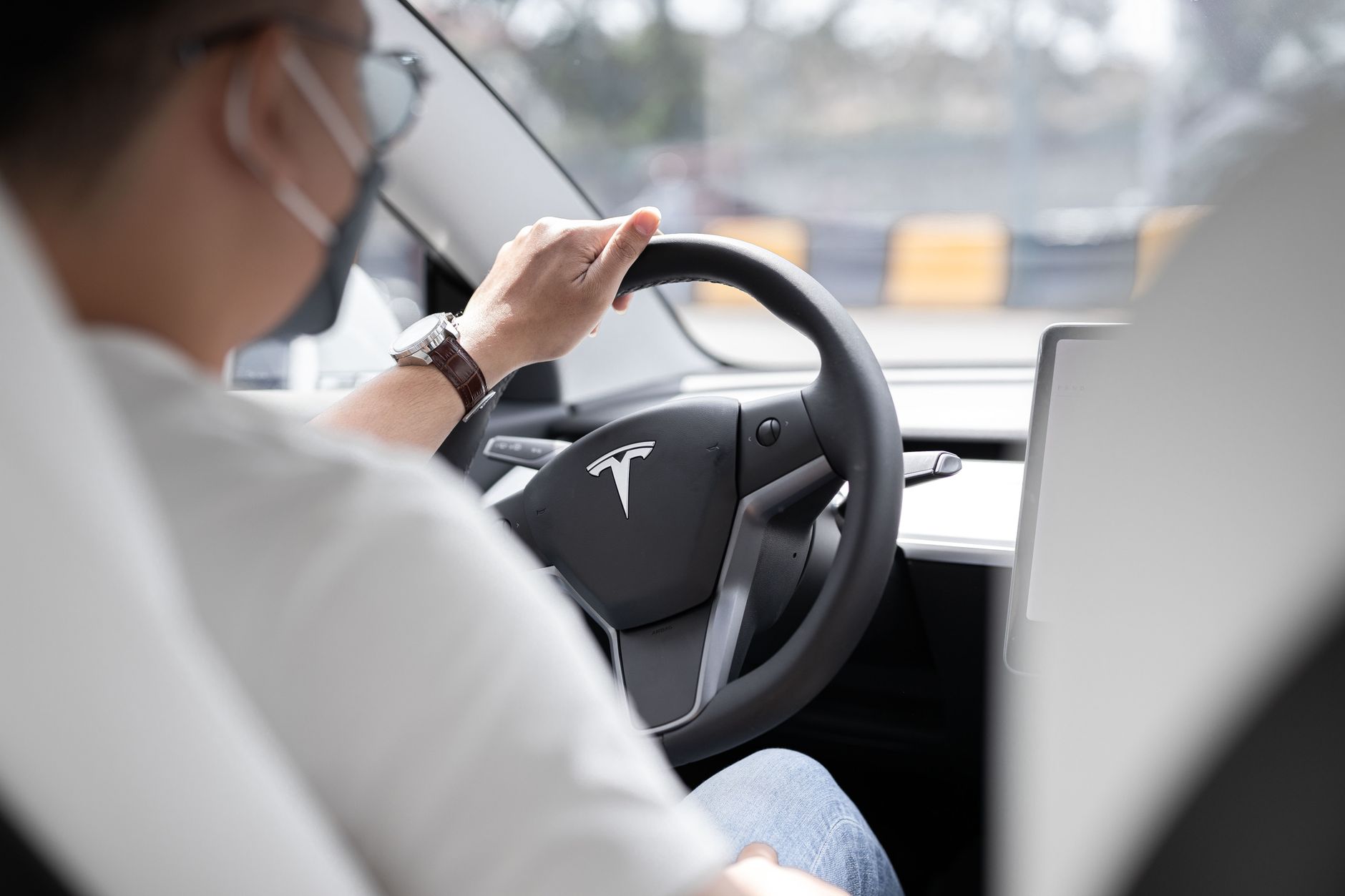
The automotive world is racing into a new era, propelled by artificial intelligence and its promise to reshape how we build, buy, and experience cars. In city streets and on highways, vehicles embedded with advanced AI systems are already quietly learning from every mile. Leading automakers and tech giants (like Tesla, Waymo, Apple, Google, and Nvidia) are transforming not only driving but what cars represent: mobility companions, safety guardians, and customizable digital hubs. The road ahead stretches into territory unimaginable just a decade ago, where algorithms and sensors collaborate as seamlessly as pistons once did. This technological leap is not just about autonomy or efficiency; it’s about redefining the driver’s role and crafting vehicles that adapt continually to our needs, learning from data, and turning each journey into an intelligent experience. As investments accelerate and new AI breakthroughs roll off assembly lines, the future of travel is shifting faster than ever.
The Transformation of Car Manufacturing and Automation with AI
A few years back, assembly lines echoed with the rhythm of human hands and simple machines. Now, when you step into a modern BMW or Ford factory, you witness intelligent robots, powered by AI, coordinating every movement with exquisite precision. Mercedes-Benz, for instance, has refashioned its production lines using Nvidia’s AI-driven visual analytics, drastically lowering error rates and elevating quality standards. Through technologies like computer vision and machine learning, even the logistics (inventory flows, timing of deliveries, and spare part management) coordinate themselves, drawing from mountains of sensor data.
This relentless automation is fundamentally altering the industry’s DNA. Issues that once halted factories (unexpected shortages or quality control lapses) are now anticipated in real time. Supply systems leverage predictive analytics to keep parts flowing and waste reduction high. For more insights on the ripple effects of such innovations, see how future cars are evolving with AI. The ultimate result is a blend of speed and flexibility that marks a true revolution in car building, forever changing what we expect from our vehicles and their creators.
Impact of AI on Automotive Supply Chains
Imagine a supply chain where machines and human managers anticipate delays before they happen. That’s the new normal for giants like Volkswagen and Aptiv. Using AI to sift through real-time shipping, demand, and inventory data, managers now redesign delivery routes or adjust supplier schedules on the fly. This ability to respond dynamically not only shields companies from costly disruptions but also ensures showrooms remain stocked with the latest models and parts.
| Brand | AI Application | Benefits |
|---|---|---|
| Tesla | Autonomous logistics & production analytics | Faster assembly, real-time issue detection |
| BMW | Computer vision for assembly lines | Quality control, fewer defects |
| Ford | Predictive parts ordering | Lower costs, reduced downtime |
| Mercedes-Benz | Nvidia-powered visual systems | Enhanced safety, lower rework rates |
How AI Is Driving the Era of Autonomous and Connected Vehicles
Standing at the threshold of driverless technology, brands like Waymo, Tesla, and Baidu are no longer talking about the future, they’re building it. The levels of autonomy, as defined by the SAE, reflect a dramatic spectrum: from simple cruise control to sophisticated systems that let vehicles navigate bustling city streets unaided. Companies such as Waymo are racing ahead in this field, orchestrating fleets of AI-driven taxis that respond to real-world traffic scenarios with calm, almost human-like judgment.
Breakthroughs in deep learning and advanced neural networks allow these driverless vehicles to process streams of visual data, identifying stop signs, reading the intentions of nearby vehicles, and responding to sudden obstacles. The journey toward full autonomy, detailed in this exploration of autonomous transportation, is paved with challenges and triumphs alike, as engineers and data scientists collaborate on smarter algorithms that learn from every trip. This is not simply a matter of convenience; autonomous cars promise to reshape commuting, logistics, and even urban design itself.
Rewriting Automotive Safety with AI
Safety, for both drivers and pedestrians, now hinges on the silent effectiveness of AI-powered sensors and decision systems. These technologies underpin so-called Advanced Driver Assistance Systems (ADAS), from Tesla’s autopilot lane-keeping to Mercedes-Benz’s emergency brake features. Studies indicate that as these AI tools become more widespread, traffic fatalities could plummet, offering a future where roads feel dramatically less perilous for everyone.
The potential stakes are enormous: systems that anticipate collisions, diagnose mechanical issues before they escalate, and even contact emergency services autonomously. Early adopters see their accident rates drop, a testament to the promise AI holds for personal and public safety.
| Feature | AI Contribution | Safety Improvement |
|---|---|---|
| Lane keeping | Camera & sensor fusion | Reduces lane departure accidents |
| Predictive diagnostics | Machine learning anomaly alerts | Prevents breakdowns, keeps vehicles on the road |
| Emergency braking | Object recognition in real time | Minimizes rear-end collisions |
Personalizing the In-Car Experience through Artificial Intelligence
Once, car interiors were merely functional. Today’s vehicles, designed by Apple and Google alike, use generative AI to morph dashboards into intuitive digital assistants. While driving a BMW on a rainy evening, imagine a voice interface that understands your mood, recommends an upbeat playlist, dims the lights, and warms your seat, all without a single button pressed. Natural language processing and powerful recommendation engines fuel this personalized, interactive environment, described in rich detail at this deep dive into smart car technology.
Beyond entertainment, these systems optimize routes based on your unique habits. They predict the best cafes for your morning coffee and even prepare climate controls en route, making every journey uniquely comfortable and efficient. This era of digital co-pilots signals a profound shift in how we connect with our cars and with the broader digital ecosystem that surrounds us.
The Role of AI in Eco-Friendly and Efficient Driving
The push toward sustainability has found a formidable ally in AI. Both legacy brands and disrupters use it to squeeze more range from batteries, optimize electric powertrains, and plan efficient journeys that save both energy and time. Innovations in battery management and eco-routing help drivers go further on a single charge, all while streamlining emissions.
For drivers comparing the latest models, tools like this electric car range guide are now essential. They underscore how AI, when paired with advances in battery chemistry and lightweight materials, is redefining what’s possible, bringing the dream of clean, efficient travel into reach.
Shifting Design: Generative AI and Additive Manufacturing in the Automotive World
Design labs across the globe now use deep learning and generative algorithms as creative partners. Apple and BMW harness AI to test myriad designs virtually, predicting aerodynamics and stress responses with astonishing speed. The world witnessed a turning point when Olli, the AI-designed, 3D-printed shuttle, hit public streets, an emblem of how swiftly the old paradigms are giving way to radical new methods.
This shift is especially apparent as recycled and composite materials, recommended by AI, appear more frequently in final products. Every gram saved, every efficiency gained, builds toward a more sustainable industry. Interested in how design trends are evolving? Explore the latest in car design innovation for a glimpse at what’s on the horizon.
From Data Privacy to Regulation: The Challenges of AI Adoption in Cars
Beneath the optimism, industry leaders such as Nvidia and Baidu grapple with data privacy and regulatory hurdles. As connected cars gather vast stores of user data, protecting it becomes paramount. At the same time, policymakers race to set safety standards and ethics guidelines for self-driving systems, a debate echoing on factory floors and in courtrooms alike.
Automakers and tech companies invest significantly in building trust: encrypting data, making privacy policies transparent, and involving users in consent decisions. Still, the landscape is fluid. For consumers hungry for clarity, resources like this summary of the future of cars help decode what’s coming next and who bears responsibility in this brave new world of intelligence on wheels.
| Company | Key AI Innovation | Main Challenge |
|---|---|---|
| Waymo | Driverless ride-hailing at scale | Urban regulatory approval |
| Apple | Seamless digital integration in vehicles | User data protection |
| Mapping and AI navigation | Safety validation | |
| Nvidia | AI-powered vision and chipsets | Hardware consistency |
| Baidu | Local autonomous driving for Chinese cities | Complexity of urban scenarios |
Frequently Asked Questions
How is AI changing car safety in 2025?
AI now powers advanced safety systems like adaptive cruise control, automated lane keeping, and predictive diagnostics, making vehicles actively prevent accidents and anticipate mechanical failures. Companies such as Tesla and Mercedes-Benz have set new safety benchmarks by incorporating AI into their entire vehicle lineups.
What are the biggest challenges for autonomous cars today?
The main hurdles lie in regulatory acceptance, data privacy, and resolving rare but critical edge-case scenarios. Ensuring both transparency and trust in AI’s decision-making remains paramount for brands like Waymo and Baidu.
Which companies are leading AI integration in cars?
Tesla, Waymo, Apple, Google, Nvidia, Baidu, Aptiv, BMW, Mercedes-Benz, and Ford are all at the forefront, pushing innovations that range from autonomous driving to in-car virtual assistants.
How is AI making cars more eco-friendly?
By optimizing battery management, predicting maintenance, and refining powertrain efficiencies, AI enables electric vehicles to extend range and reduce emissions, key steps toward a sustainable future. See more on this evolution at future eco-friendly car innovations.
Where can I learn about the latest smart car technology?
For an in-depth look at current and upcoming smart car features, ranging from AI-powered navigation to personalized infotainment, explore advancements in 2025 car technology.
Continue reading