

Smart car technology: what future models will offer
 By
Renée Castellano
By
Renée Castellano
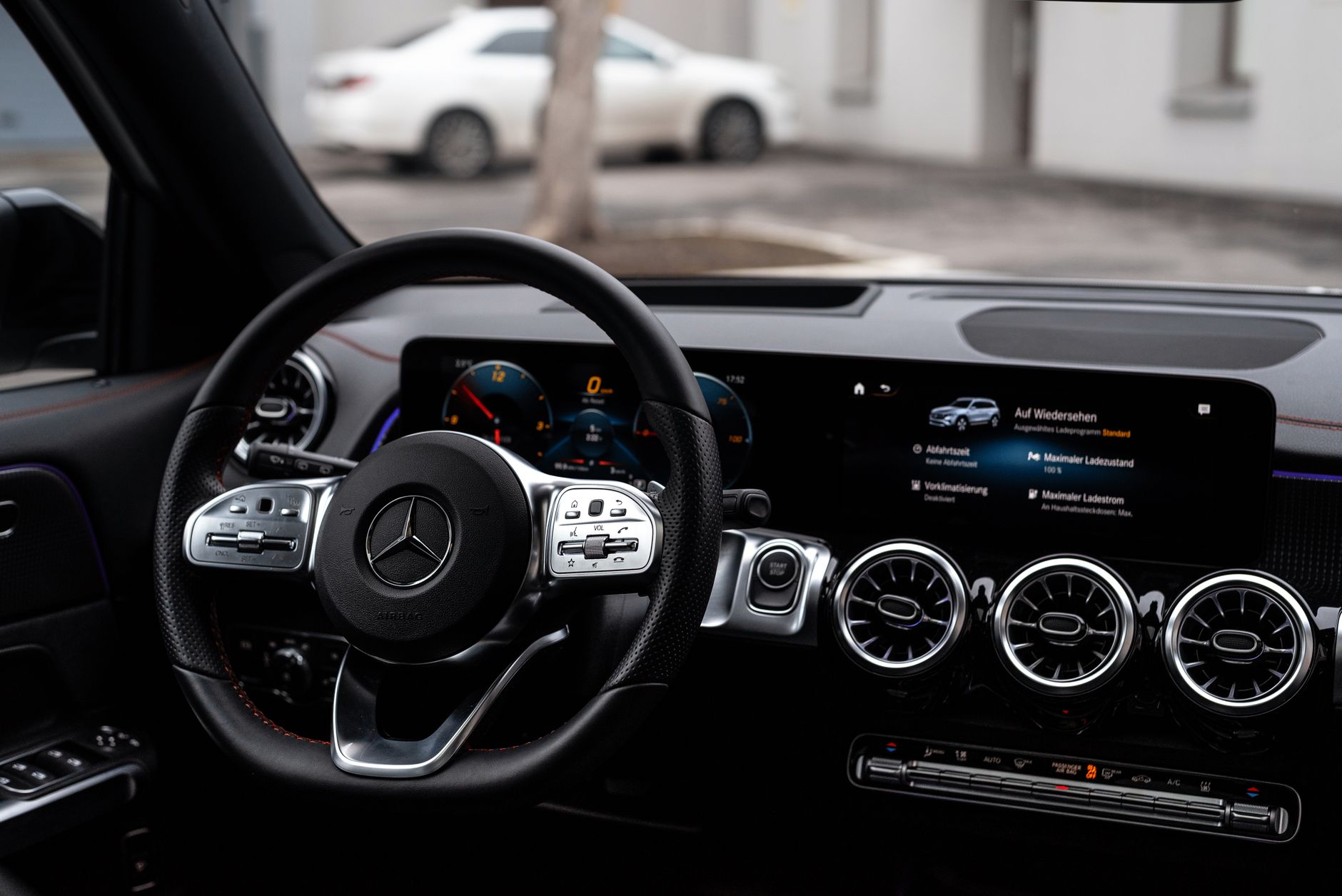
In 2025, the hum of city life is set to change forever, orchestrated by a new breed of vehicles that think, sense, and act. Smart car technology is stepping beyond science fiction, weaving AI, connectivity, and automation into the very fabric of daily travel. Industry giants (Tesla, BMW, Mercedes-Benz, and Audi) find themselves side by side with innovative disruptors like NIO and ambitious visions from Apple Car. From Silicon Valley to Munich, smart cars are redefining how people commute, shop, and explore, promising a future where safety, efficiency, and green mobility coexist. An elderly couple in Dubai finds their Ford navigating seamlessly through rush hour, while a family across town follows their Volkswagen’s reminders for optimized battery life. These everyday stories, powered by relentless advances in automotive intelligence, hint at a transformative leap, a leap you’ll discover on the journey ahead.
Understanding Smart Car Features and Autonomous Technology
Inside every smart car lurks a complex symphony of sensors (LiDAR, radar, high-definition cameras) all orchestrated by robust artificial intelligence. While early models offered simple driver assistance, today’s vehicles interpret, decide, and act in real time. Levels of autonomy now range from basic support to full independence, where a Waymo or Tesla can negotiate city streets without human oversight. Manufacturers like BMW and Hyundai focus on sophisticated safety measures: advanced redundancy systems double-check every decision, ensuring peace of mind. At the heart, AI and machine learning digest mountains of data, learning from each curve and crossroad. For owners, the result is more than automation, it’s confidence built on thousands of invisible calculations, reducing risks and enabling journeys that would have been unthinkable a decade ago.
Connectivity and Interaction: The New Language of Cars
Sophistication isn’t limited to movement; the way smart cars connect sets new standards for interaction. Each vehicle is plugged into the digital world, exchanging information with traffic lights, roadside beacons, and even personal smart devices. The Apple Car, for instance, has redefined in-car environments, blending infotainment, navigation, and vehicle management with cloud-based updates. On the road, Audi and Mercedes-Benz leverage real-time data to adjust routes, balance passenger comfort, and anticipate hazards. Alexa-like voice commands trigger everything from climate settings to finding the nearest EV charger. This mesh of connectivity means drivers and vehicles remain in sync, adapting to changing needs and circumstances, no matter the journey’s purpose.
| Feature | Brands Leading Innovation | Real-World Usage |
|---|---|---|
| Partial Autonomy (Level 2-3) | Tesla, BMW, Ford | Self-parking, adaptive cruise in highway traffic |
| V2X Connectivity | Volkswagen, Audi, NIO | Real-time data exchange with infrastructure |
| Smart Infotainment/Voice Control | Apple Car, Mercedes-Benz | Seamless user interface, voice-activated functions |
| Electric Powertrain/Efficiency | Hyundai, Tesla, NIO | Longer range, faster charging, energy savings |
Advanced Navigation, Safety, and Eco-Friendly Innovations in 2025
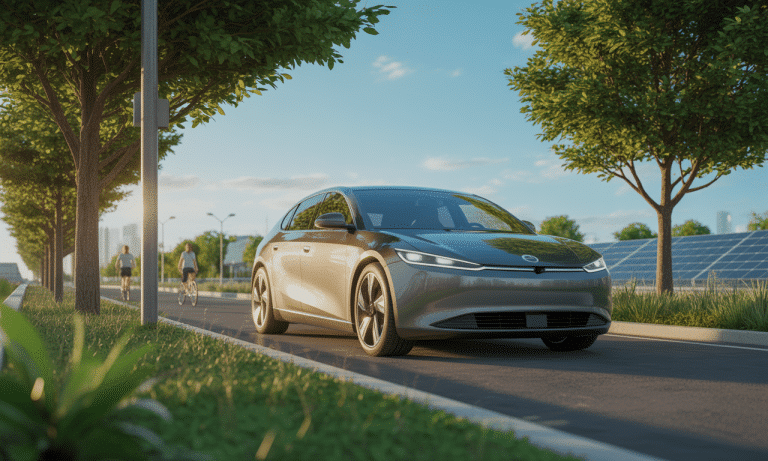
The smart car of tomorrow navigates not just with GPS, but with an interlaced network of maps, real-time traffic feeds, and predictive analytics. Ford and Volkswagen now embed safety at every turn: emergency braking, collision avoidance, and fatigue monitoring act as vigilant guardians. These vehicles’ eco-friendly evolution is equally striking, electric and hybrid variants have become the standard, not the exception. The push for sustainability meets practicality in energy management: range optimization and swift charging are as important as comfort. The journey’s duration matters less when advanced navigation and safety transform the experience into one of anticipation, rather than anxiety.
Urban Mobility and Everyday Impact: Stories from the Road
Meet Ranya, a young professional in Riyadh who lets her NIO shuttle her from home to office, updating her on work emails en route. Or Ahmed, who turns to an Audi for seamless city commuting, enjoying predictive routing that dodges gridlocks. These aren’t isolated feats; throughout global megacities, smart cars are shrinking commute times and offering solutions to environmental pressures. Their integration with shared mobility networks allows for autonomous ride-hailing and delivery, reshaping city landscapes. The ripple effect? Not only less pollution but greater access, as families and individuals previously sidelined by old mobility models find new freedom on the road.
| Benefit | Example | Resource |
|---|---|---|
| Long Electric Range | Hyundai, Tesla with over 600km per charge | Maximize Electric Car Range |
| Eco-Friendly City Travel | Volkswagen’s electric shuttles | Electric Cars City Commuting |
| Affordable Innovation | Wider adoption of Ford EVs | Innovations Future Cars |
| Automated Maintenance Alerts | BMW & Apple Car smart diagnostics | Engine Maintenance Tips |
| Personalized In-Car Environments | Mercedes-Benz mood settings | Future Cars 2025 |
Challenges and Future Developments Shaping Smart Cars
The golden road to autonomy is not without its bumps. Legal frameworks, ethical dilemmas (like how an autonomous BMW or Tesla should act in unavoidable accidents) linger as complex issues. Meanwhile, rapid advances in technology demand continuous learning and adaptation. Companies like Mercedes-Benz and Audi invest heavily in robust engine inspection protocols and efficiency improvements, ensuring that smart systems deliver as promised. As interconnected vehicles become the norm, protection against digital threats is paramount. Yet, even as regulation tries to catch up, the horizon glows with possibility, new AI breakthroughs, smarter batteries, and even greater personalization. No one knows exactly where the next leap will come from, but those willing to bet on innovation will undoubtedly shape the traffic and transport of tomorrow.
Sustainable Technologies and the Green Shift in Transportation
Tomorrow’s eco-revolution is already rolling down today’s streets. Ford and NIO’s latest electric vehicles exemplify how engine design trends and battery advancements unlock not only efficiency, but a cleaner footprint. Smart cars are designed with lifecycle sustainability in mind, from recycled materials in interiors to software updates that extend functional lifespan. Owners are discovering that while upfront investment may be higher, savings in fuel, emissions, and maintenance quickly accumulate. The shift is visible: charging stations dot city maps, and drivers learn to maximize mileage with tools like road trip tips for electric models and strategies to manage electricity bills. Where once the gasoline engine ruled, digital and electric innovation have seized the wheel.
Questions about Smart Car Technology and Ownership
Are smart cars safe for families?
Today’s smart cars, from Audi to BMW, integrate collision detection, lane keep assist, and advanced airbag technology. These systems work seamlessly to protect everyone inside, making them among the safest choices for families on the market.
Is the cost of owning a smart car justified long term?
Initial prices may seem steep, with models from Tesla or Apple Car positioned as premium. However, reduced fuel costs, lower maintenance requirements, and constant software refinement make ownership increasingly economical, even more so as technologies mature and scale.
How do smart cars contribute to environmental goals?
By prioritizing electric and hybrid drivetrains, models by Hyundai, Ford, and NIO have drastically lowered emissions. Their adoption directly supports the shift to cleaner urban air and reduced dependence on fossil fuels.
Do any current models offer full self-driving?
Most 2025 models, including those from Waymo and Tesla, provide advanced lane and parking autonomy, but universally hands-off, fully self-driving vehicles remain in limited deployment or testing, subject to evolving regulation.
What about ongoing smart car maintenance?
Smart cars typically require less regular upkeep than old combustion models. Software updates keep them feature-rich, while basic checks (often automated) on battery health and hardware ensure continued smooth performance. For detailed advice, see the full guide to car engine basics and extending lifespan.
Continue reading